Live, From the New Met Breuer!

This site is Free & Ad-Free! If you find this piece worthwhile, please donate via PayPal to support it & independent Art writing. You can also support it by buying Art & books! Details at the end. Thank you.

Written & Photographed by Kenn Sava

It doesn’t officially open till March 18 but being The Met (TM) “regular” that I am, of course they let me in 10 days early. I wish. Actually, they’re letting Members in early, starting today March 8. I still feel special.

I can report the layout is unchanged, so muscle memory from visiting this place when it was the Whitney Museum still works just fine. Ah, the Breuer Whitney Museum. I was involved in the debate surrounding it’s proposed expansion/modification way back in 1987, but I’m saving that tale for my upcoming post about the “New” Whitney Museum, almost a year in the making. Stay tuned. In the meantime…

Think about this for a minute.

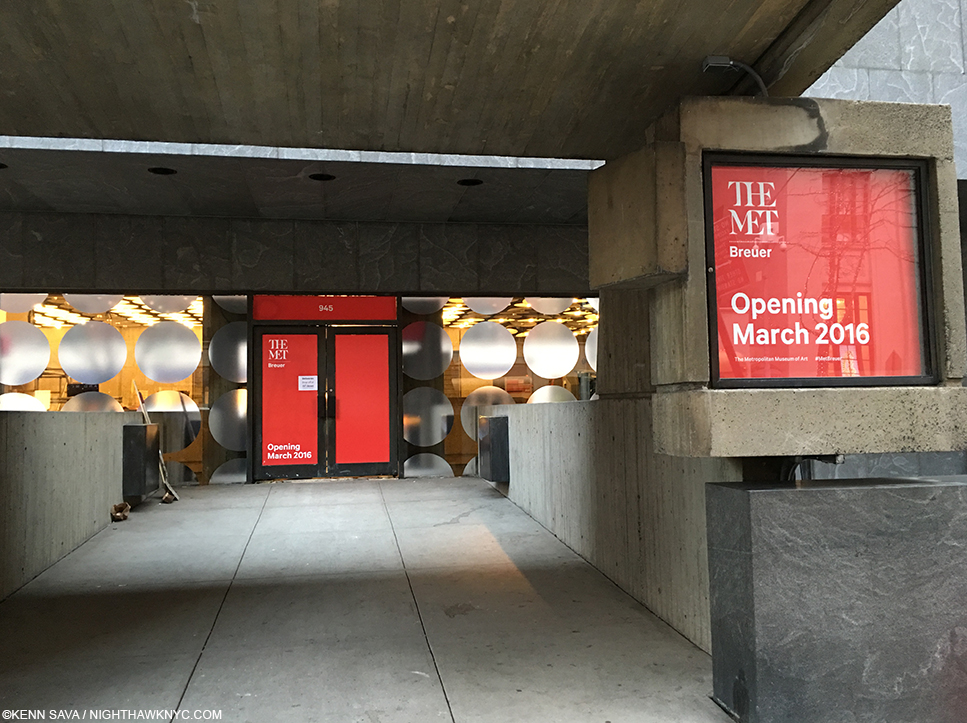
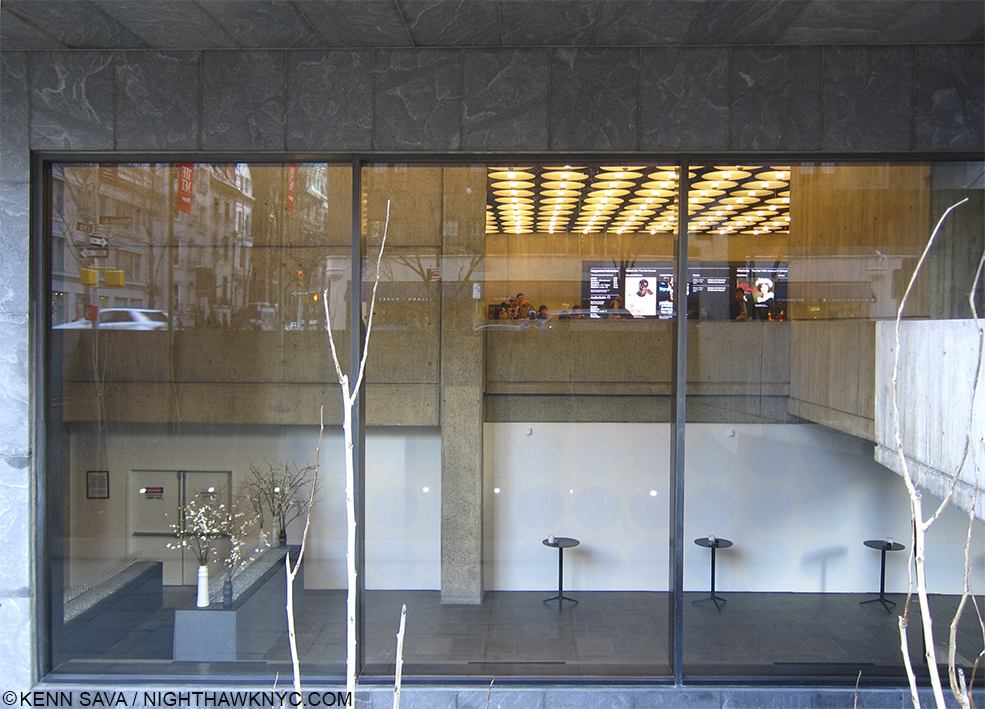
The Met announced it would take over the Breuer Building as it’s “outpost” for Modern & Contemporary Art in 2011. Seen here on December 18, 2015. I was told that the silver circles on the windows were meant to echo the lighting of the lobby inside.

This place was the entire Whitney Museum until a year and a half ago 1. The Met already runs the biggest Museum in the country at 1000 Fifth Avenue, AND The Cloisters way uptown. Now that the Whitney has moved downtown, TM has taken over the building, which is now known as The Met Breuer (TMB). By itself, TMB is as big as the Dallas Museum. To be operating 1000 5th Ave, the Cloisters and now to open a new, additional location of that size, a few blocks from 1000 5th, I find to be a “WOW!” moment.

They seemed to get it up and open pretty quickly (judging from how it looked when I passed by in December).

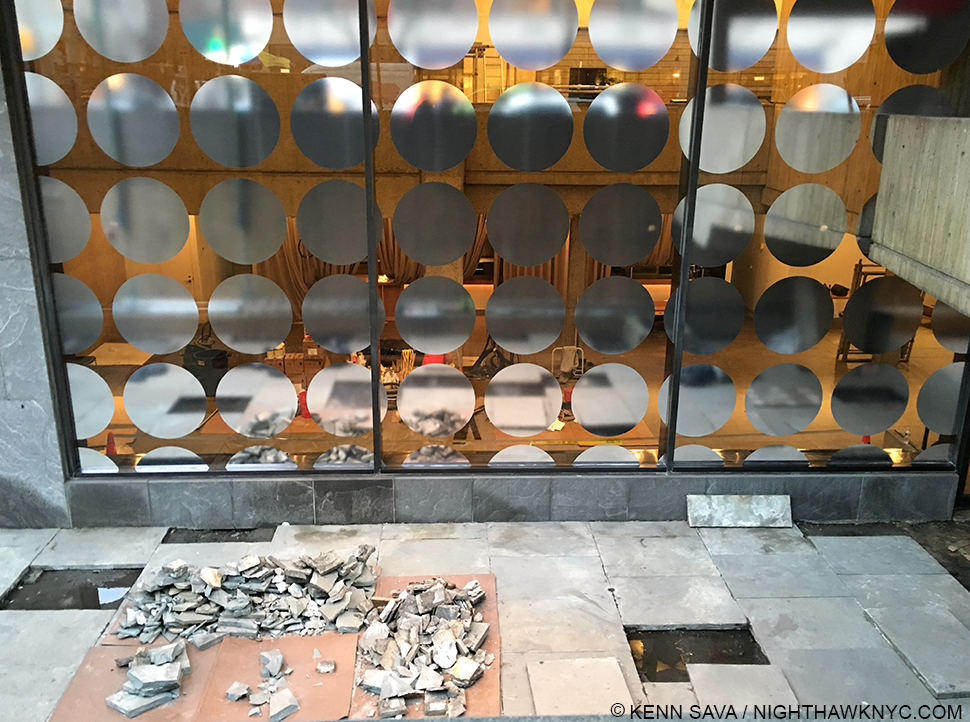
December 18, 2015. I was told the “Circle” Motif is a take off on the lobby’s ceiling lights. See next.

The same window. Member’s Preview Opening Day, March 8, 2016.

So? What’s new? What’s old? What’s borrowed? What’s blue?

Actually, nuptial euphemisms are not out of place here, since The Met & The Breuer building are “married” for at least the next 8 years, with an option to extend, which is longer than most marriages last between people, while TM’s contemporary galleries are undergoing complete renovations that will take a few years. I fully expect they will turn out to be as exemplary as the American & Roman Wings have. Though the layout of TMB made it instantly “familiar,” my first visit was not without some major surprises.

Members Only. It won’t look like this for long. Only 1 street vendor apparently got the word.

Apparently, I didn’t get the word, either. Since the contemporary galleries are those closing I was expecting ALL of TMB to be contemporary Art. Nope. 2 Floors are devoted to a superb show, Unfinished: Thoughts Left Visible featuring such well known “contemporary” artists as Rembrandt, Cezanne, Picasso, Van Eyck, Durer and Titian.

?

Apparently, TMB will be a “satellite” featuring Special Exhibitions AND contemporary Art. Hmmm… To say I’m surprised by this and why they’d do it is an understatement. Well? Unfinished is a VERY large show that handsomly fills Floors 3 & 4. Perhaps they see the Shows as the draw for getting a large number of people into the building, while they “also” display contemporary Art? There is a show, which I haven’t seen yet, by contemporary Indian artist Nasreen Mohamedi (1937-1990), but no display of works from the permanent collection of contemporary Art, at least to begin with. A cafe & bookstore will be on the top floor, which wasn’t open today. So? Three full floors can be devoted to shows, the small lobby gallery featured a live performance by Vijay Iyer and his trio today, which was well attended and sounded good throughout the adjacent lobby.

“Wake Up over there on the right!” It’s MacArthur “genius” grant recipient, Vijay Iyer, left on piano, performing with his Trio in the first floor Gallery.

Regardless, Unfinished turns out to be a surprise blockbuster, a wonderful chance to look over the shoulder of some of the greatest Artists in history, both Old & Modern Masters, as they create. Create, not created because for some reason, even death, they never “finished” the works in this show. The reasons vary. TM defines Unfinished as it applies to this show as- “This exhibition addresses a subject critical to artistic practice: the question of when a work of art is finished. Beginning with the Renaissance masters, this scholarly and innovative exhibition examines the term “unfinished” in its broadest possible sense, including works left incomplete by their makers, which often give insight into the process of their creation, but also those that partake of a non finito—intentionally unfinished—aesthetic that embraces the unresolved and open-ended.” However, what is here in nothing short of a chance to experience what it was like to visit the studios of these Artists. Processes and choices are laid bare as an astounding roster of names go by in the course of 197 works. Monet, Manet, Van Gogh, Degas, Turner, Jackson Pollock, Robert Smithson, Rauschenberg, Basquiat, Rodin (yes, there are some sculptures, too), David, Kerry James Marshall, Alice Neel, and of course, the “King of the Unfinished Work”- Leonardo da Vinci.

Unfinished, installation view.

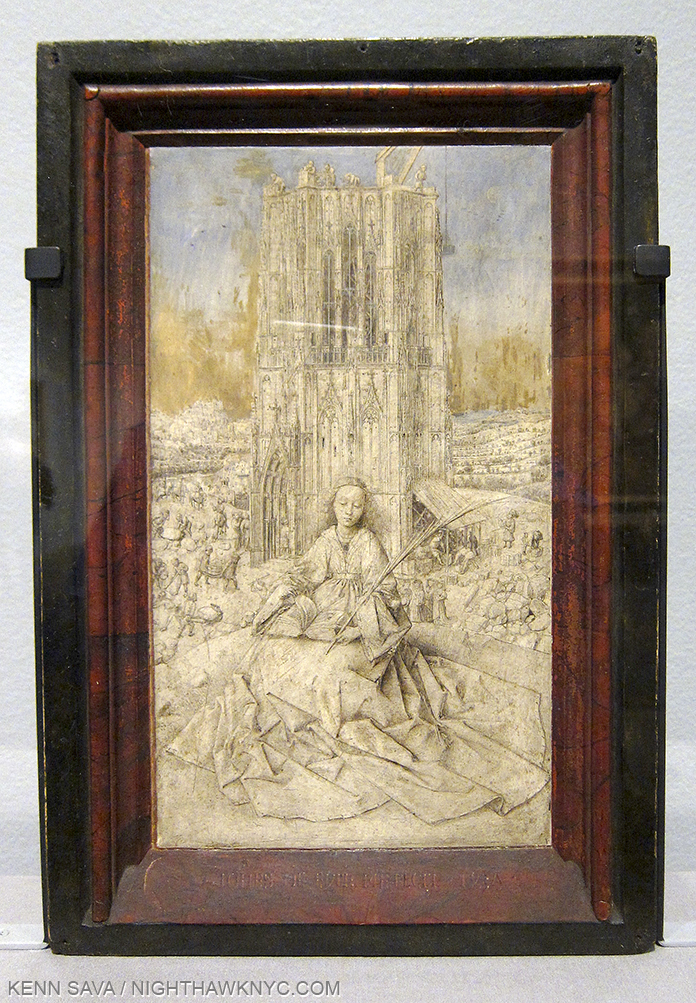
Jan van Eyck, Saint Barbara, 1437. I was shocked to see this masterpiece in Unfinished.

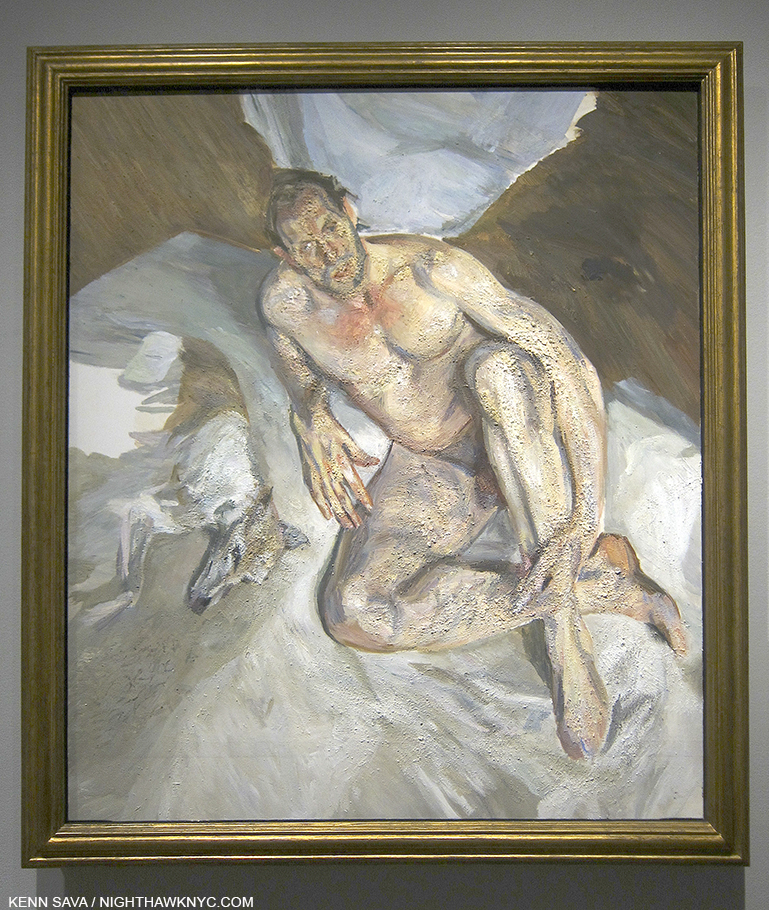
Lucian Freud, Portrait of the Hound, 2011, left unfinished on the Artist’s easel at his death.

My initial reaction is that TMB is great for Art lovers. Another major location to see world class Art in the City, with TM’s unequalled expertise, resources and 2 million or so collected works behind it. Unfinished is a must see show, especially for Artists. it’s chock full loans from major Museums (60% of the show), which is rare these days.

How it will turn out for TM, financially2, though it also remains to be seen what, if anything, will be done with the contemporary Art collection in the interim.

One day in, that’s the big question for me- What TM’s full plans are for contemporary Art at TMB. I’m looking forward to seeing how they unfold. My gut tells me it’s going to surprise a lot of critics and give TM new cred in a realm it’s been denigrated in for years. Oh? But that new Met logo isn’t wearing well on me.

For now, it’s terrific to have Art back at the Breuer, and, Unfinished is an unmitigated why-hasn’t-anyone-thought-of-this-before joy- for lovers of painting, and Art. I’m pleased to be among the first to “Kiss the Bride.”

*-Soundtrack for this Post is “The Art of Fugue” by J.S. Bach, left unfinished at the Master’s death, as recorded by Glenn Gould. You can see Gould perform the final part of  it here, and the entire hour and a half long piece, here.)

NighthawkNYC.com has been entirely self-funded & ad-free for over 8 years, during which 300 full-length pieces have been published! If you’ve found it worthwhile, PLEASE donate to allow me to continue below. Thank you, Kenn.

You can also support it by buying Art, Art & Photography books, and Music from my collection! Art & Books may be found here. Music here and here.

Written & photographed by Kenn Sava for nighthawknyc.com unless otherwise credited. To send comments, thoughts, feedback or propositions click here. Click the white box on the upper right for the archives or to search them. Subscribe to be notified of new Posts below. Your information will be used for no other purpose.

  1. The Whitney Breuer closed on October 19, 2014.
  2. It costs $17M a year to run per the NYT article linked above.}, is going to be something to watch. I’m hearing that by the 2 year mark it will be apparent where this is going long term, so we shall see. Yes, we’ve “lost” a little temporarily with the closing of TM’s contemporary galleries, but unlike when the American & Roman wings were closed for renovation, TM has more than made up for it with TMB[3. While TM didn’t open alternate spaces, beyond showing some works from the American Wing downstairs in the Lehman Galleries.

Watching The Watchers With Laura Poitras

This site is Free & Ad-Free! If you find this piece worthwhile, please donate via PayPal to support it & independent Art writing. You can also support it by buying Art & books! Details at the end. Thank you.

Written & Photographed by Kenn Sava

Laura Poitras is, perhaps, best known for her Documentary CitizenFour, a behind-the-scenes chronicle of Edward Snowden’s unprecedented classified documents release and it’s after effects. It’s the culminating work of her 9/11 Trilogy. For Ms Poitras, and many others, Film is an Art Form1. I would agree that as a means of creativity and expression, Film as an art form is undeniable. In the bigger picture, Film, being 100-odd years old (depending on when you say it began), is still a relatively young Art Form to be considered “High Art.”

Does it belong in Museums yet, or is that premature?

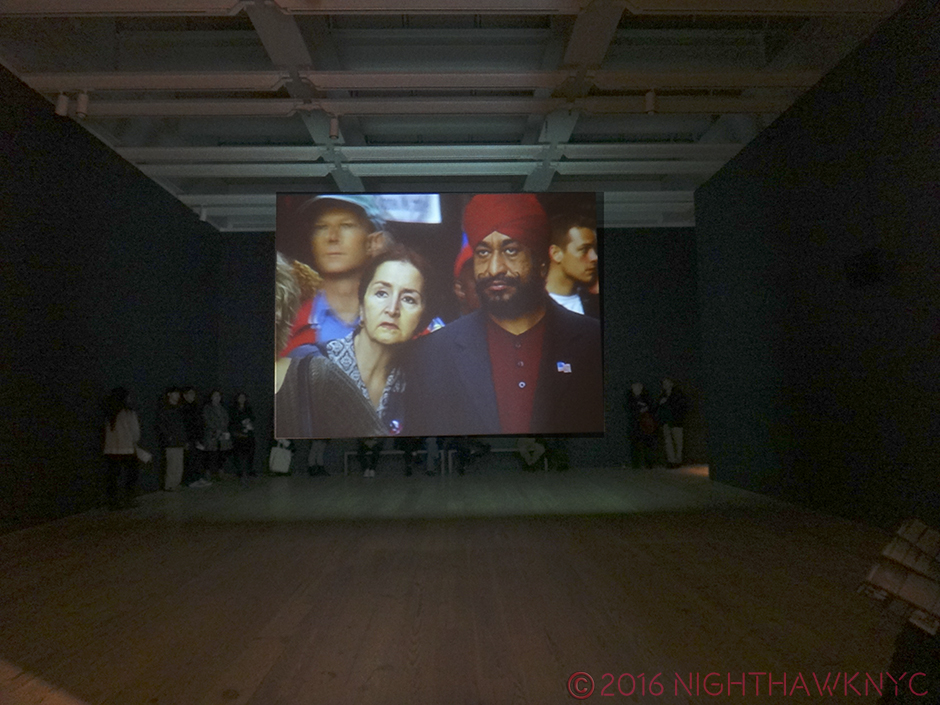
Face to face with unspeakable horror. A screenshot of Poitras’ video O Say Can You See in her new show, Astro Noise, at the Whitney Museum.

While Film’s place in the front ranks of our popular culture seems assured to us now, it’s unknown what future generations will think, as is if it will speak to them. Of course, they could also reject Painting, Sculpture or whatever Artform that we accept now, but given a few thousand years of history to the contrary it at least feels there’s a better chance those will endure. Then, exactly what Film’s lasting works are, if any, also remains to be seen. If history tells us anything about Art it’s that what appears to be “Great” to the people of any given time often gets resigned to the dust bin by those that follow. No doubt that will happen to most of what’s been created in our lifetimes, but some of it may remain that speaks to those who come after us, even much after us. Consider that documentaries (one of my personal favorite genres of Film) are an even newer form, one that is continually evolving in both form and possibilities, and it may be somewhat surprising that Laura Poitras, one of the most respected Filmmakers and Documentarians working today, now her first solo Museum show, Astro Noise, at The Whitney.

Obviously, The Whitney Museum, like many other Museums & galleries around the world isn’t waiting for the future to judge what is or is not Art. In this case, I applaud their choice, and given the controversial nature of much of the show’s content, their guts. That, actually, shouldn’t be surprising. As Whitney Museum Director, Adam D. Weinberg says in the Foreword to the fascinating book of the same name accompanying the show, (which features a striking contribution from no less than Ai Weiwei), “(Whitney Museum founder) Mrs. Whitney’s early commitment to radical realist artists and her profund belief in the democracy of American art positioned her as a champion of free expression and the Whitney as a site for potential controversy2.”

“Is this “art?” I’d say Yes- As much in the presentation as in the work3. I’m not big on most of what I’ve seen done in video in galleries or Museums (William Kentridge being one exception off the top of my head). The pieces on view are beautifully conceived (individually and as a group), charged with meaning (for her, you and me, yet globally as well) and presented in a very artful way that regardless of what side of any political fence you may be on will give you pause to think. They force you to see the world around you, very far from you, and indeed, even hidden from you while showing how the world has changed since that fateful day almost exactly 14 and a half years ago. In “Astro Noise” it’s all plainly on view.

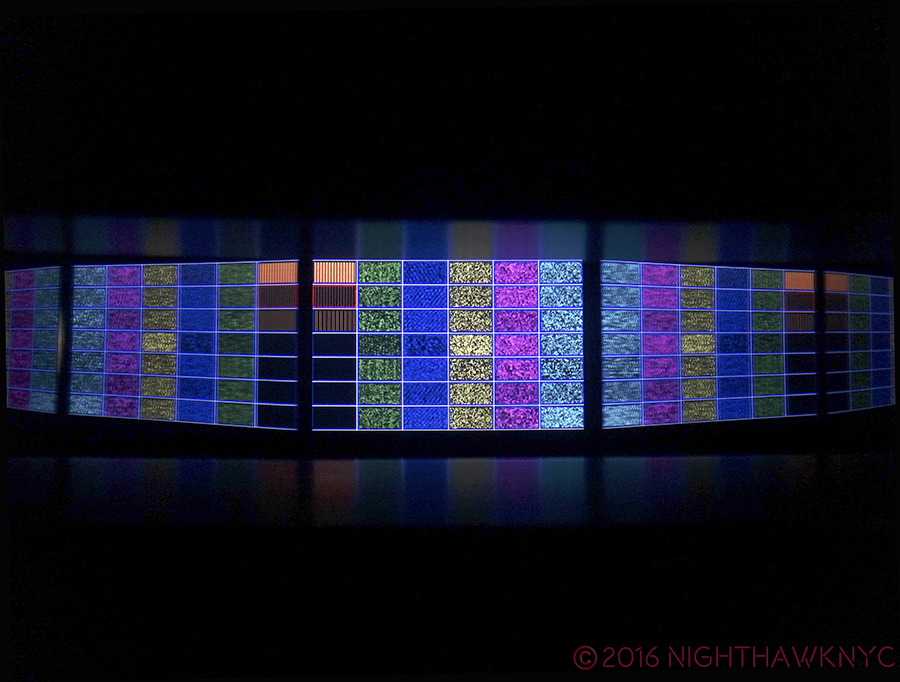
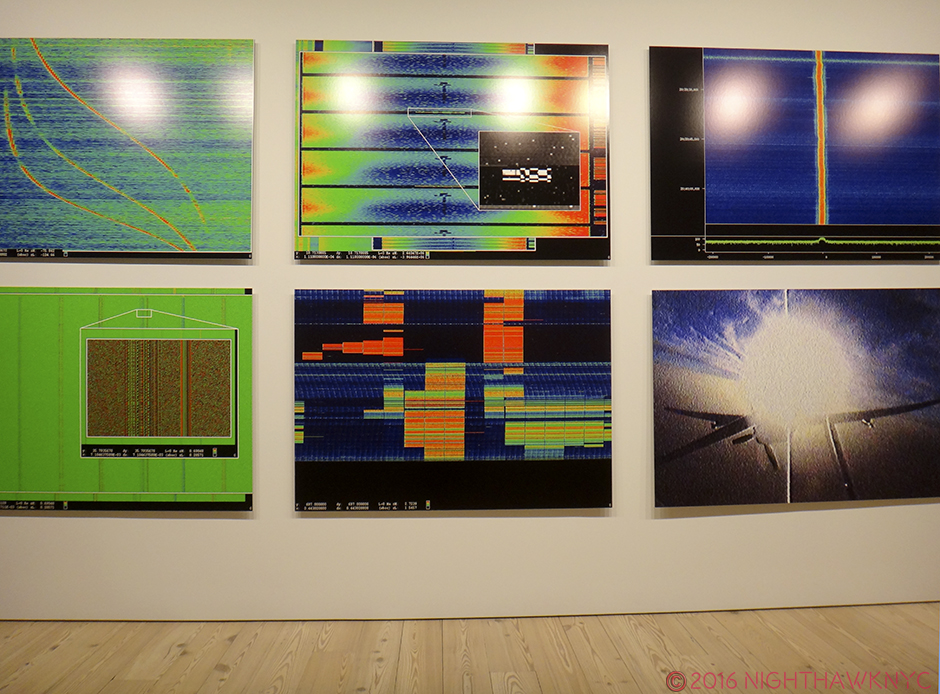
Disposition Matrix, 2016. “Don’t attempt to control the horizontal…the vertical…”

The first room features a double sided video screen, a fact not obvious until you walk to the other side of it, both sides showing her 2 channel video O Say Can You See, 2001/16, pictured above. At first you’re faced (literally) with watching people’s expressions as they view Ground Zero in the days after 9/11. For most Americans, these are the first days of a new world, and these people are both witness to what is before their eyes and the implications of it their mind’s eye also sees. In spite of the fact that 9/11 was one of the most photographed & filmed tragedies in history, this is something not many who aren’t named Laura Poitras took the time to look at. It’s the “right in front of us” element of this show. As someone who lived here that day, it’s something “familiar” yet seen in a new way, which is always something I value in Art, (and reminds me of the Man Ray quote I Posted recently.) As we may not know from her documentaries, which deal largely with “others,” this powerfully shows that Laura Poitras is also gifted at documenting what’s in front of us and largely missed.

From here, all becomes “movie theater dark” as we encounter the unseen and the hidden.

Walk around to the other side of the video screen and the ramifications begin to become all too real. We watch two prisoners being interrogated in Afghanistan shortly after. Two types of reaction to 9/11. From there, the show’s dark & winding trail continues with video of drones in various night skies around the world intermingling with the peace, beauty and serenity of the stars, which you watch lying flat on your back. Then there are banks of “peep show” like slots containing documents and videos from various government surveillance agencies around the world (See “Disposition Matix,” above and “Anarchist,” below), including ours, which, unlike in the first rooms, can really only be seen by one person at a time, making it personal. Finally “Astro Noise” leaves us with a graphic proof that we are all now being watched- even while we’re looking at this show.

While I was pondering the “Art” of this, I realized that her trials and travails that are a part of the genesis of this show, and of her work, reveal something I admire about Laura Poitras very much-

Her integrity is not for sale.

As such, she strikes me as something of a “throwback.” She’s a throwback to Artists, Musicians & Writers of yore- men and women who created because they had to. It’s as if their very lives depended on it, their raison de’tre.  If the public responded to their work and paid for it, the better to create more of it, but regardless, they were on a mission. They lived, breathed and died their art.

Laura Poitras is using art to show us “ourselves”- our collective selves. Me, you, the people in power- elected or not, and enabling us to “see” them and decide for ourselves how we feel about it all. That’s pretty much all any Artist can do. Say what you want about Ms. Poitras politically charged show, she’s on a mission.

“World peace is none of your business

You must not tamper with arrangements

Work hard and sweetly pay your taxes

Never asking what for”*

Anarchist, 2016. Somebody in the U.K.’s tax money hard at work. “What for?”

“Astro Noise” creates the undeniable feeling that somehow along the way Post 9/11, in addition to all the horror that’s gone on here and around the world be it by terrorists or by trying to stop them, as the “cost” of it all continues to become apparent, as the unseen becomes visible, we’re seeing we’ve all lost even more than we realized or consented to. We’ve lost our right to privacy.

While Edward Snowden “tipped” Ms. Poitras to the NSA’s role in that sending her a file titled “Astro Noise,” this week, I saw a headline that read “You’re On File In China.” Yes, that’s another part of the story, though every bit as concerning.

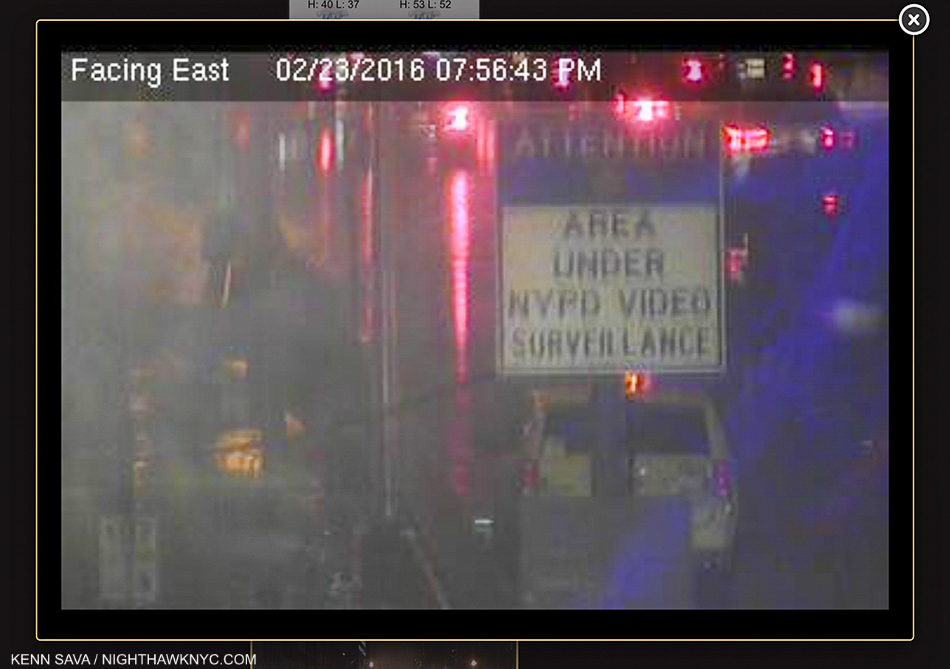
A surveillance camera surveils a sign warning it’s presence. How quaint. There’s too many cameras to hang signs anymore.

Closer to home, it’s enough to make me how much of our freedom we’ve lost, too ?

“World peace is none of your business

So would you kindly keep your nose out”*

Consider this- In a country where the law says a suspect is “innocent until proven guilty,” all of a sudden, we’ve ALL being treated like suspects.

Why?

*-Soundtrack for this Post is “World Peace Is None Of Your Business”s by Morrissey & Boz Boorer from his 2014 album of the same name. Published by Warner Chappell Music and Universal Music Publishing Group.

NighthawkNYC.com has been entirely self-funded & ad-free for over 8 years, during which 300 full-length pieces have been published! If you’ve found it worthwhile, PLEASE donate to allow me to continue below. Thank you, Kenn.

You can also support it by buying Art, Art & Photography books, and Music from my collection! Art & Books may be found here. Music here and here.

Written & photographed by Kenn Sava for nighthawknyc.com unless otherwise credited. To send comments, thoughts, feedback or propositions click here. Click the white box on the upper right for the archives or to search them. Subscribe to be notified of new Posts below. Your information will be used for no other purpose.

  1. I think of filmmaking as art...”
  2. Astro Noise by Laura Poitras, Published by the Whitney Museum, P.20
  3. Whether this will be “Art” and continue to speak to people generations from now or not is anyone’s guess.

Happy 86th Birthday, Sister Wendy! I Miss You.

This site is Free & Ad-Free! If you find this piece worthwhile, please donate via PayPal to support it & independent Art writing. You can also support it by buying Art & books! Details at the end. Thank you.

Written & Photographed by Kenn Sava (*- unless otherwise credited)

Today, February 25th, is Sister Wendy’s 86th Birthday…

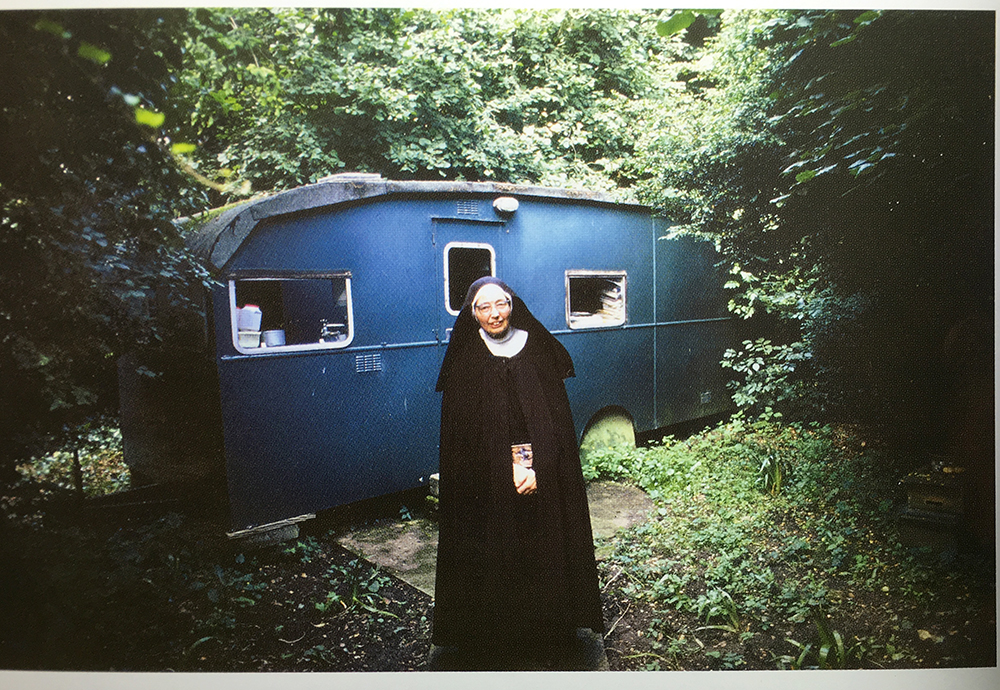
In front of the trailer she now lives in, in seclusion. As seen in her 2006 book Joy Lasts published by Getty Publishing.

Remember Sister Wendy ? The English Nun who became the most unlikely Art expert & historian in the history of Public Television (and the BBC) in the 1990’s, and probably, the most famous Art expert in television history? To me, she’s a rare instance when “most popular” is also one of the best.1

I absolutely LOVE her!

Ok, I’m a failed Catholic and our spiritual worlds are an Atlantic Ocean apart, but I’ve never been so captivated listening to ANYONE, who isn’t an Artist, talk about Art as I have been listening to her. She has this amazing way of being true to herself and her beliefs while at the same time being honest and open minded about what she is seeing and, most importantly, the all too rare ability of making Art accessible to anyone. She accepts the “human-ness” of men (and women) in a surprisingly sensitive way. Her Love of God remains intact when viewing the work of the most “human” of beings, which depicts them doing the most “human” of things on a fairly regular basis. Hearing a (committed virgin) nun discuss nudity for example, or even sex, is at first shocking, until you listen to what she has to say. Otherwise, I would have turned her off in minutes.

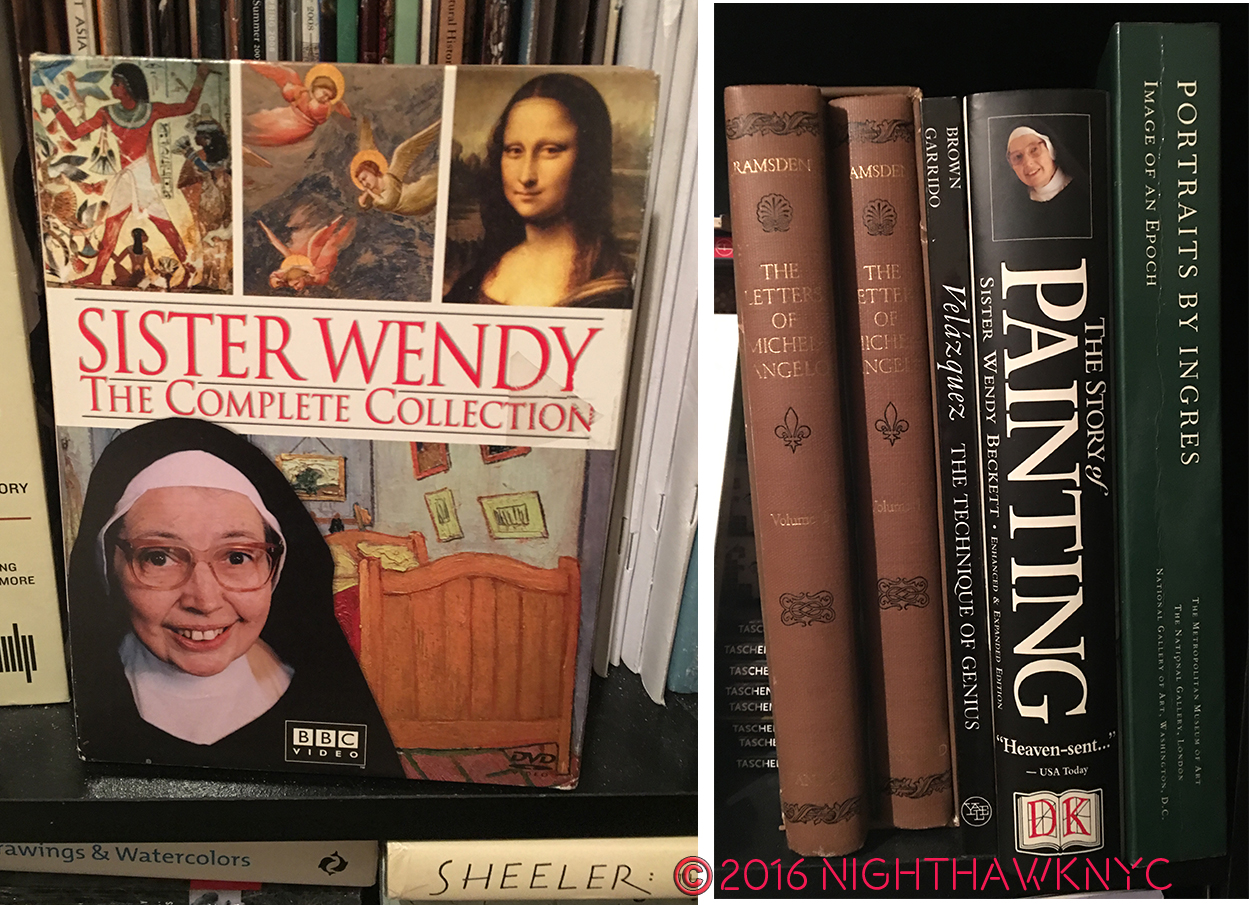
If you’re looking to learn about Art History? I heartily recommend her videos and books. In either medium, start with “The Story of Painting,” which for me was just a magical experience. (Her other essential book, “1,000 Masterpieces,” strikes me as being the world’s-finest-Museum-in-a-book that comes with her uncanny insights on each work.) My copy of the book and the videos are still within easy access. Even if you know something, or a lot of things about Art & Art History, you’ll find her insights eye opening, her opinions unique. But don’t stop there. “Sister Wendy’s American Collection,” (SWAC) a 6 part tour of some of the finest American Museums, is also essential.

Not posed- This is really how they are in my apt. Her book sits between MIchelangelo’s Letters, Velazquez and Ingres. I need her more than they do.

Actually, looking at Met Director Thomas P. Campbell’s Instagram page, which I dipped into last week, I happened on this picture that reminded me of “SWAC.” A spoiler for the video on The Met- During her Tour of TM, SW makes a point of showing us her “favorite” works in the Museum! I’ve been there over 1,300 times. I knew most of the works she selected (Phew!), but I was left stunned by this fact- TM has over TWO MILLION works in their collection. I doubt ANYONE has seen them all. How does this 70-something Nun from England find a work like this-

which is small (less than 6 inches tall) and not exactly displayed front and center, in the middle of 4 City Blocks of Art? Next time you go? I dare you to find it, without asking. SW singled it out as one of the most beautiful works in TM. Wow! I just mean “WOW!” Yes, it is, but the sheer act of her choosing it among everything else will forever blow my mind, years before Thomas Campbell singled it out, above.

Think about that for one minute- Anyone who goes to a Museum goes with a list of things they want to see- favorite artists, works, special shows, and on and on. Very few go with an open mind to “just see.” What’s that old Zen Buddhist saying? ”In the beginner’s mind there are many possibilities. In the expert’s mind there are few.” SW is an expert, yet, she goes to TM with an amazingly open mind and sees. That is just so incredibly hard to do.

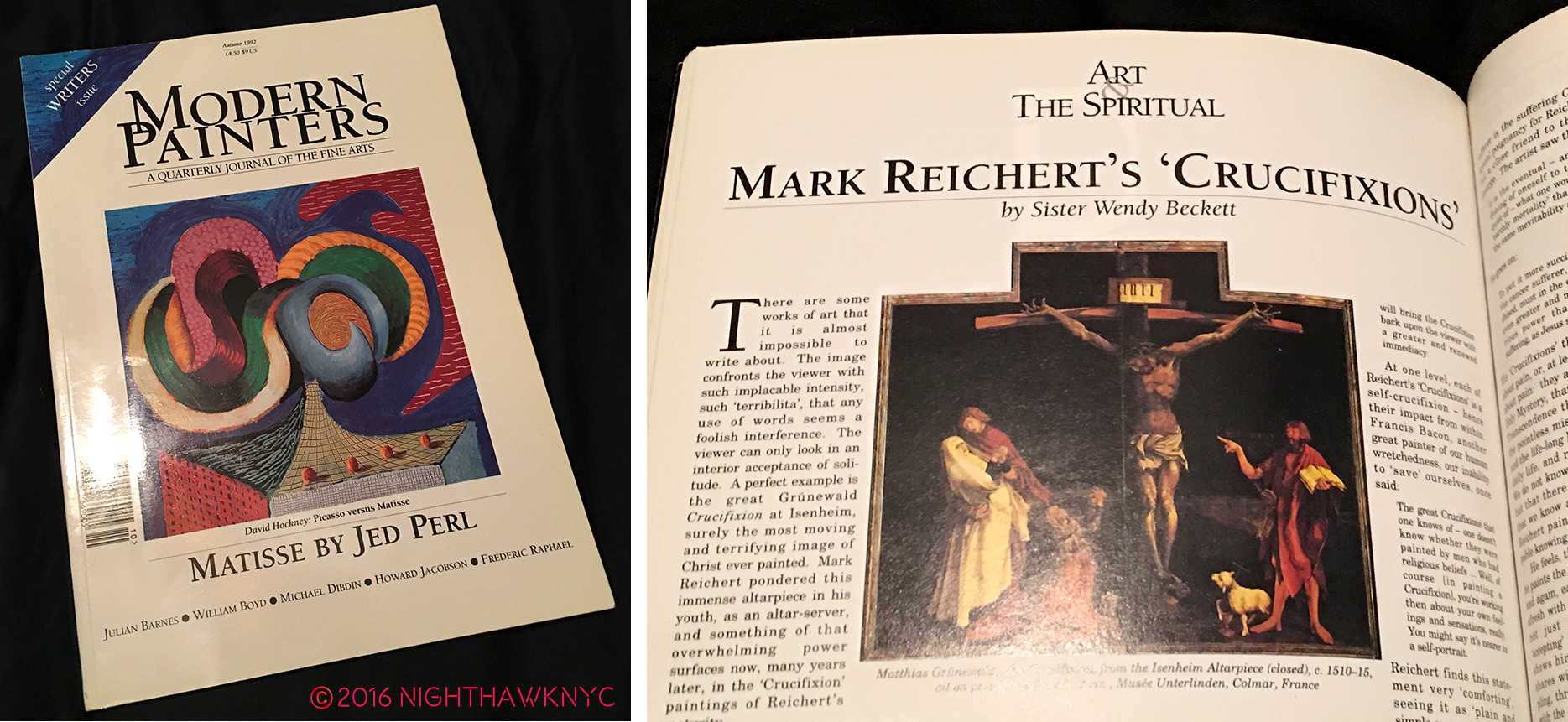
To this day, anytime I see it, that’s what I think about- “Sister Wendy chose this.” When I first saw this in her video, my jaw hit the floor. Seeing Mr. Campbell post it on Instagram reminded me of that video. It also reminded me of how much I, and I think many, many others, miss Sister Wendy. While I respect her 2001 decision to devote her life to living in seclusion and contemplation, ending her career on television, she has unique and all too rare Gifts- The Gift of being able to make ANY Art as human as the Artist did (maybe more so), and especially of making Art more accessible than most other critics & historians, and then for instilling her passion and sheer love and respect for great Art in her viewers and readers. She certainly did, and continues to do that for me! I’ll be eternally grateful to her for that. But? As I said recently, adult Art Education is sorely needed today- countless millions need her gifts as much now as ever! Fortunately, she has produced a fairly large body of videos and books. Unfortunately, some of the videos seem to be slipping out of print (Hello, BBC Video? I seriously hope not!). Lesser known are her early writings for Modern Painters Magazine, back when it was something special. That was where I first discovered her.

Modern Painters, Writer’s Issue, Autumn, 1992. Sister Wendy’s name doesn’t even make the list of writers on the cover! Before the year was over, she’d be the star of her own series on BBC TV, “Sister Wendy’s Odyssey.”

I’m not that close with “the Man Upstairs,” but just in case He or She happens to be a NighthawkNYC reader, or sees this Post in His or Her Omnipotence- Could You do the Art world a big favor and tell SW it’s “Ok” to come back to us? For the rest of us mere mortals, wherever or however you discover her, If you want to learn about Art History, or discover more about it, or if you just want to find out what makes Art worth your time and maybe “get” what all the Art fuss is about- I hope you’ll give her your time. I don’t know if there’s an afterlife, but I know one thing – For an Art Lover, or an aspiring one? Sister Wendy is blessing sent from Heaven.

HAPPY BIRTHDAY, SISTER WENDY, The Patron Saint of Art Lovers!

*- Soundtrack for this Post is “Happy Birthday to You”

Update 12/26/2018- I was very saddened to learn of Sister Wendy’s passing today. My R.I.P. for her may be found here.

NighthawkNYC.com has been entirely self-funded & ad-free for over 8 years, during which 300 full-length pieces have been published! If you’ve found it worthwhile, PLEASE donate to allow me to continue below. Thank you, Kenn.

You can also support it by buying Art, Art & Photography books, and Music from my collection! Art & Books may be found here. Music here and here.

Written & photographed by Kenn Sava for nighthawknyc.com unless otherwise credited. To send comments, thoughts, feedback or propositions click here. Click the white box on the upper right for the archives or to search them. Subscribe to be notified of new Posts below. Your information will be used for no other purpose.

  1. Along with Kenneth Clark, Robert Hughes, Simon Schama, maybe one or two others I forget off the top of my head…

Art Shows, 2015 – Who Keeps Your Flame?

“But when you’re gone,
Who remembers your name?
Who keeps your flame?”*
IMG_7838PNH

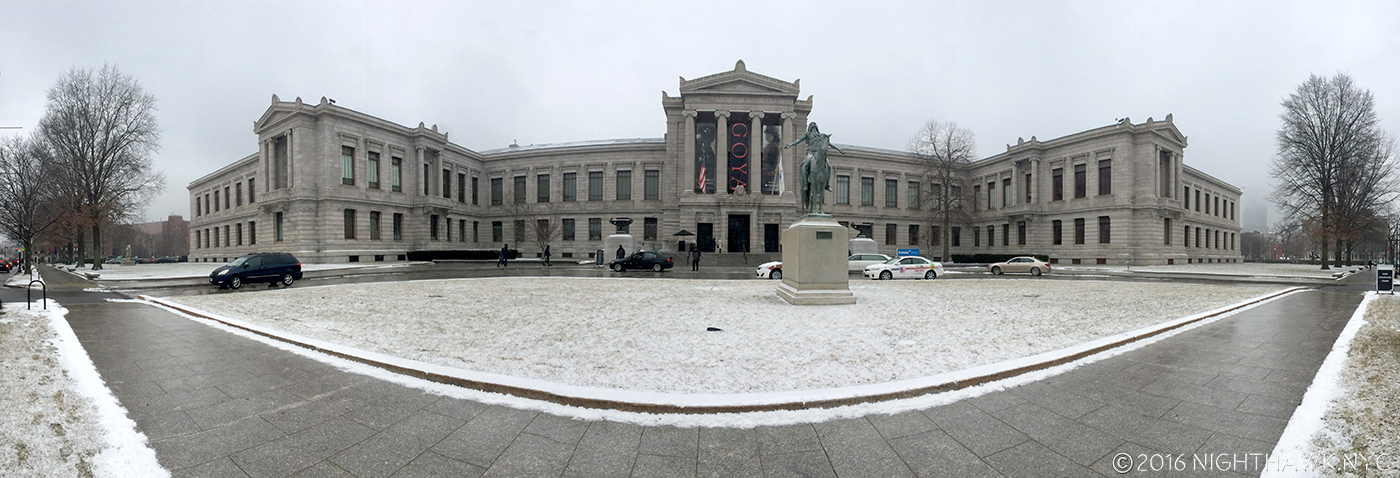
January, 2015. Goya: Order and Disorder @The Museum of Fine Arts, Boston. Neither snow, nor 5 hours on a train kept the Nighthawk from the Front Door of Great Art.

Since I don’t believe in comparing creative work or creative people, AND I believe that “awards” for “Best” whatever among the Arts (and Sports) are absurd 1, I thought I’d do a “List In No Particular Order” of 2015 Art Shows I saw (some opened in 2014) that may or may not have closed for good, but still continue to open doors in my mind, and that’s more important than any award I could bestow.

“Oh can I show you what I’m proudest of?”*

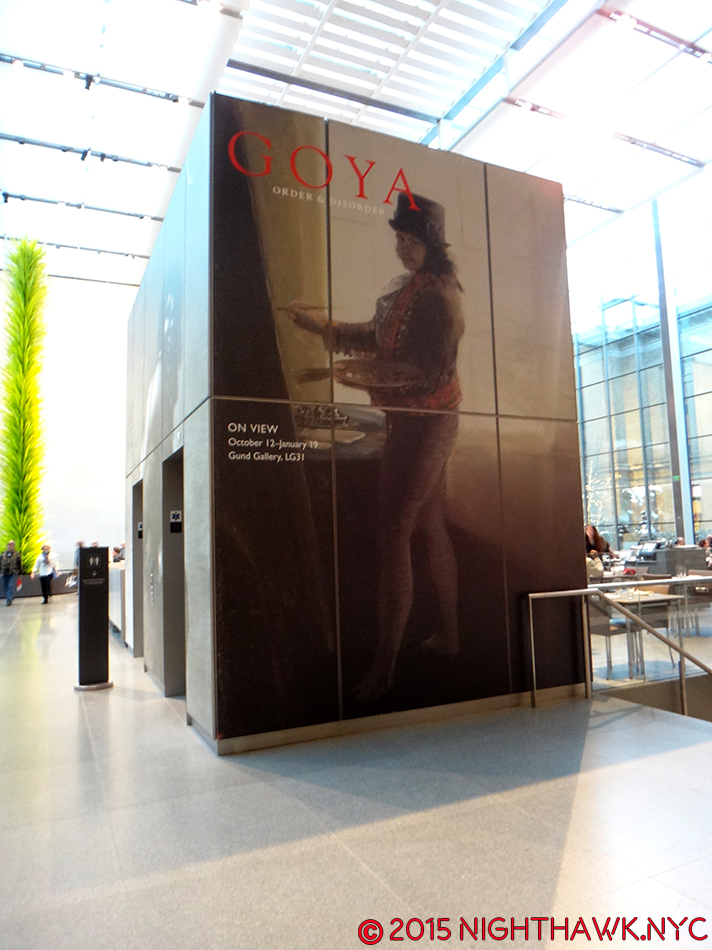
Goya: Order and Disorder (Museum of Fine Arts, Boston, MA. No photos permitted.) AND Goya:Los Caprichos (National Arts Club, Gramercy Park, NYC)- Two concurrent, excellent shows, 250 miles apart, one huge, the other “small” showing two views of  Goya- one all encompassing, filling the whole lower level of the MFA, one narrowly focused on a rare, complete set of his landmark 80 print, Los Caprichos,(once owned by Robert Henri, who reappears below) combined to show the enduring power, importance, relevance and eternal influence of the Spanish Master. Many saw the former, far fewer saw the latter, tucked away in a dining? lecture? room on the second floor of the NAC (Behind hundreds of chairs on one of my visits!). An artist of nightmares, both surreal and all-too-real, the likes of which perhaps only Bosch can equal, who can then turn around and paint with the utmost lyricism, Goya was all about what it is to be human. Take your pick- portraits, historical pieces, landscapes, the otherworldly or the underworldly, children, tapestries, or his graphic works that hold their own with dare-I-say-Rembrandt, he’ll blow your mind.
DSC07316PNH

Goya/MFA on the show’s elevator entrance, overlooking Dale Chihuly’s Tree.
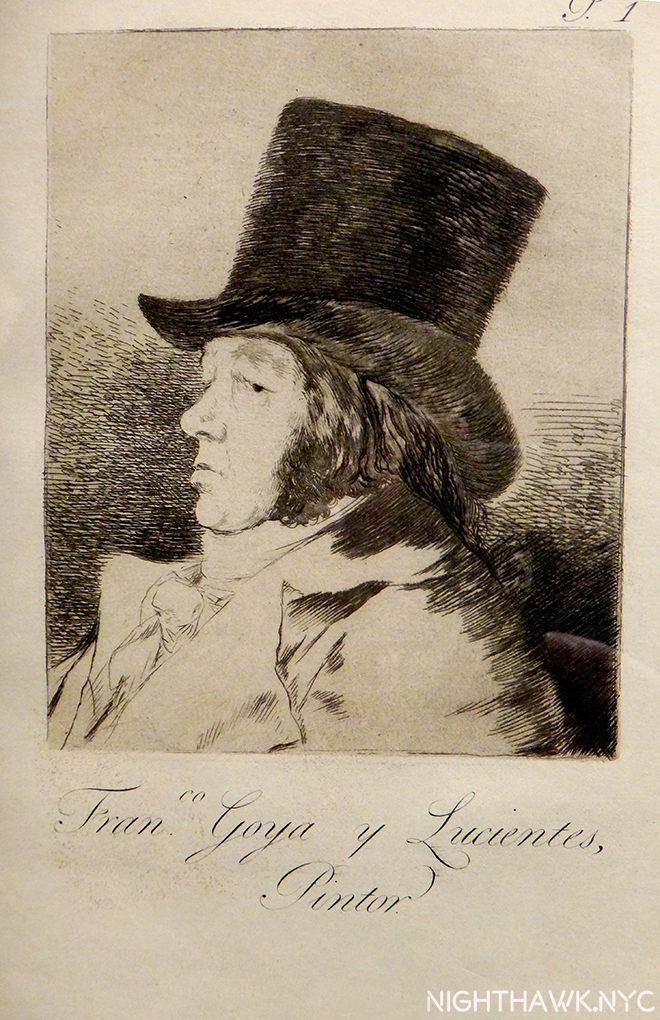
Remember My Name. Goya’s Self Portrait casts his all-seeing eye on us 215 years later.
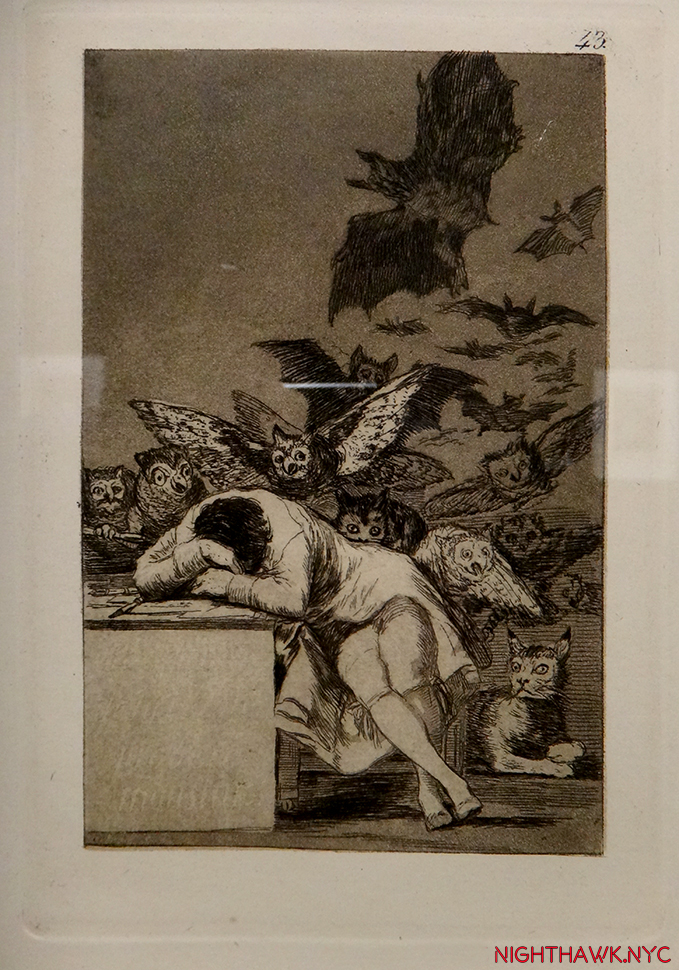
The Sleep of Reason Produces Monsters from The Caprichos” So? Stay up!
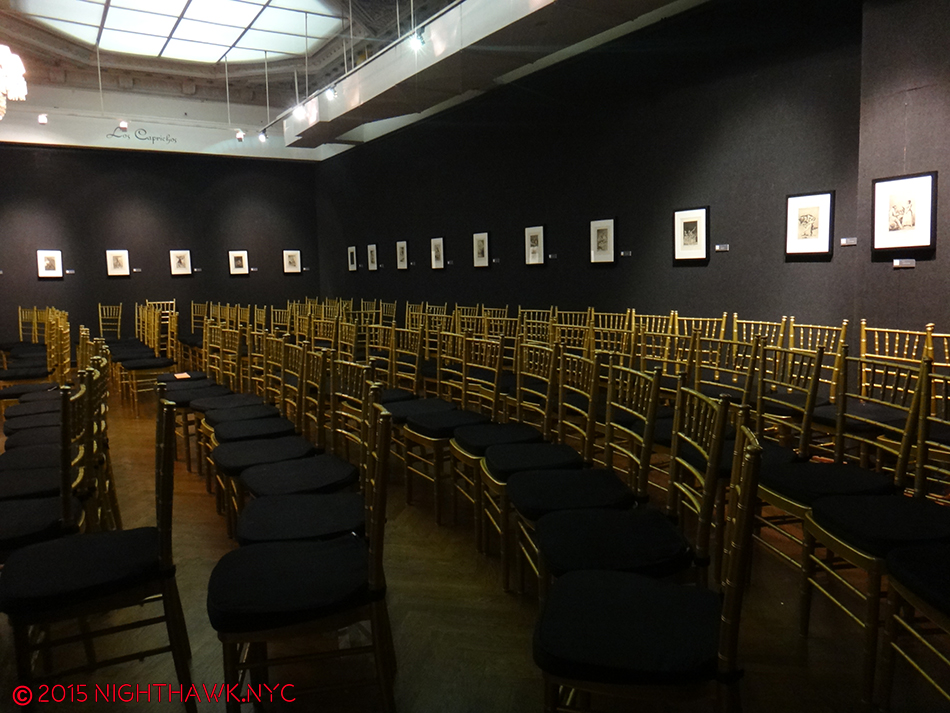
DSC07711PNH

Neither blizzard, nor the furniture(!), kept the Nighthawk from seeing all of Goya’s incredible Los Caprichos at the National Arts Club, but I think they tried to.

Richard Pousette-Dart (Pace 510 West 25th, Chelsea)- I walked in and was completely captivated by “abstract” Art the way I haven’t been since the Mark Rothko Show at the “Old” Whitney in 1998, which was one of the greatest shows I’ve ever seen. (That’s not comparing.) Don’t be fooled by the apparent geometric simplicity, there is an astounding subtlety to these works that at once feel microscopically considered, often freely rendered, yet globally cohesive. Pousette-Dart had a number of styles, and this show represented one, geometric style, from the 1970’s in both large oils and smaller drawings. For any of those who think that Abstract Expressionism is “easy” to do, go ahead and try creating one of these, the largest is almost 8 foot square, and then see if it has the “Presence” of Dart’s. The amount of work that went into each piece belies their seemingly “simple” composition, is matched by an extraordinary primacy of order, and second only to their transcendent impact. Here, we see Richard Pousette-Dart as the great, “under known” abstract artist. While Pollock & Rothko have grown larger in stature, Pousette -Dart’s name deserves to be right there with theirs. There is only one word to describe this show’s effect- Magical.
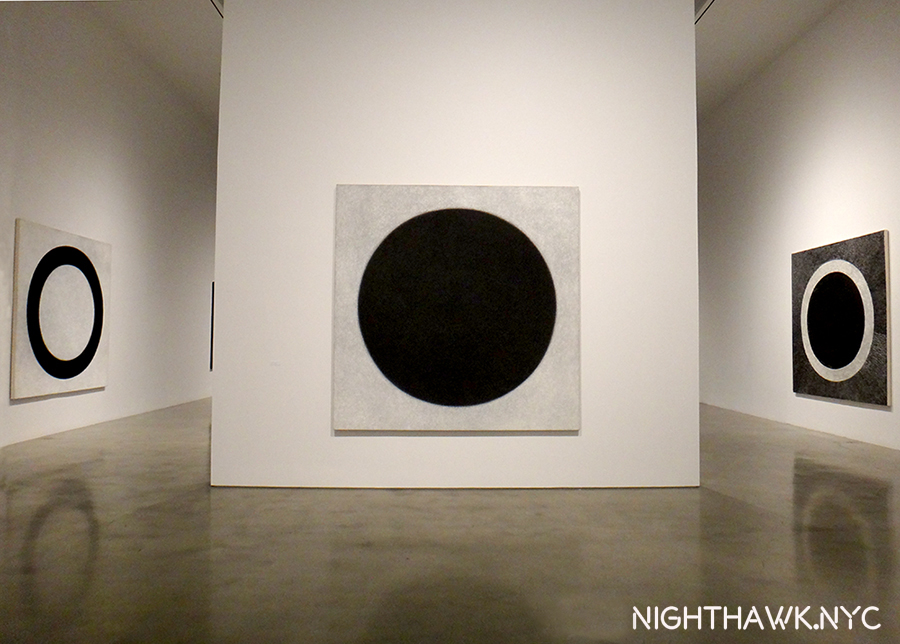
Then? There’s never a chair around when you want one. Pousette-Dart @Pace- Presence, Circle of Night, 1975-6, center, Black Circle Time, 1980, left and White Circle Time, 1980, 90″ square each.
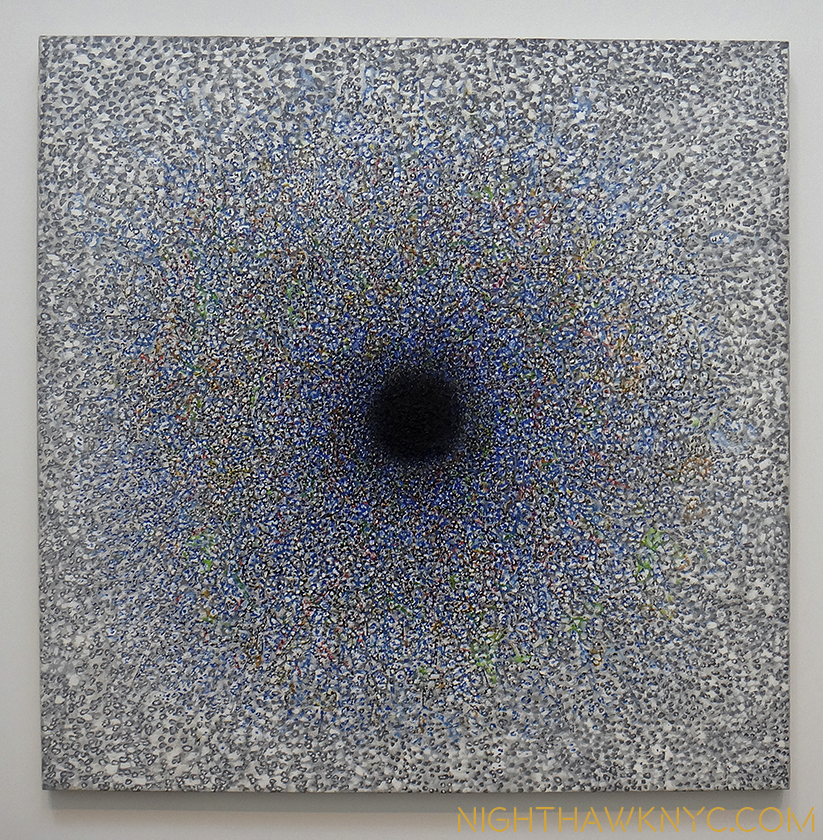
Imploding Black, 1975, six feet square. Transcendent,
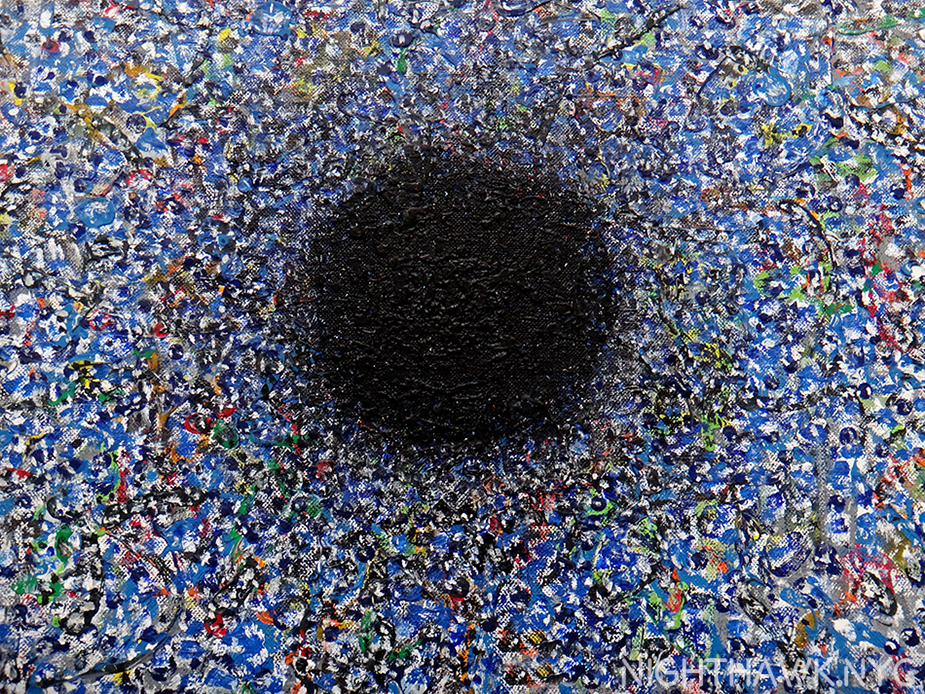
Detail.
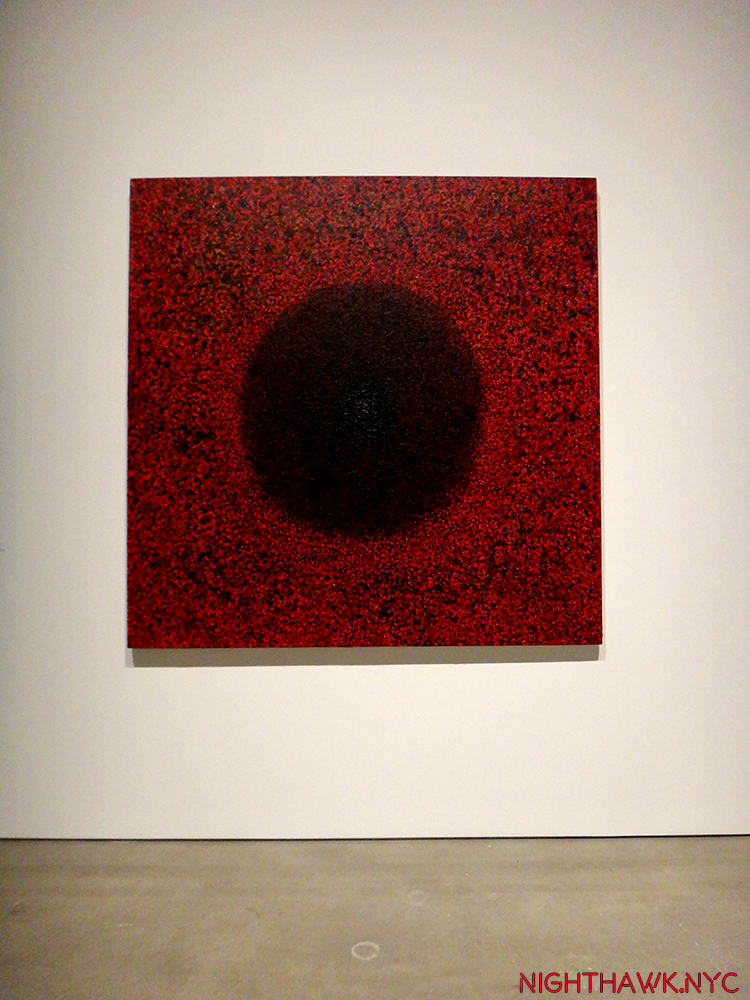
Cerchio di Dante, 1986, six foot square
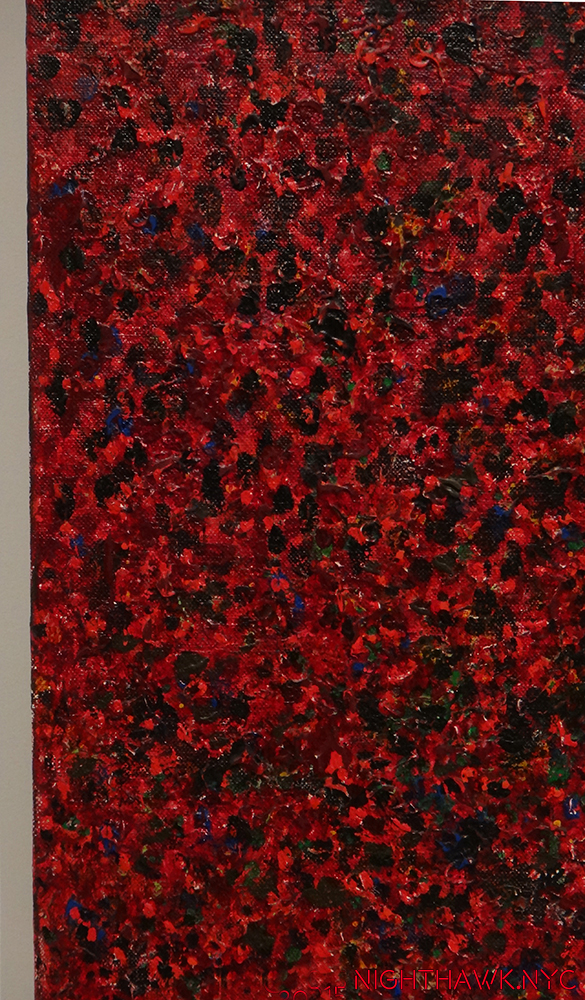
Detail of the left side.

“Let me tell you what I wish I’d known
When I was young and dreamed of glory
You have no control
Who lives
Who dies
Who tells your story?”*

Richard Estes: Painting New York City (Museum of Art & Design, NYC)- My favorite contemporary artist, and one of the greatest living realists, FINALLY gets an NYC Museum show, and it was worth the wait. A virtual time capsule of NYC from the mid 1960’s to 2015’s astounding Corner Cafe, showing the 83 year old Master is still at the height of his considerable power. Oh…Do NOT call him a “photorealist” in my presence! Estes shows us the world we live in as we do not see it, (more on this soon) and so follows in the footsteps of Edward Hopper and Charles Sheeler in advancing American realism while, perhaps, being the first to include the abstraction that is also a part of the real world. A misunderstood painter, in my eyes, who is only just beginning to be really seen, finally.
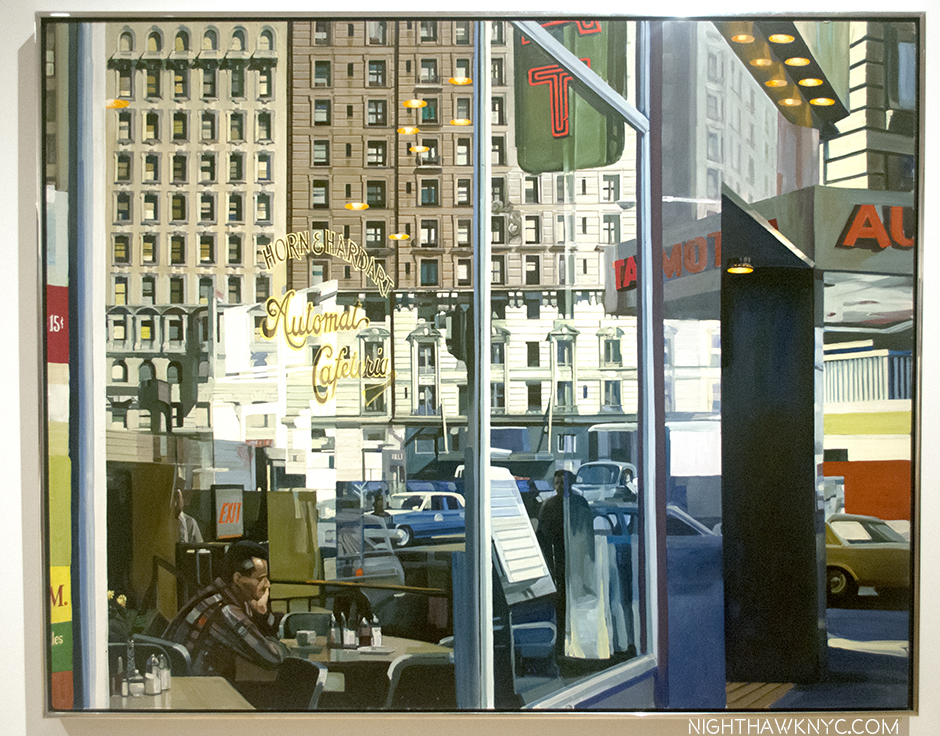
Horn & Hardart Automat, 1967. Not since Hopper has a work spoken to me of life in the City like this does.
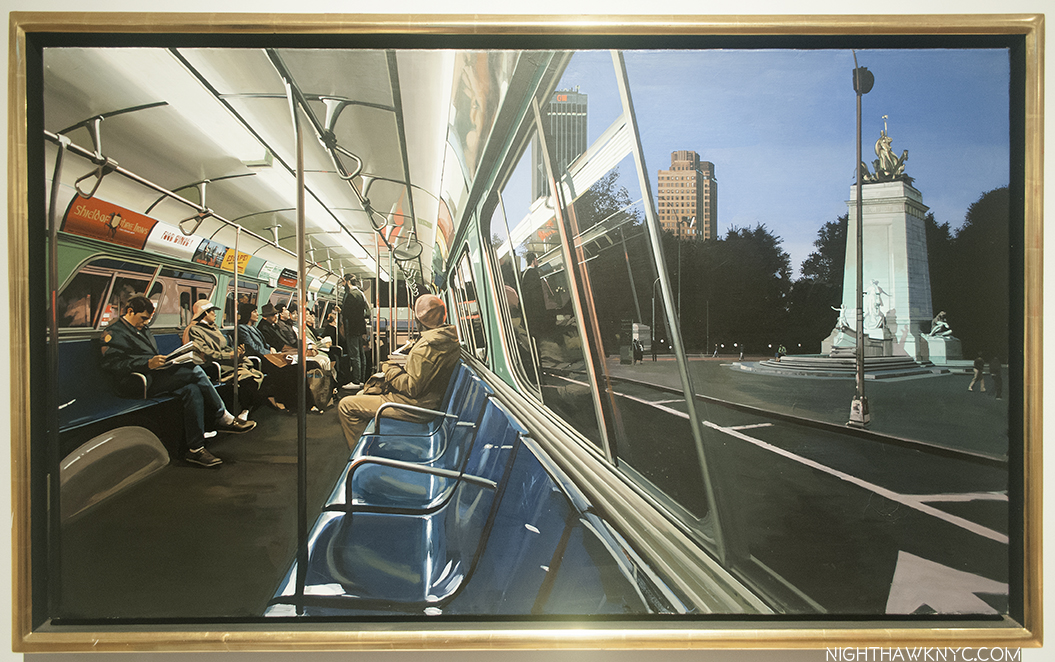
Columbus Circle, Maine Monument, 1989. 500 years ago, or 100, they came by ship. Now? They come by bus. Frozen in time, side by side.
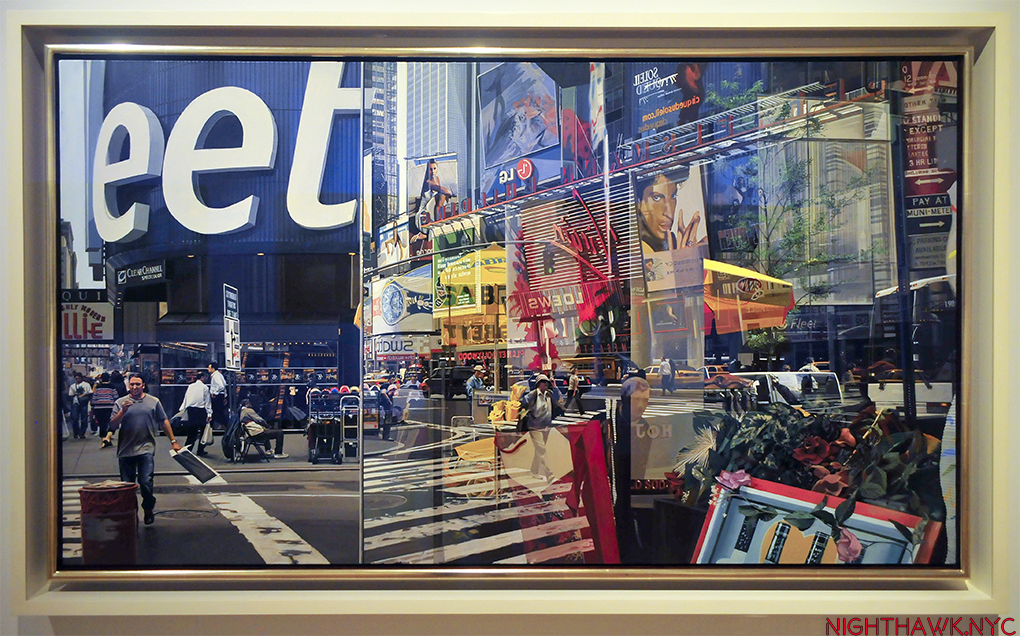
Times Square, 2004. Nothing captures the experience of the place better than this, though Robert Rauschenberg is capable of giving me a similar feeling (See below).

“I try to make sense of your thousands of pages of writings
You really do write like you’re running out of time.”*

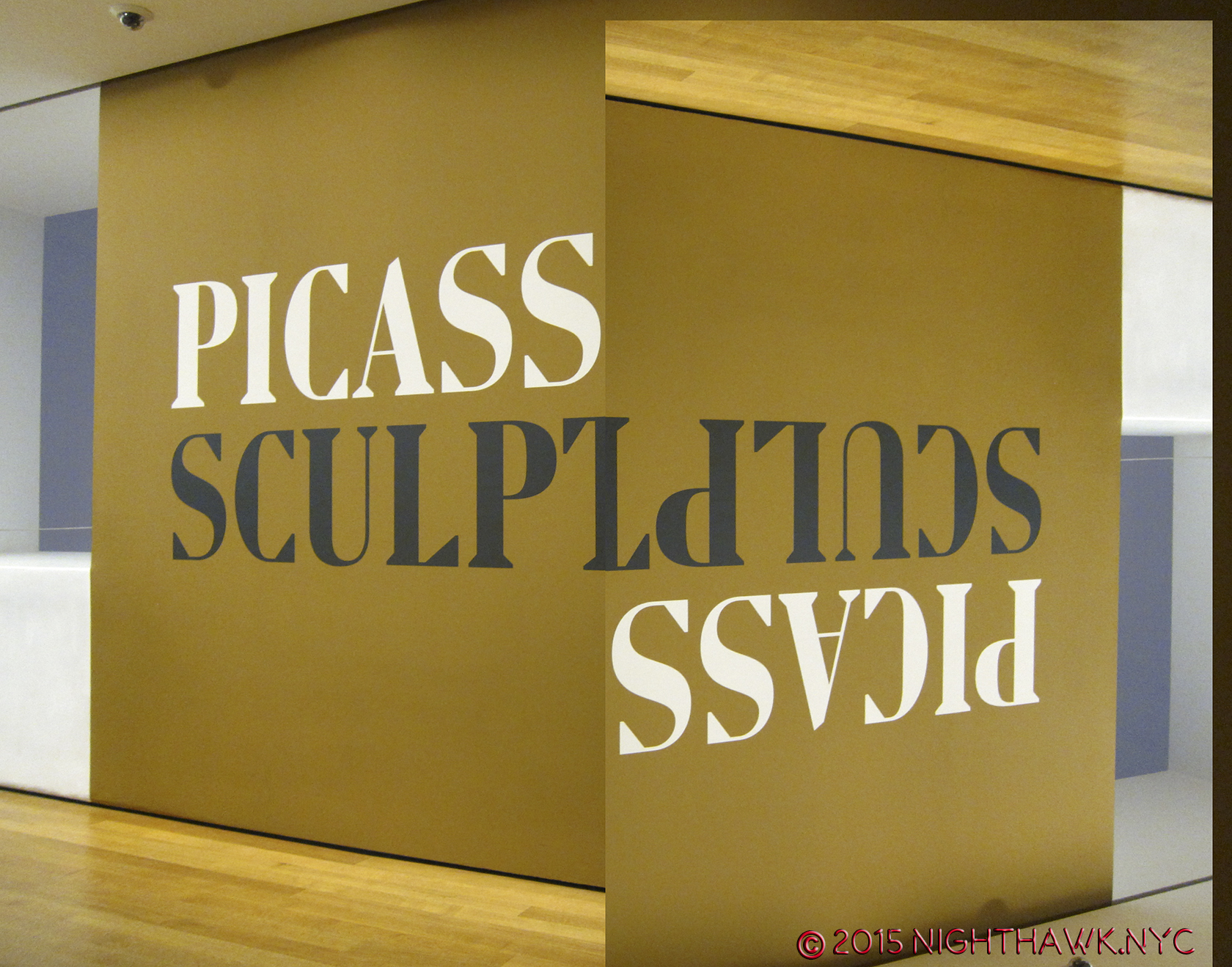
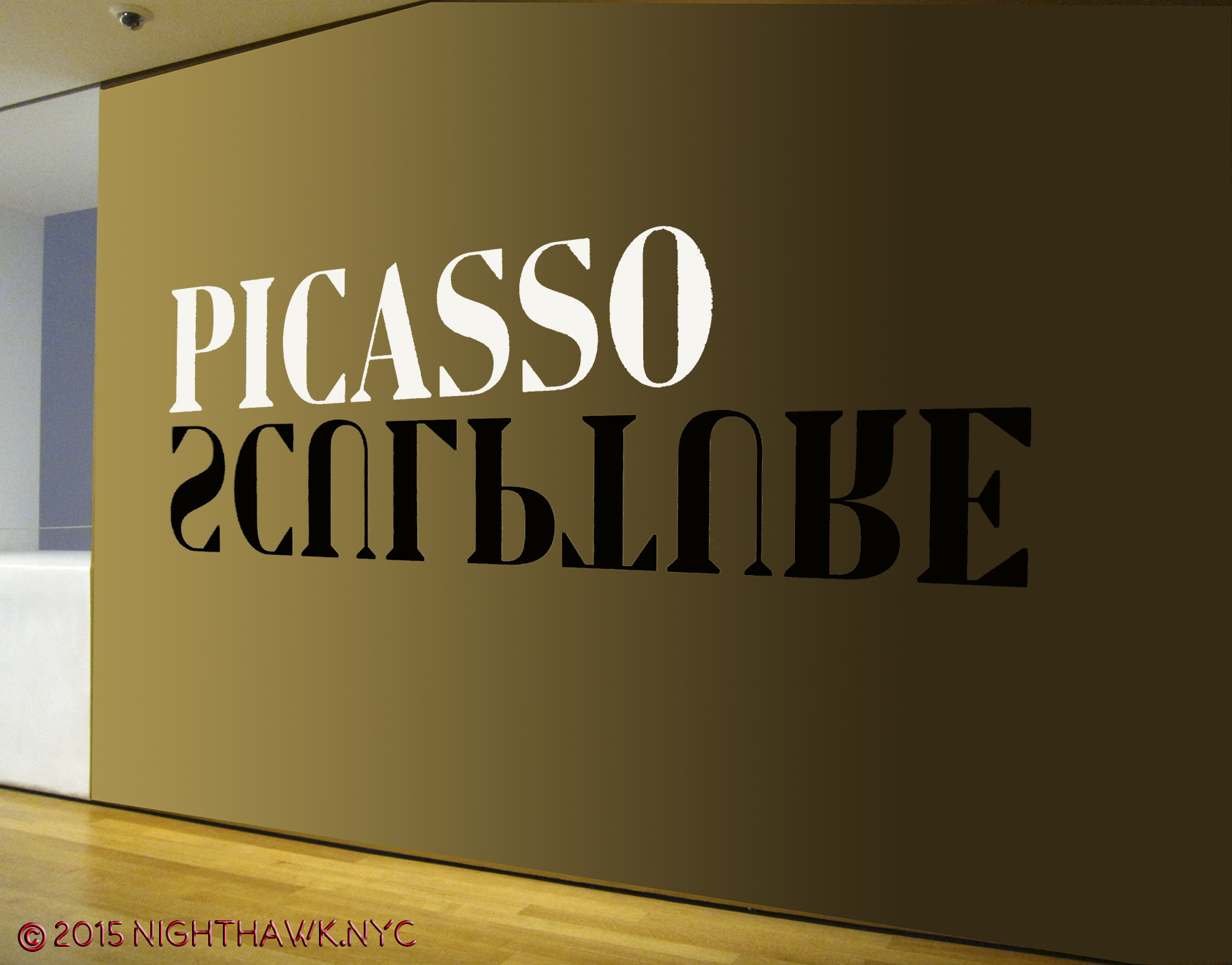
Picasso: Sculpture (MoMA)- If he had never done anything besides paint, Picasso would be considered among the all time Masters. But, noooooooooooo… Picasso was, perhaps, the most unique genius in (known) art history in that his genius was among the most restless. He almost never stopped creating, and he never stopped seeking new outlets for his creative vision. Consider- PICASSO HAD NO TRAINING AS A SCULPTOR! NONE. Yet, that didn’t stop him from becoming, perhaps, THE most revolutionary sculptor up to his time. There is so much great work to see in this show, I don’t even know where to start talking about it. “Picasso: Sculpture” shows us the naked face of endlessly creative genius the like the world has never seen. I’ll sum it up by saying virtually all of it is wonderfully selected, though some of the Cubist works here don’t stand up to his paintings, in my opinion, and wonder- When will we see his like, again? The “other” takeaway, for me, is- Oh…MoMA. I miss you. About as much as I miss your “old” building.
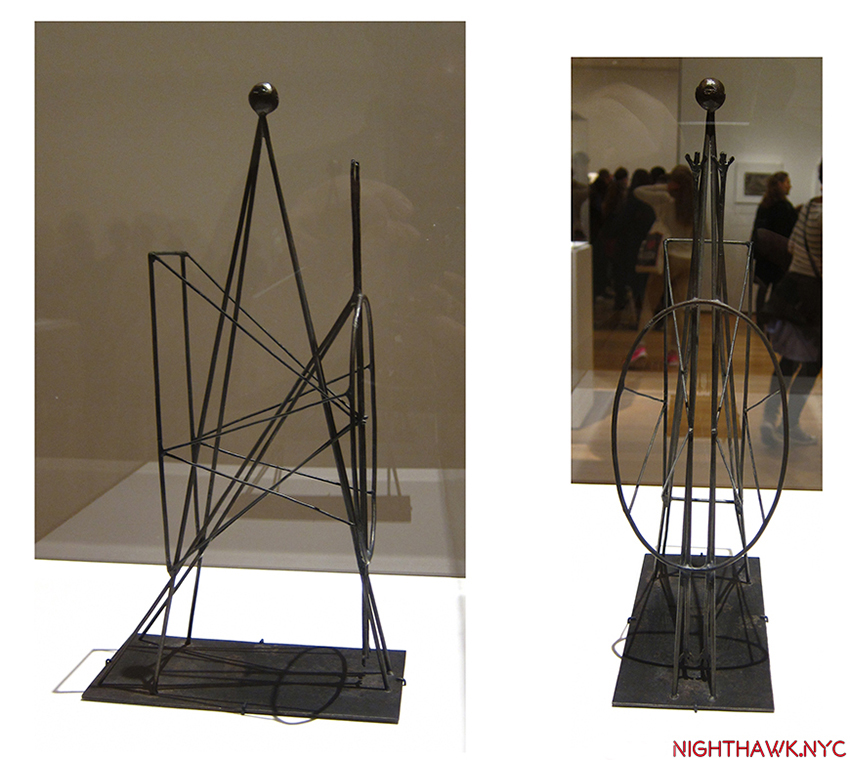
Standing Figure in Wire, 1928. Unprecedented. Astounding.
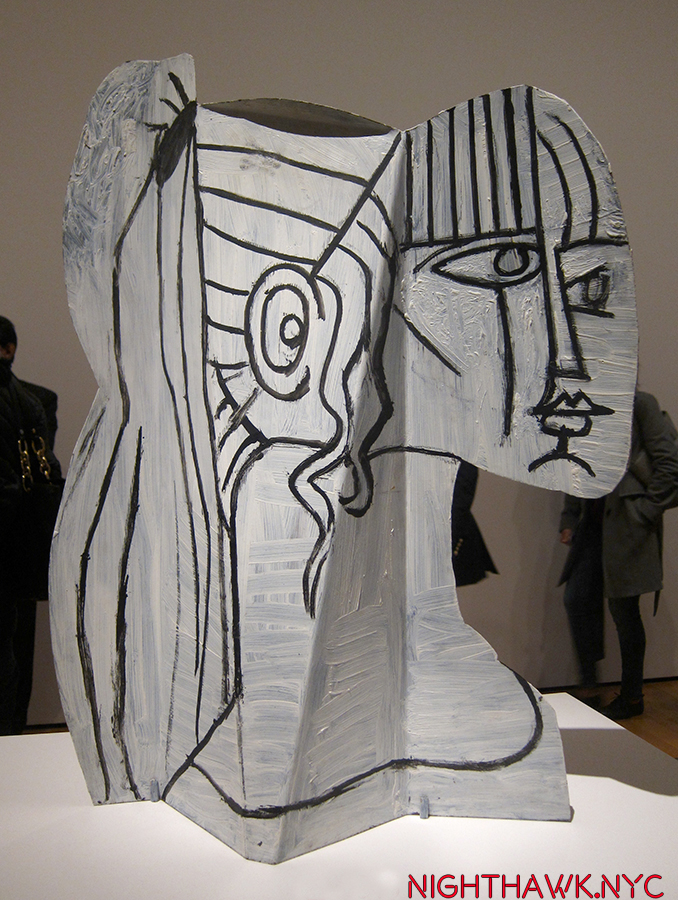
Sylvette, 1954. “I see you slightly folded…in steel, my dear.” Picasso must have said.

America Is Hard To See (Whitney Museum)- I’m saving my thoughts on the “New Whitney” Building (UPDATE- They may be seen here.), but the opening show in the new place was a wonderful “Welcome Back” to one of the first 3 of NYC”s Big Four Museums and a reminder of its world class (and first anywhere) collection of American Art. My personal highlight? The first floor gallery featuring a selection of Hopper Drawings done at the Whitney Studio which predated the Museum, and the absolutely mesmerizing portrait of Museum founder, the indomitable Mrs. Gertrude V. Whitney (also an overlooked sculptor) that looked out at Gansevoort Street, and for my money? SHOULD HAVE BEEN LEFT RIGHT THERE- PERMANENTLY! It wasn’t.
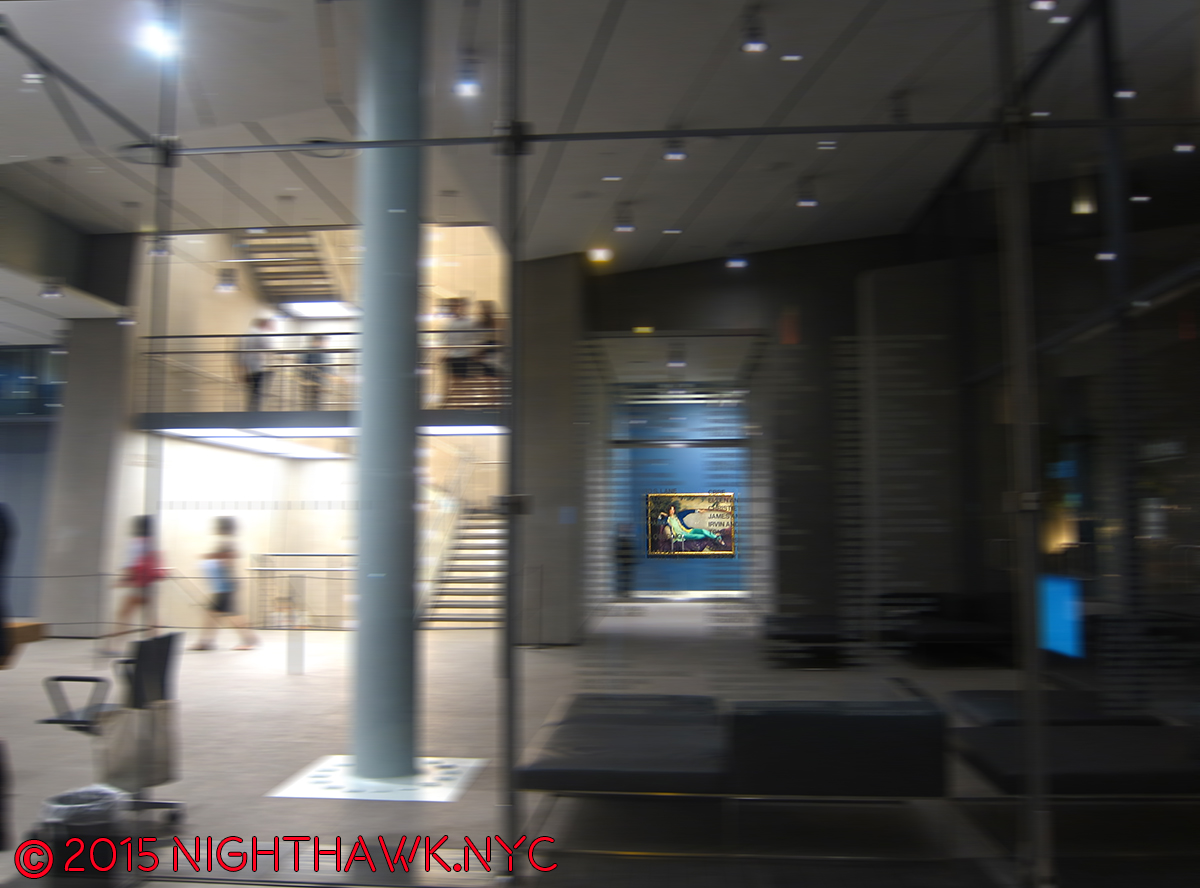
IMG_0992PNH

Frozen in time. Mrs Gertrude Vanderbilt Whitney looks out on the new home of the collection she started.
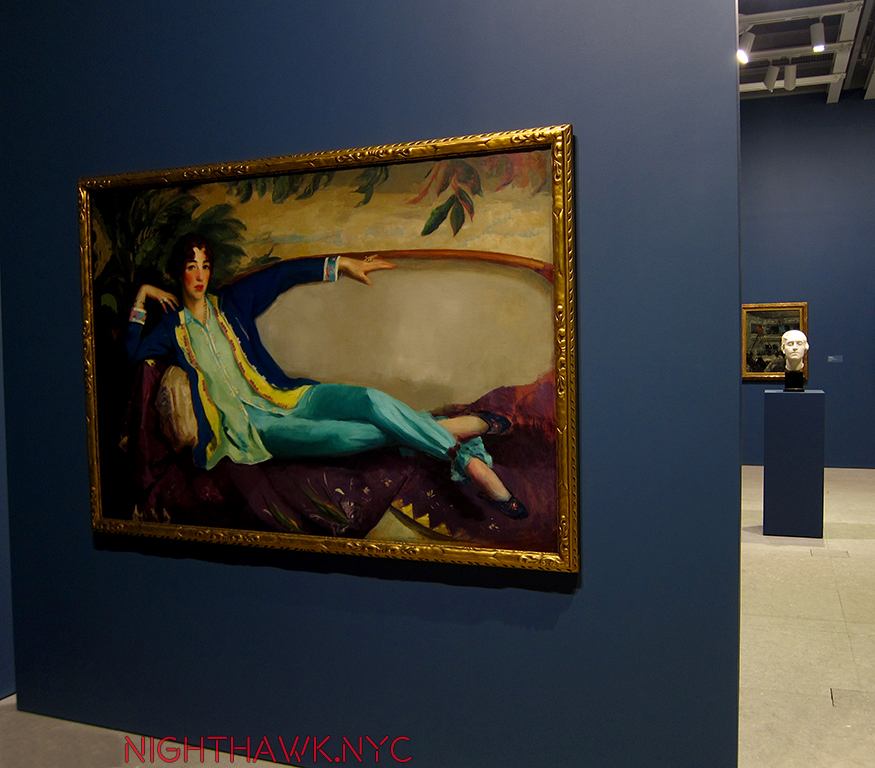
Mrs. Gertrude Vanderbilt Whitney by Robert Henri, 1917, with her Study for the Head of her Titanic Memorial from 1922, right. Yes. She was a sculptor, too.
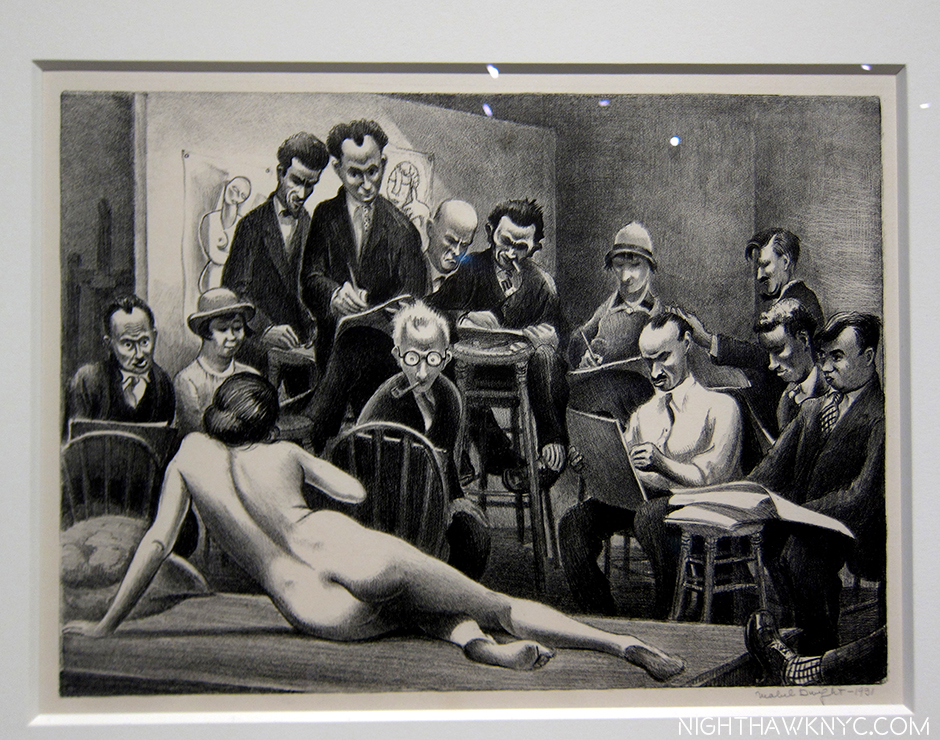
Before the First Whitney Museum opened in 1931, there was the Whitney Studio Club, where artists came to draw from the model. See that guy to the left of center rear with the light shining on his bald head? That’s Edward Hopper, a regular. That’s why his estate was left to The Whitney. Litho by Mabel Dwight, 1931.
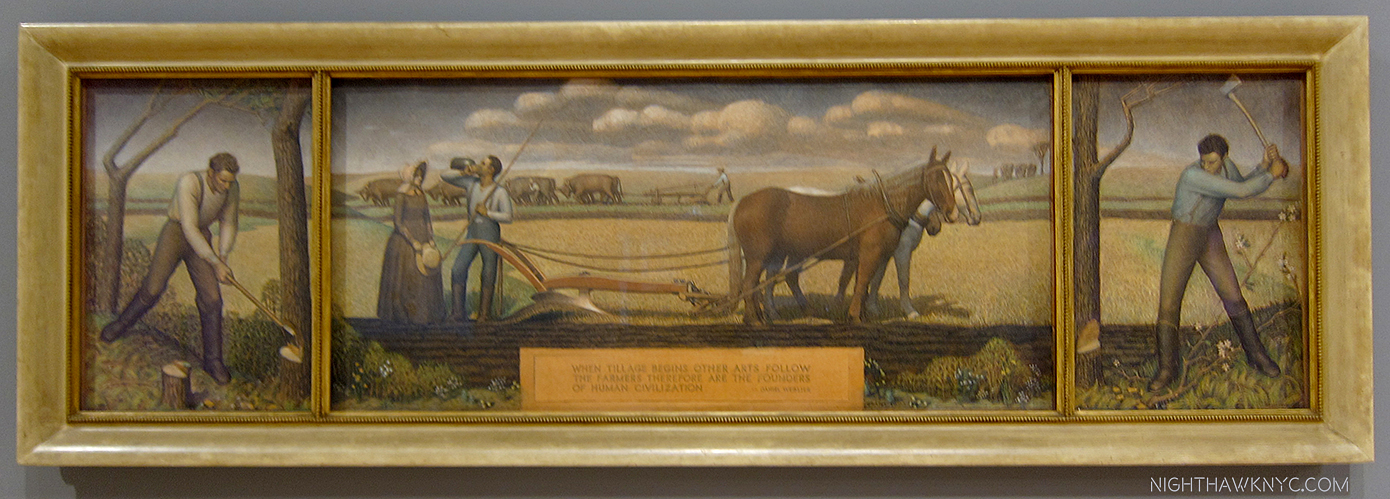
America is hard to change. Excellent, rarely seen, works by Grant Wood, Study for Breaking the Prairie, 1939,…
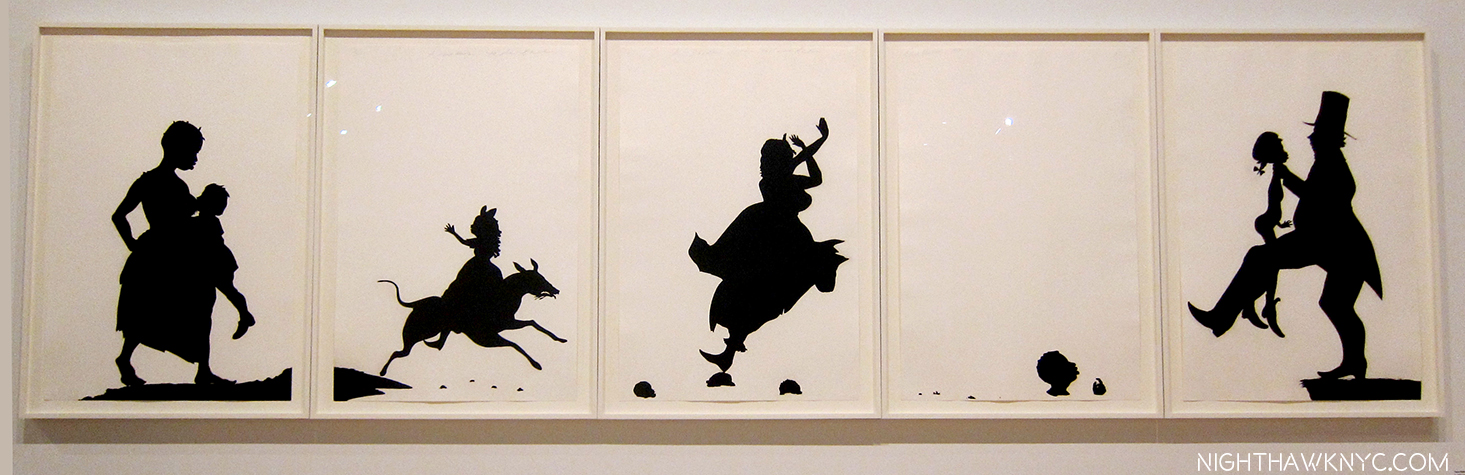
…And Kara Walker, A Means To An End, 1995, struck me as serendipitous.
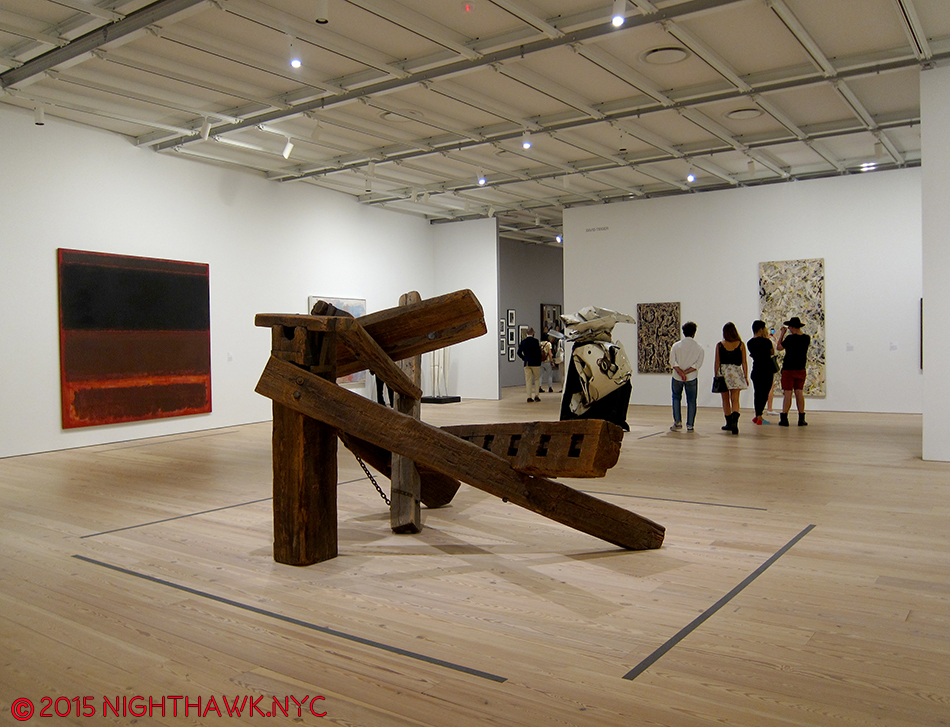
IMG_0967PNH

America: Seen everywhere. Inside- Rothko’s Four Darks in Red, 1958, Pollock’s Number 27, 1950, Chamberlain, Jim, 1962 & Guston’s Dial, 1956…
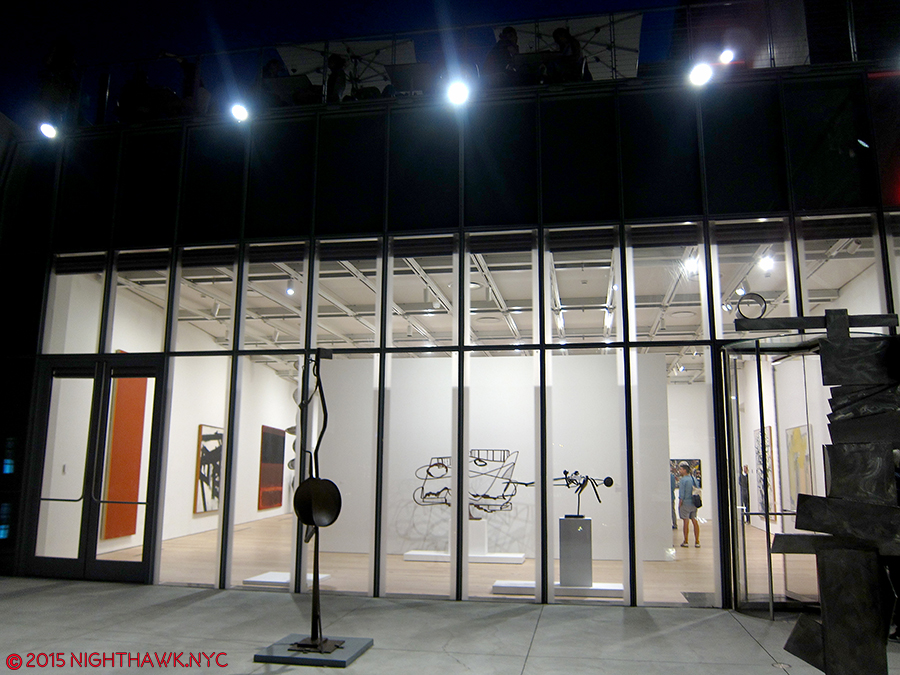
IMG_0940PNH

…And, Outside- sculpture from one of the countless roof decks.

“And I’m still not trough I ask myself,
what would you do if you had more time
The Lord, in his kindness
He gives me what you always wanted
He gives me more time.”*

I end this section honoring two endlessly creative American “painters,” featured in very very good shows. Like Richard Estes, these two artists also put that “more” time of a long life to superb use. Yes, despite evidence to the contrary, they both consider themselves to be painters. To me, the “lessons” of their lives, how they were able to survive following their star in this country for so long, may prove to be as important as their considerable artistic legacies.

Robert Rauschenberg- Anagrams, Arcadian Retreats, Anagrams:A Pun (Pace 534 West 25th, Chelsea)- Presaging Photoshop, the late, great Mr. Rauchenberg continues to speak to our times though he, unfortunately, left us almost 7 years ago. Light years ahead of his times, throughout his life,  Anagrams…, a show of Mr. Rauschenberg’s final development, shows that once again, his work will look “contemporary” for years to come, and more amazingly, I think it will be as relevant as what anyone else is doing at the moment! As I just said, he represents something of an American miracle- an artist who was able to spend virtually his entire life creating EXACTLY what he wanted to, answering to no one but himself. That sure must seem miraculous to today’s American artists. Interestingly, like Mr. Estes, the works here are based on Mr. Rauschenberg’s own photography, to very different results. Unlike Mr. Estes, Mr. Rauschenberg’s are directly transferred to the piece, though with such skill and subtlety they have the effect of melting into the others they’re surrounded by. A surprisingly fresh, visually rich, often beautiful show who’s spell will call me a few more times before it ends on January 16. And then, I will miss it, but it will have changed the way I see the world, like Richard Estes has.
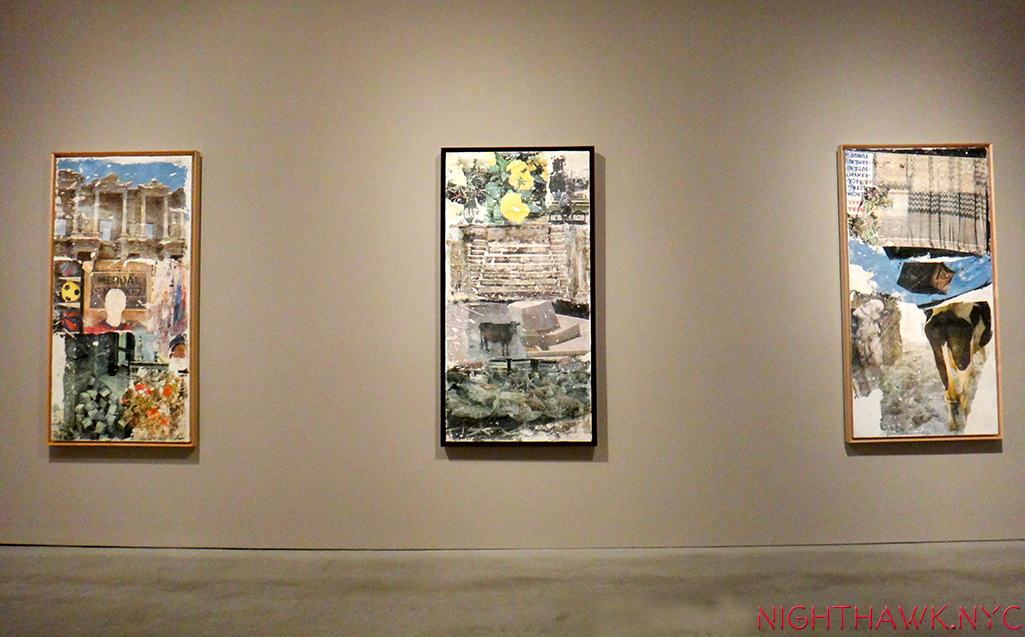
Rauschenberg @ PACE. I just loved this show.

Frank Stella (Whitney)- An art mover’s nightmare of a show, the Artist’s helpful hand notated directional markings seen on some of the pieces notwithstanding, it must have been hard for Mr Stella, himself, to narrow his 50-some year career down to one floor at the New Whitney, handsomely displayed in the still-new space. With only one Moby Dick piece in sight, the take away for me is that here is a Triumphant overview of another rare American artist who continues to explore and evolve, fickle times and the “harpoons” of even more fickle critics & collectors be damned. Mr. Stella has devoted his career to the eternal pursuit of finding new possibilities, “new spacial complexities” 2, for the Art Form of painting. Some of these sure look like sculpture, but I’ll bow to what he says on one of the show’s signs- “Q- You still call these paintings? A- Yes. They are, in fact, paintings.” Remarkably, as he closes in on 80 this May 12, Mr. Stella continues to “start over,” as Richard Meier says on the audio guide, eternally following his muse, breaking painting out of 2 dimensions, to lord-only-knows-where-next. In this show’s case? The Journey IS The Destination. Mr. Stella strikes me as a master conceptualist with an endless font of making the unlikely, and especially the unthought-of, real. Forget this show’s afterthought of a catalog, for me, his value, “message” and influence lie in the sheer physical experience of his work- they simply must be seen, and often, walked around like sculpture to be fully appreciated. Who else “paints” like this? If you go, and you should, check out the great quotes from Mr. Stella on the wall signage- “What you see is what you see.” And then some. What I saw was a show to fire your creativity, and inspire you to see new possibilities in anything, if there ever was one. You still have a few days left to see it before it closes after February 7. Then, the art movers get to pack it up and move it out. I would pay to watch that.
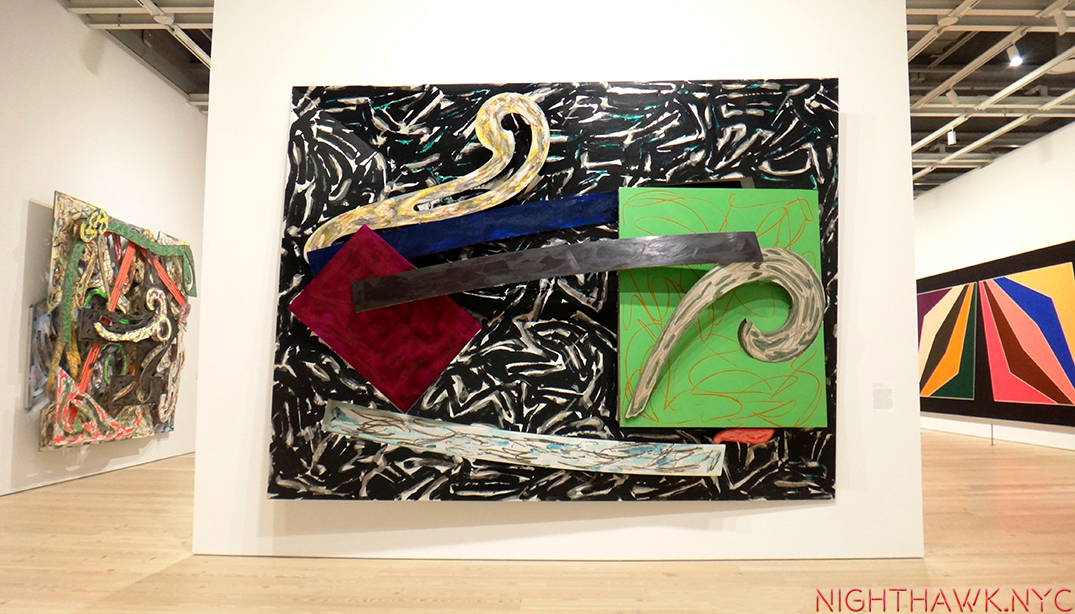
50+ years of “starting over.”
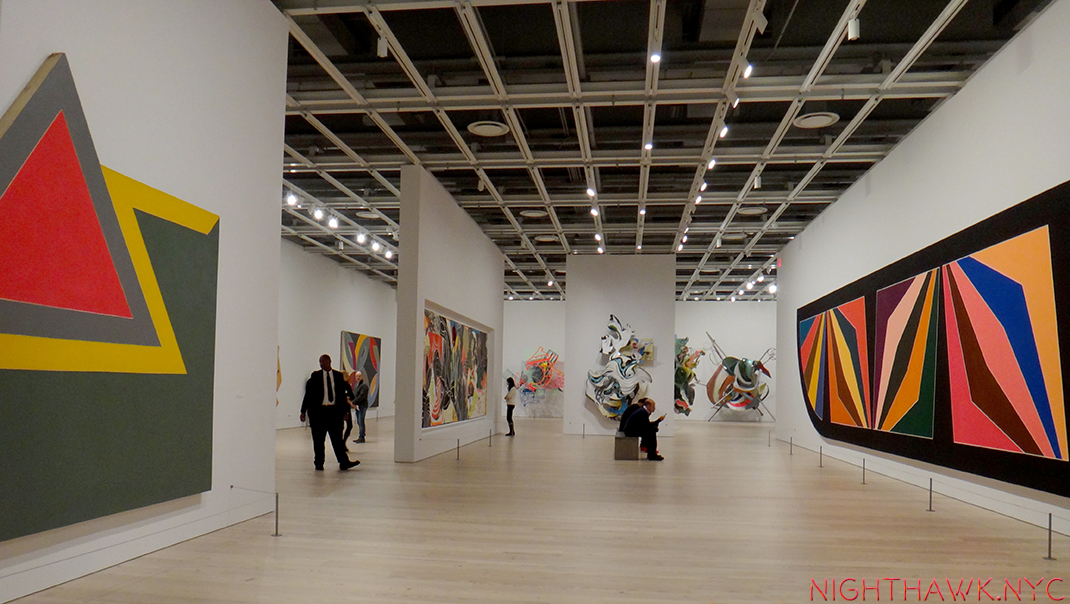
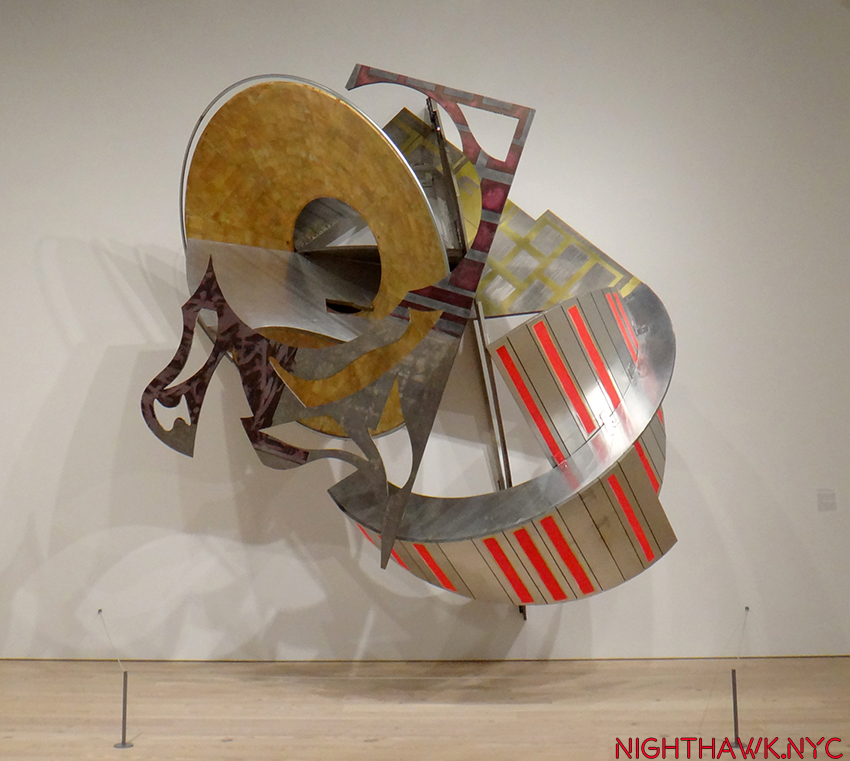
“Toto, We’re Not On Canvas, Anymore.” Stella Busts Painting Out.
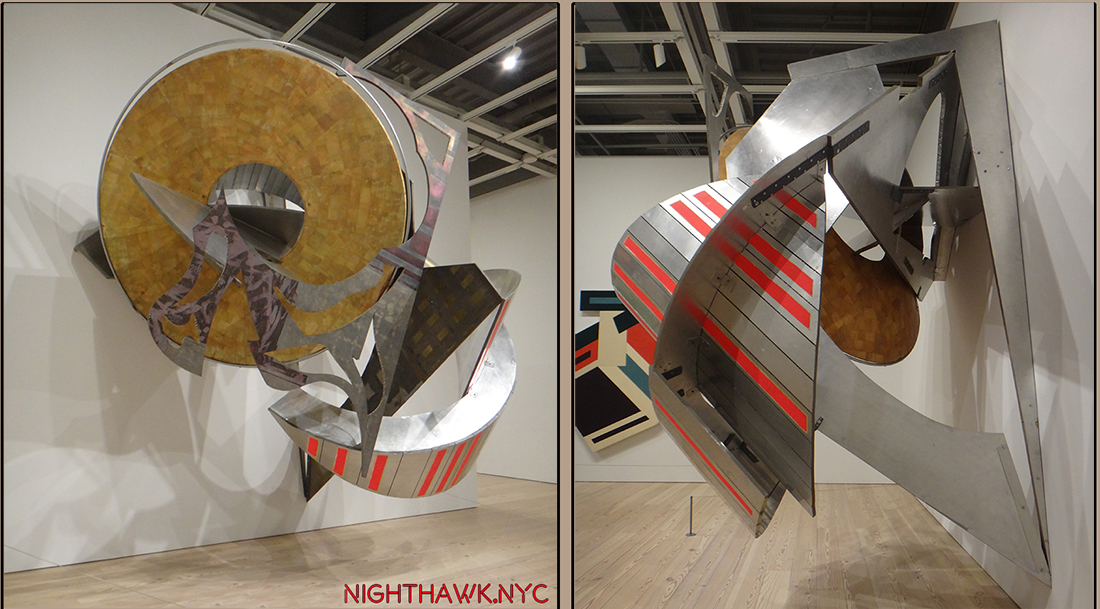
“Um..A Little Higher On The Right?”

And lest I forget…

Cubism (The Met No photos permitted.)- TM is on a mission to shore up its Modern & Contemporary Art holdings, as we will soon see at The Met, Breuer, but this show featuring works of a promised gift goes a very long way to solidifying TM’s Cubists holdings, and then some. So many strong works by the Masters of Cubism, Picasso, Braque, the underrated Juan Gris, and Leger abound, they made me wonder where TM is going to install them all when they finally get them!

Madame Cezanne (TM No photos permitted.)- Portraits are not the first thing most think of when they think of Cezanne. Many think of his groundbreaking landscapes and genius with color, but this show of his, no doubt long-suffering wife, says as much about this under known muse as it does about Cezanne. The hours she spent posing for him reminds me of “The Man in The Blue Shirt,” by Martin Gayford about sitting for Lucian Freud. The show is a striking look at another side of this master of impressionism, and gives us rare opportunities to see 4 versions of a painting reunited, and Cezanne’s actual sketchbooks. A rare treat for the lover of Impressionism, portraiture and great Art.

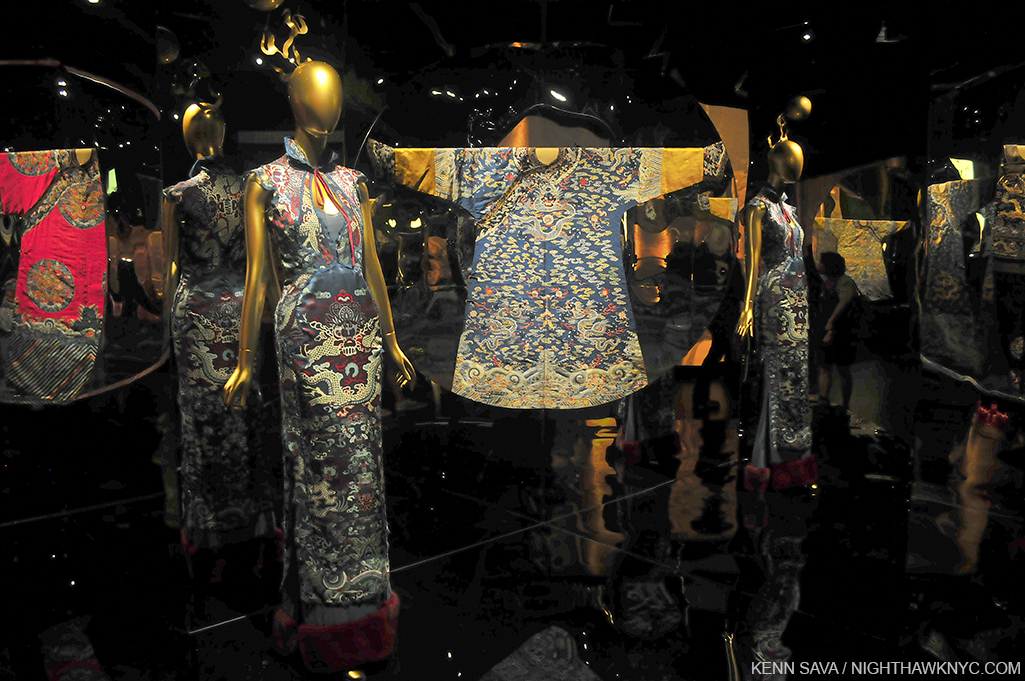
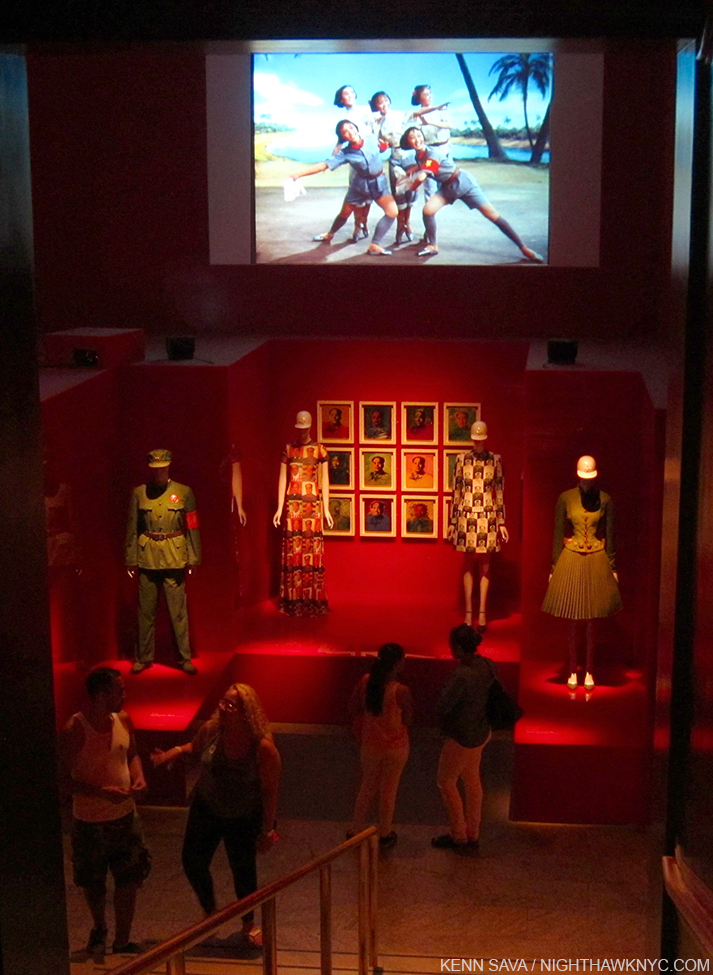
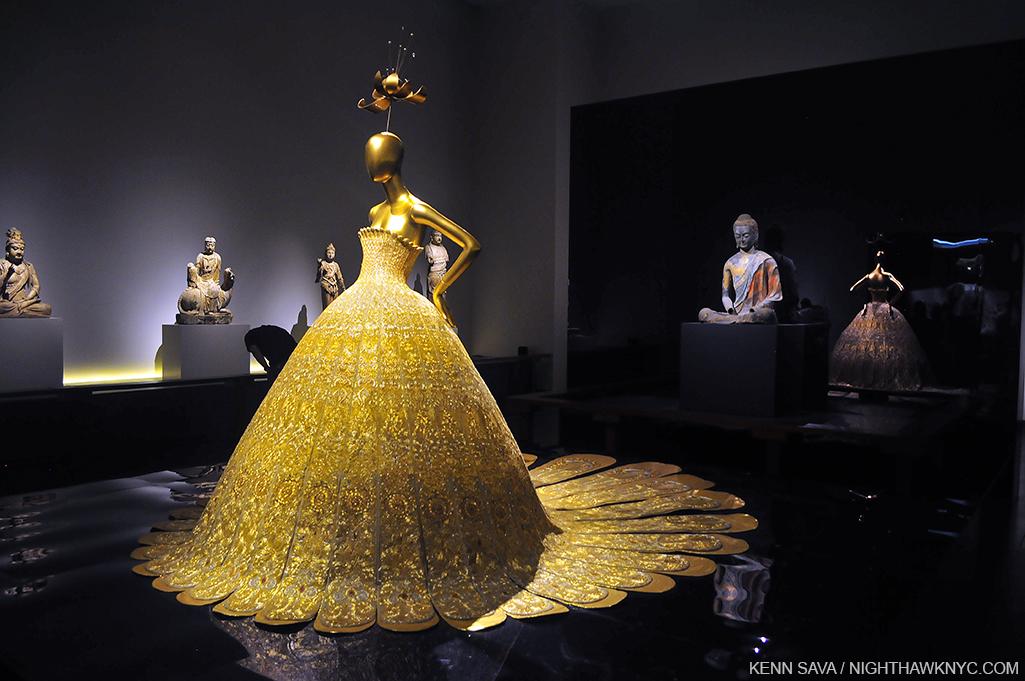
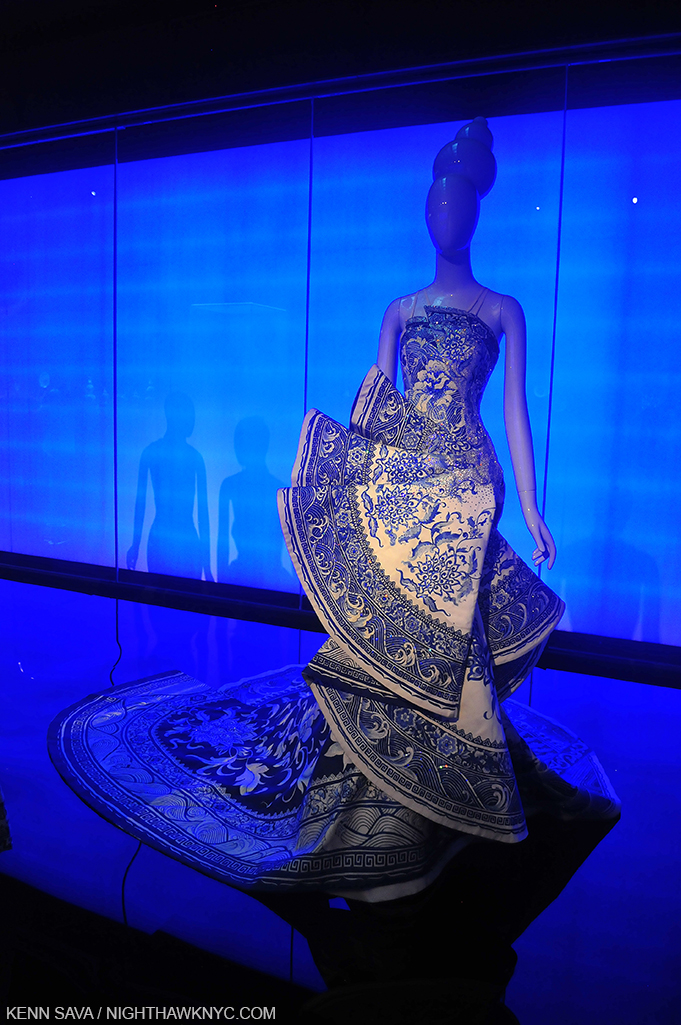
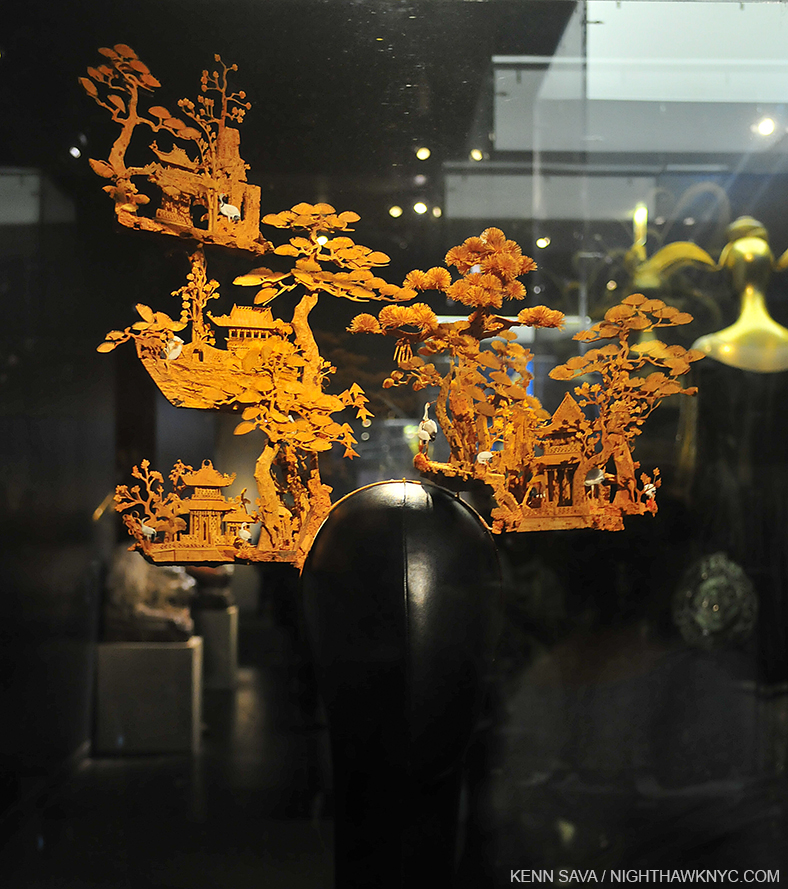
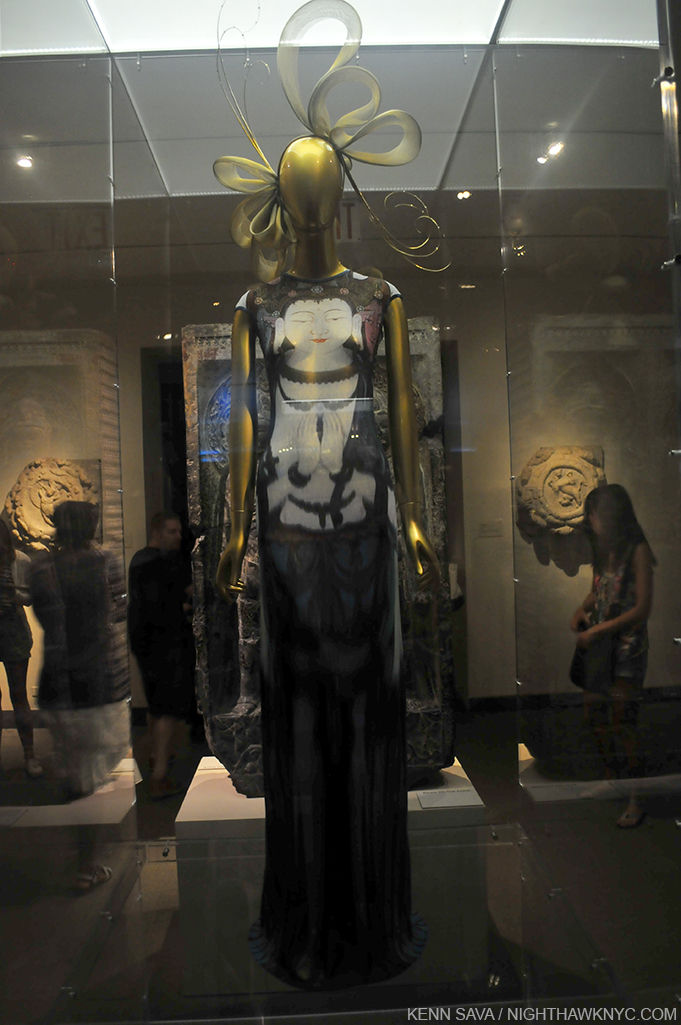
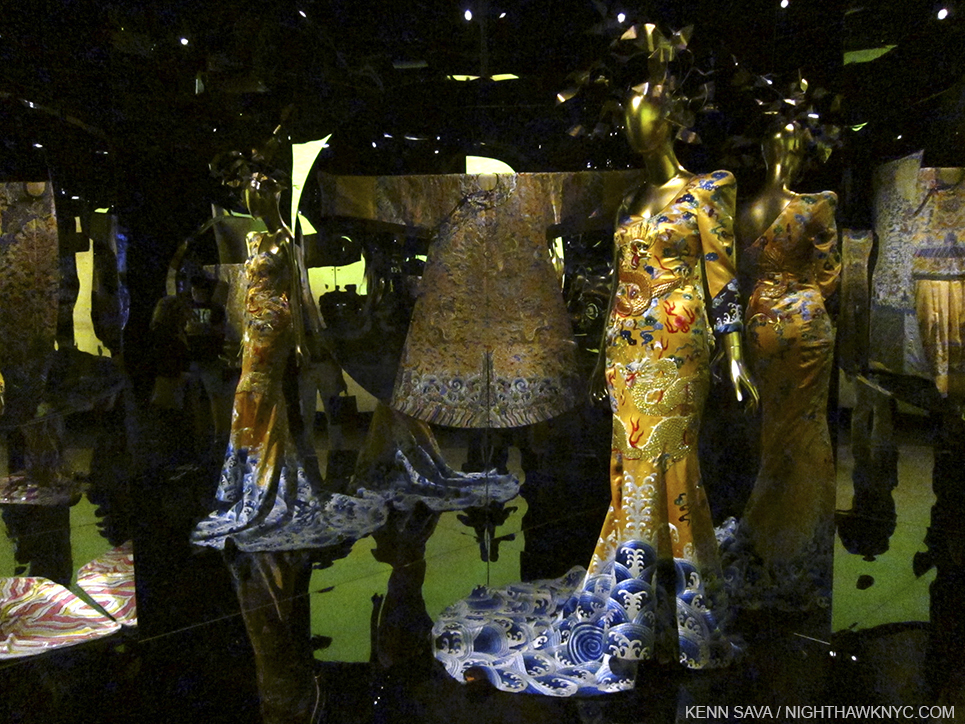
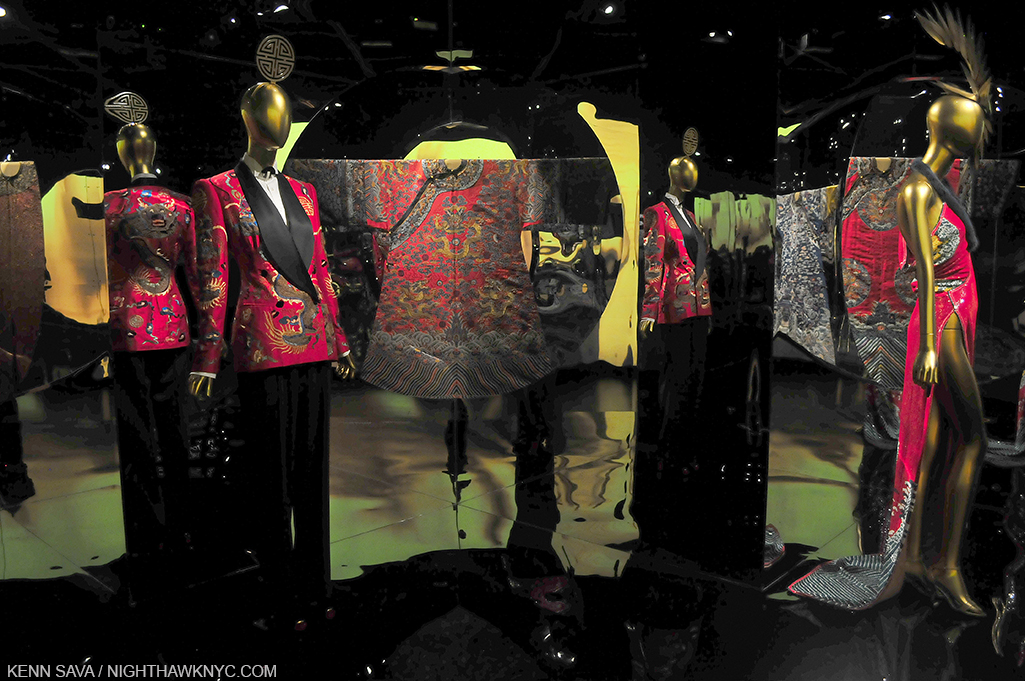
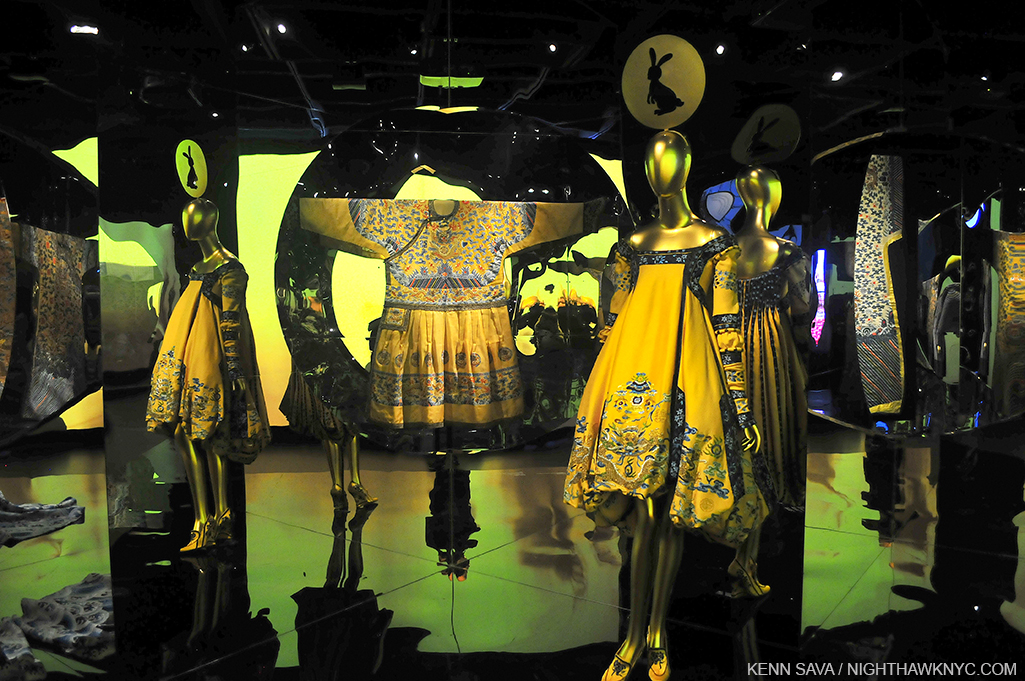
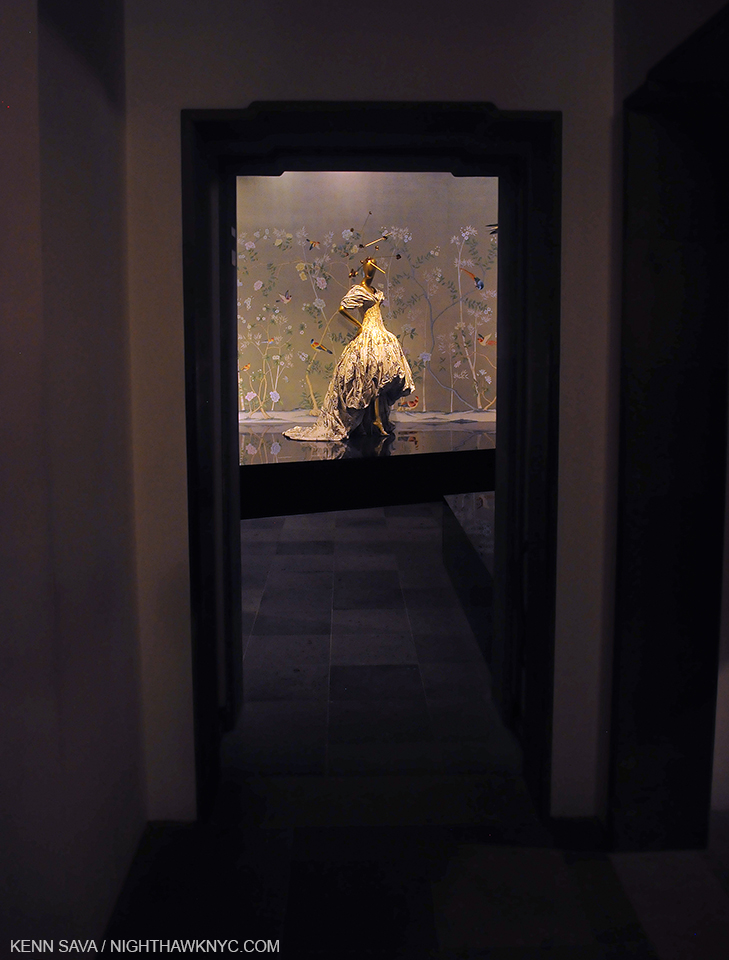
China Through The Looking Glass (TM)- Except for Picasso: Sculpture and Goya’s Los Caprichos, the above shows are painting shows, my true love, but CTTLG is in a category all its own. ANY show that can get TM to stay open till Midnight has to make the Nighthawk’s list. After setting the bar high with “Alexander McQueen: Savage Beauty,” TM’s Costume Institute topped themselves with a spectacle that the 800,000 who saw it will remember almost as long, and which will prove quite a challenge for 2016’s “manus x machina,” or MxM, as I’m calling it to equal, let alone top. I predicted 1 Million will attend it, so GO EARLY (or don’t say I didn’t warn you) & Stay tuned!

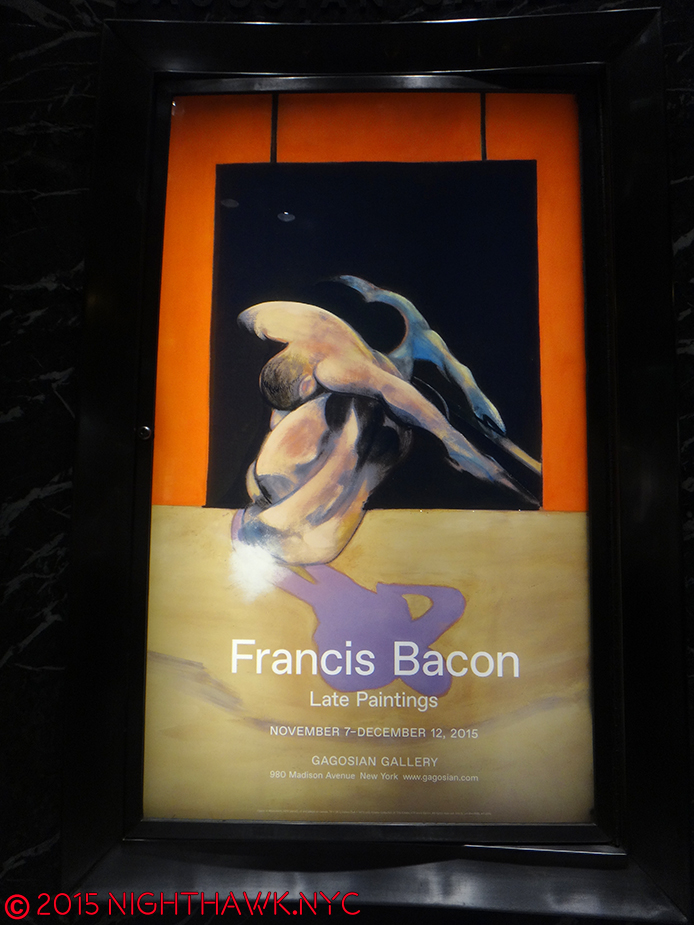
Francis Bacon- Late Paintings – (Gagosian No photos permitted.) – with one work, a triptych selling for 142 million, I can’t fathom how much 28 are worth, but here was a chance to see that many in one show, focused on the seemingly contemplative, other-worldly “late” Bacon,
DSC07520PNH

especially after seeing the following (Rembrandt show) on the same day, which brought to mind subtle, fascinating convergences- self-portraits, multiple views, or states, for Rembrandt, diptychs & triptychs for Bacon, among them.

Rembrandt’s Changing Impressions (Columbia U.)- In lieu of the “big one” I missed (see below), this was a closer-to-home chance to see 50 or so prints by the Master and a rare chance to see various “states” (versions) of works side by side. A bit light on the most well known of Rembrandt’s etchings, but very worth 4 visits none the less.
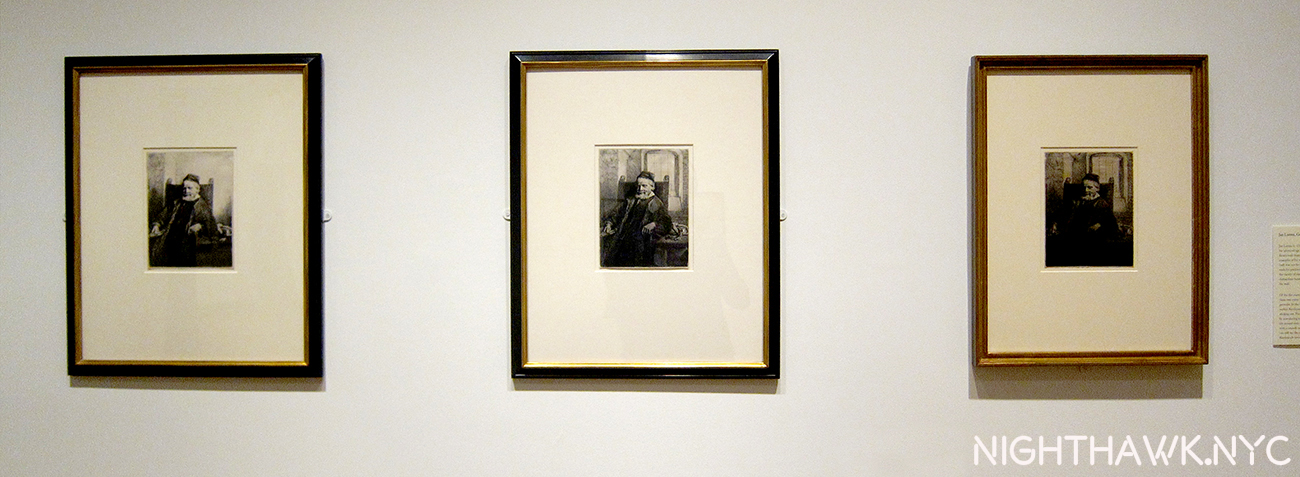
Not a triptych. Rembrandt creates 3 masterpieces from one composition.

Chuck Close Recent Paintings (Pace 534, Chelsea)- I met Mr. Close, briefly, but in spite of the fact that he is one of the greatest portraitists of the 2nd half of the 20th Century+, I know he won’t remember my face. He has Prosopagnosia. He’s ALSO paralyzed and in a wheel chair. I never cease to be absolutely astounded at what he achieves and what new ground he breaks. Already a Master before his brain aneurysm, which would have stopped 99.5% of anyone not named Chuck Close, he’s gone on to create ever new works that continue his life long exploration of his famous “grid technique.” These works add even new elements- new palettes, a new approach to focus and depth of field, and more.

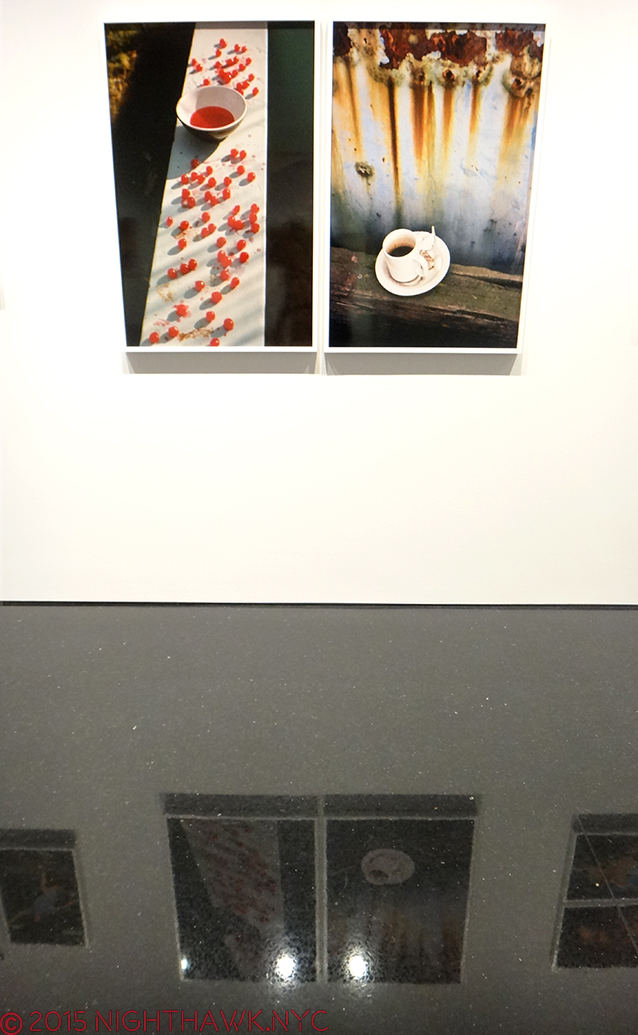
Linda & Mary McCartney (Gagosian Books)- If they had taken down all the title cards, removed the iconic shots among Linda’s, and you walked in without knowing which work was by who- Linda McCartney, or her and Paul’s daughter, Mary, you’d never know. That’s how amazingly symbiotic the eyes of the two photographers are. They see as one. Walking out, and I say this with nothing but respect, it really felt like Linda had never passed away. That her work continues. I’ve never seen anything quite like it.
DSC07609PNH

The daughter reflects well on her famous mother.

George Caleb Bingham (TM)- The year’s “sleeper” pick. I don’t know if he ever met Mark Twain, but if Mr. T. ever wanted an artist to illustrate “Huck” or “Tom Sawyer?” G.C.B. would get my vote. His work captured what it was to live on the River the way only Twain, himself, has, and makes a contribution to laying the ground work towards defining a truly “American” style of painting, and by the Mid-Nineteenth Century? It was about time! TM’s show reveals him to be something of a predecessor for that other great American 19th C. portraitist, Thomas Eakins, but with a style and a power of his own that still holds up.

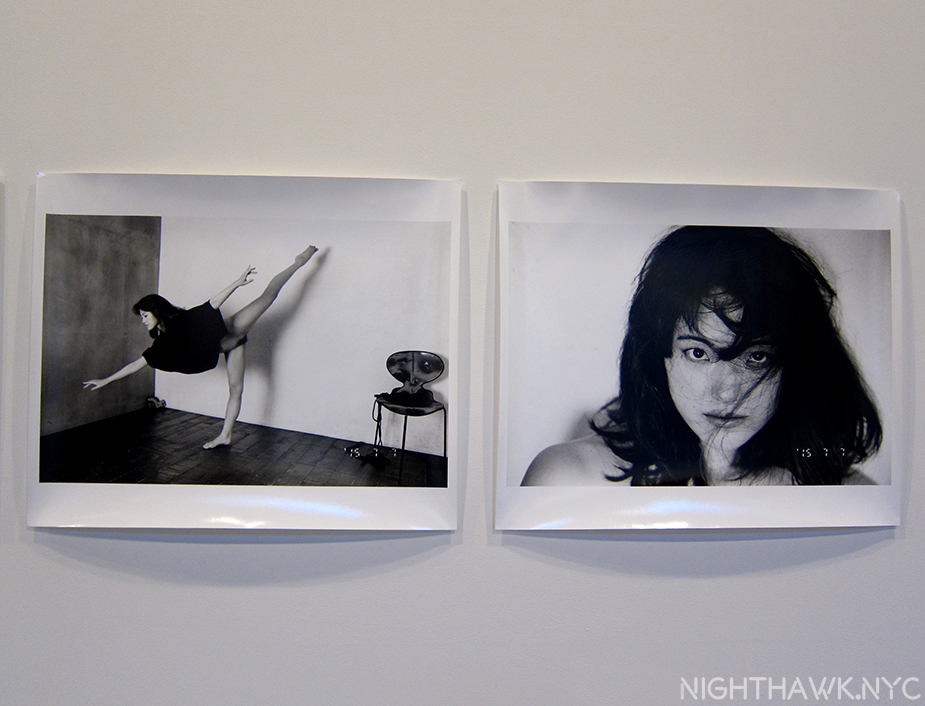
Araki (Anton Kern, NYC)- He lost his wife…he gets prostate cancer…he says he no longer has sex…Nothing stops the indefatigable, legendary Araki. Don’t let the “casual” taping of the photos to the wall fool you- I found this show striking, poignant, meditative and moving. The images flowed one to the next, sometimes in harmony, sometimes in dissonance, but all of them speak with that sense that only Araki has. Some will say he’s a misogynist. I’m not a woman but I disagree. I see beauty and poetry in his shots of women. Reading some of the press materials on hand, I was struck by his comment that he had sex with most of his models. I couldn’t help wonder- Does that include Bjork? Live long, and much health, Araki.
Also lingering in my mind, tormenting me with what I missed, are the ones that got away-

Late Rembrandt (Rikjsmuseum, Amsterdam)- I agonized about going. For months. Like I agonize about Frank Gehry at LACMA right now! (Hello, Sponsorship?)

Bjork (Moma)- Sold out when I went. Bad reviews be damned, I love Bjork.

Overall, it was a good, but not great year. Still, these 17 shows had real staying power and lasting influence. I’m grateful that in NYC, we still have so much to see. As I said a few posts back, I live in mortal fear of missing a great show- Like all those I missed this year because I never knew about them, and still don’t.

As I look back on 2015, the Idea of great Art is what lingers in the mind, inspires, even instructs. The experience, talent and creativity of a great Artist speaks to the highest & best of mankind, in ways the rest of us can, perhaps, relate to, learn from, and even aspire to. As Mr. Pousette-Dart cosmically said-
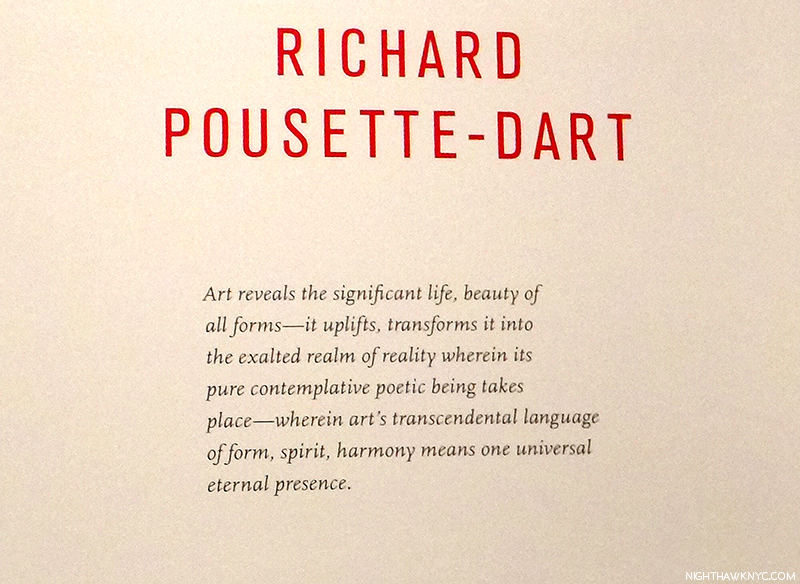
 

In these times of so much senseless hatred, violence and the worst of human kind on display, we need this more than ever.

*Soundtrack for this post is “Who Lives, Who Dies, Who Tells  Your Story?” from the 2015 album I listened to the most, “Hamilton– Original Broadway Cast Recording, by Lin-Manuel Miranda.

NighthawkNYC.com has been entirely self-funded and ad-free for over 7 years, during which over 275 full length pieces have been published. As I face high expenses to keep it going, if you’ve found it worthwhile, please donate to keep it up & ad-free below. Thank you!

Written & photographed by Kenn Sava for nighthawknyc.com unless otherwise credited.
To send comments, thoughts, feedback or propositions click here.
Click the white box on the upper right for the archives or to search them.
For “short takes” and additional pictures, follow @nighthawk_nyc on Instagram.

Subscribe to be notified of new Posts below. Your information will be used for no other purpose.
  1. Remember- Charlie Chaplin, Hitchcock, Fellini, Orson Welles, Akira Kurosawa, Ingmar Bergman or Stanley Kubrick, among others, never won an Oscar for Best Director! I rest my case.
  2. as is said on the audio tour, #508

13 Years At The Metropolitan Museum – Part Two – The Light

This site is Free & Ad-Free! If you find this piece worthwhile, please donate via PayPal to support it & independent Art writing. You can also support it by buying Art & books! Details at the end. Thank you.

Written & Photographed by Kenn Sava

This is Part Two of my ongoing series, “Thirteen Years At The Metropolitan Museum.” Part One is here.

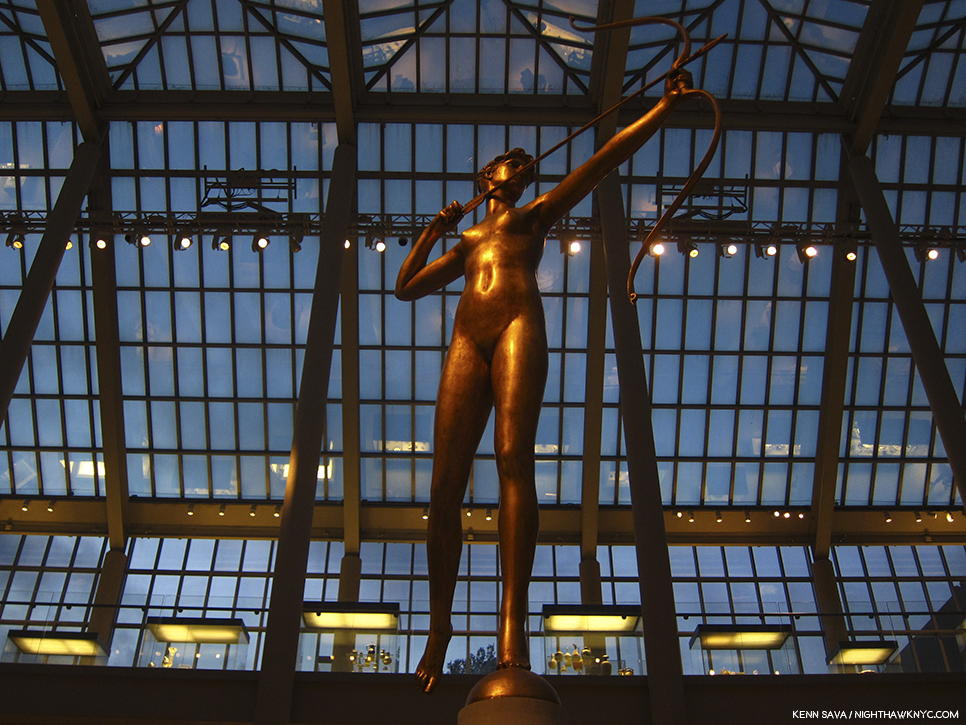
Her Aim Is True. With an arrow to my heart, Saint-Gaudens’ Diana points the way to the undiscovered land.

It happens more than I’d like.

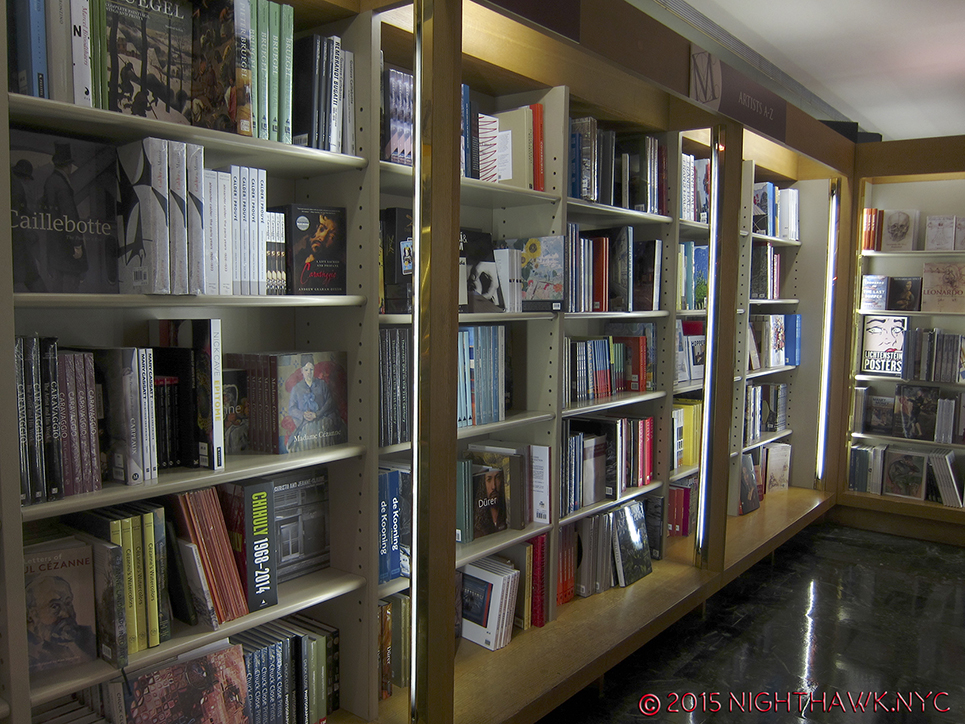
I stop into the bookshop every time I go to The Met (TM), either on my way in, or out. As these 13 years have gone on, unfortunately, it’s become one of the few decent art book stores left. They have a good stock of current and new art books and, of course, a very good supply of Met Museum Publications. Nothing old or out of print, still, I always find something of interest, either about whatever artist I’m currently fixated on (there’s always at least one), or someone I’m only discovering through a show, or right there on their shelves.

My apartment. Almost. No, it’s The Met’s Bookstore.

Then, it happened.

I picked up this heavy hardcover called Portraits By Ingres. Ingres. Yes. There are a few of his portraits upstairs in the European Paintings Gallery and an amazing one, which has become my very favorite painting in The Museum, in the Robert Lehman Collection Galleries. I start looking through the book. There, on page after page after page are THE most incredible drawings I may have ever seen! What? I’m amazed. Astounded. The line! The delicacy. He knows exactly what to leave out and still, somehow, capture the essence of his subject’s face, like in Chinese or Japanese painting, but more so. He’s using graphite. No washes, no ink, no nothing. The most amazingly beautiful lines I’ve ever seen on paper.

How did I not know about this?

Since the book is old, it’s on sale. How old is it? I look at the publishing data. “Published on the occasion of Portraits by Ingres at the Metropolitan Museum October 5, 1999 through January 2, 2000” (You can actually download it now, direct from TM(!), here, for free.)

UGGGGGHHHHHHHHHHHHH! You mean, this was A SHOW?

AND? I MISSED IT?????

Oh my god… ….. ………….

And, that’s how I discovered THE WORST feeling I ever get when I to go TM. While Portraits By Ingres is the “big one that got away,” unfortunately, it’s happened more than once. And that’s only in the recent past.

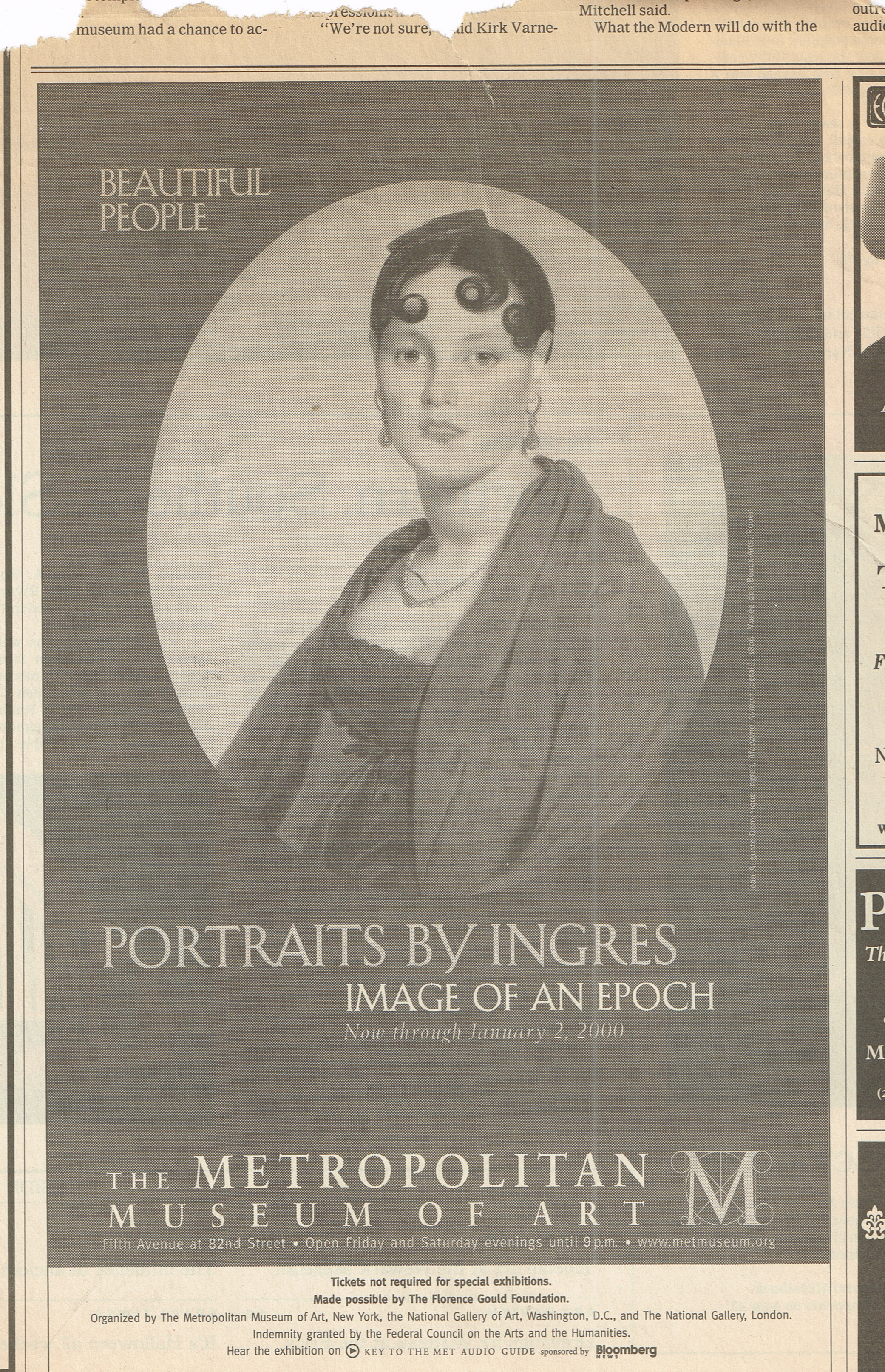
Portraits By Ingres NYT 1999P

And? Look what I found recently on the back of an article I saved in the NY Times from 1999. History tugged my sleeve…and now mocks me.

Since then, I live with a terrible fear of missing a great show. Why? When a show is over? It’s gone…forever. It “lives on”, but to a much lesser extent in exhibition catalogs (thank goodness!) and through websites, online videos, maybe an app or two, but that’s it. The catalogs may or may not have all the works that were in the show and almost certainly won’t have them in their original sizes (maybe, one day, e-catalogs will, but the resolution of art e-books today is nowhere near there). Almost never are shows documented with a film or documentary, the way Leonardo: da Vinci: Painter At The Court Of Milan was.

In fact, I only discovered “the show of the Century,” Leonardo da Vinci: Painter @ CoM 3 days before it ended at the National Gallery, London. (It was put together by Luke Tyson, who I wrote about in Part One of this series, who is now working at TM.) I jumped on an over night flight and went straight to the National Gallery, without a ticket for the sold-out show, minutes before doors opened on its very last day. I got in (a story unto itself. The NY Giants won the Super Bowl that same night. Something crazy to watch in London). It’s the first and last time 9 of Leonard’s incomparable 17 (or so) paintings were being shown in one place. And, possibly, the first time ever both version of the “Virgin of the Rocks” were being shown together- in the same room (I had to take a step aside and pinch myself in utter amazement when I walked in to that gallery), and so much more as you can see on the checklist, here, including, astonishingly, a full size copy of The Last Supper done in 1520, shortly after the original had been painted! To think…If I hadn’t happened to accidentally stumble on that documentary at 3am on PBS, I would have missed it!

So, impelled by this fear, I have since designed each visit to TM around their exhibition calendar- I go and see whatever’s closing soonest, if I haven’t seen it already.

This has paid off, for me, in uncountable and undreamt of ways.

I have discovered countless artists I never knew about, who have enriched my life and my knowledge of art history in so many ways I can’t even count including Sanford Gifford (besides being a brilliant underknown member of the Hudson River School, he was also a Met Museum Founder in 1880), Henrick Goltzius (who overcame a fall into a fire that disfigured his drawing hand but turned that to his advantage becoming a graphic artist, perhaps, only equalled in the north by Durer), Thomas Eakins, Alexander McQueen, Christo & Jeanne-Claude (who I got to meet right before The Gates), Philip Guston, Bernini, Louis Comfort Tiffany, Chasseriau, Ellsworth Kelly, Girodet, Sean Kelly, Degas, Thomas Hart Benton, Jean-Baptiste Carpeaux, Cezanne, Antonio Canova, Liu Dan in the revelatory Ink Art in China show, Faberge, William Kentridge, Balthus, Paul Klee, Neo Rauch, among individual artists I “discovered” at Special Exhibitions at TM since 2002! Some I had heard of or knew a little about but I “discovered” them here.

As someone obsessed with Art History who draws a little bit, these artists had/have a huge and ongoing influence on me. I learned so much from all of them. They have helped me refine my focus. Before 1999 I was solely interested in modern and contemporary art. After seeing the Mark Rothko Show at the Whitney in 1998, I started to draw. Then, I realized I needed to go back through the entire history of art and learn from the masters who could draw. That led me to TM. TM led me to “the Light.”

This is not to mention artists I’ve discovered by wandering the galleries, like Ingres, Stuart Davis, Tiepolo, Remington, Caravaggio, Goya, Yves Tanguay and Juan Gris among them.

I’ve seen the light.

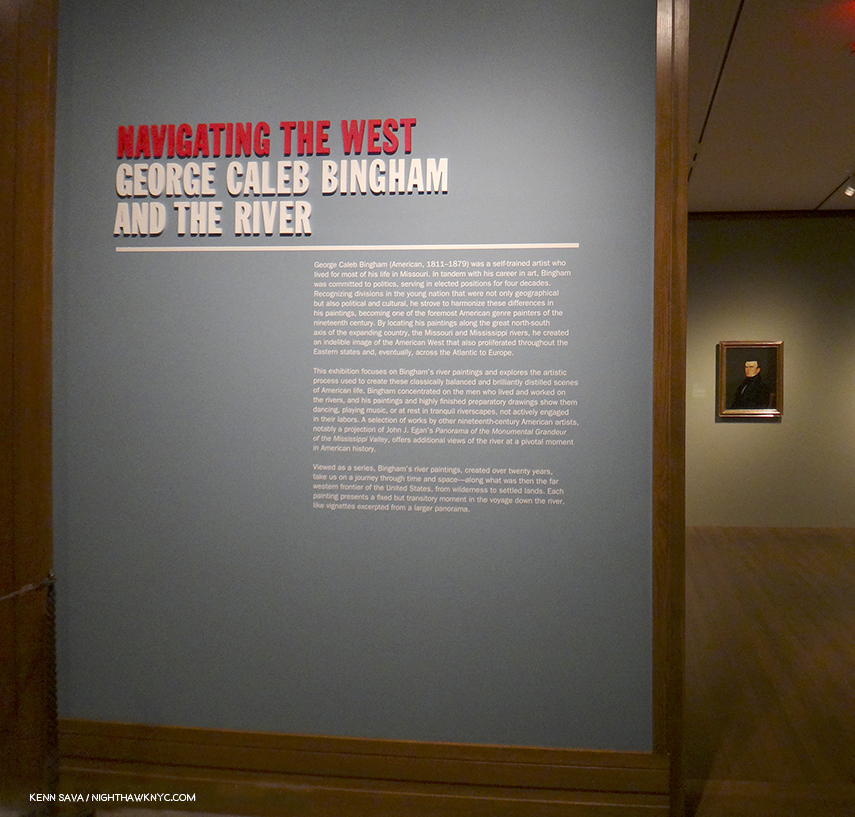
Even now, today, September 18, 2015, I returned from TM after spending a large part of last weekend there for the last few days of China, with a fresh revelation- George Caleb Bingham. Bingham. Hmm… I know of him though the one intriguing painting that’s been continually on display in the American Wing. It’s a work you walk by and always draws you closer. You ponder it and are left thinking. “It’s interesting…different…powerful and real. Bingham, huh? I don’t know him.” There’s no other by him work on view to reinforce the feeling that “I really need to look into him.” Well, maybe he was a one hit wonder.

23 year old Bingham’s Self Portrait beckons us in to “discover” his unique light.

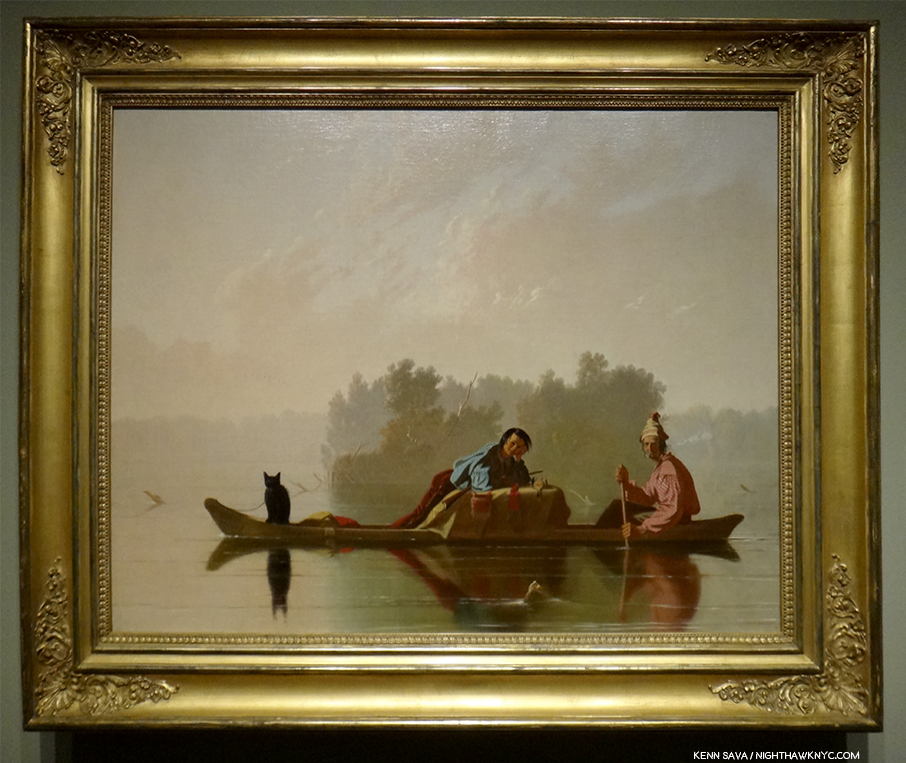
It turns out, he was far from it. After seeing his about to close show, Navigating the West featuring his River paintings and drawings, I came away struck by an artist that seems to be something of a missing link. Someone who fills in a gap before Thomas Eakins. He’s a master of the natural pose,while making that pose always seem uniquely American, a powerful draughtsman, with a real gift for setting the stage in his compositions, which often feature beautifully out of focus backgrounds years before cameras showed such things, and in ways I haven’t seen many other artists do this well. Ever since Leonardo artists have put in very realistic backgrounds, often consisting of modern towns or locations regardless of the time period being depicted (which no doubt charmed contemporaries, but always struck me as being weird and bizarrely out of place in the story). Bingham’s rarely depict a recognizable location (according to the catalog), but they add to the air of authenticity that he is trying to present more convincingly than some of his Renaissance predecessors. Interestingly, Bingham was influenced by the Hudson River School after his first trip east, and his early landscapes show their trademarked lush and thickly detailed flora and fauna. As time went on, he paid more and more attention to the focus of his work- his characters. Carefully working and reworking them in masterful preparatory drawings, he was able to simply transfer them to his canvas and then make sure that everything else supported them, or they got left out. He became an editor as much as he was a draughtsman. The Met has prepared a fascinating short analysis of the process Bingham used in creating his masterpiece, “Fur Traders Descending The Missouri,” The Met’s painting that first caught my eye. He was downright ruthless in his editing, down to the smallest detail, creating a work of sublime economy that I wonder if it in turn influenced another masterpiece of American River art, Thomas Eakins’  Max Schmitt In A Single Scull, which happens to call TM its home, too.

His light runs the full range from soft to hard, and is never more masterful than in Fur Traders. The foreground water, in particular. Then there is a pair of masterful, yet entirely different, self portraits, one, early, of the artist in his 20’s, the other done 2 years before his passing. They speak volumes about his growth and the evolution of his technique and style. The early one is a marvel of seamlessly smooth skin coloring and belies a style of its own. It actually reminds me of early Ingres in this regard. The face just pops from the canvas 180 years later, and I found myself marveling at how few colors he accomplished this with. Ah, but then a closer look reveals his mastery of economical blending. The overall effect is both brilliant and unforgettable. All we see is his torso. No arms. No hands. Its all in back, except for the collar of his white shirt, and his face. He looks out at us with an expression that says “Yes, I may be young, but I’m already THIS good, and I’m taking no prisoners from here on.” And? he didn’t. The late self portrait was done by an entirely different artist, one who had learned nuance, who’s craft had vastly deepened and who wasn’t afraid of truth or age. Interestingly, he paints himself in the act of drawing. After seeing the many drawings on view, it’s a tribute well earned. His drawings hold every bit of their own even when viewed right next to the paintings they preceded, including his masterpieces, like TM’s own “Fur Traders Descending The Missouri” from about 1845, the work I had seen before in the American Wing-

Bingham’s Fur Traders Descending The Missouri. The work that drew me to his light.

Everything about Bingham’s river paintings (and the drawings/studies that led to their creation) says “American,” in exactly the same way as Mark Twain’s writing does. From the attire to the attitude, all done with masterful attention to detail and shadow, THIS is American art for the people. The show is devoid of portraits of the well-to-do, the famous, or the powerful and is, instead, populated by the people who were trying to survive in a new land while helping their new country survive in the process. Is it any wonder that the school children of Missouri took up a state wide collection to help the State buy (and thereby preserve) a collection of Bingham’s masterful, iconic drawings? While being an act they all can be eternally proud of, it shows those kids had better taste in art than some of the dealers in Chelsea do today.

While not a big show, it’s a very deep show, and since its doors are closing for good on Sunday at 5:15pm, I’m going to be scrambling to see it one or two more times before it does.

Afterall? I well know what happens then.

These wonderful work will go back to where they belong, possibly never to be seen together again.

The light will go off in those galleries Sunday night.

But, it will remain “on” inside me for the rest of my life.

The second best thing I’ve gotten out of going to The Met so often for 13 years is Discovery.

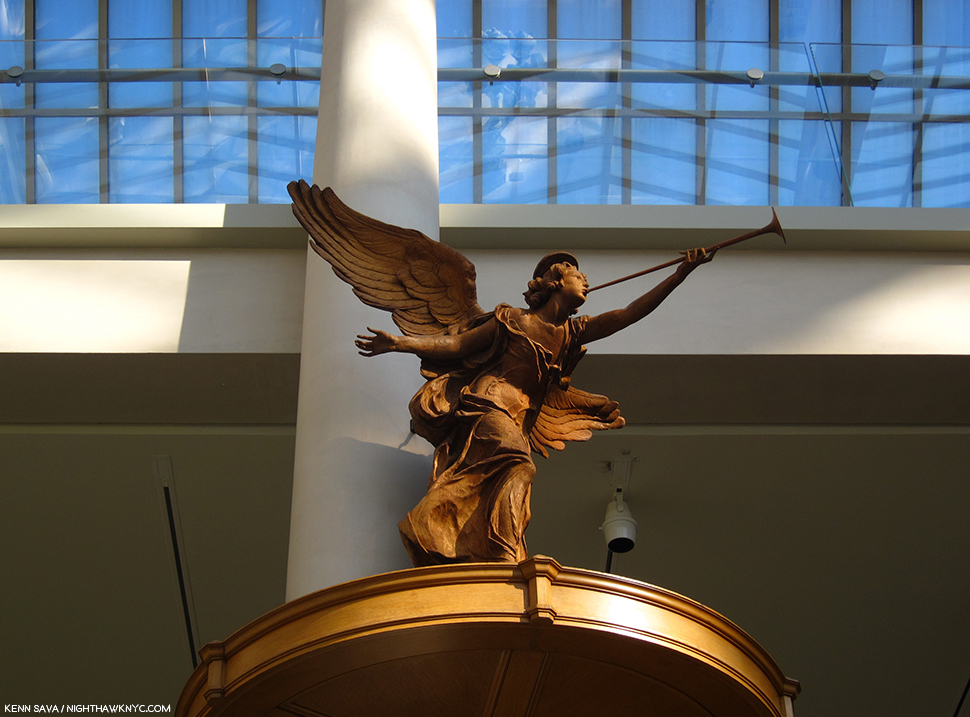
Hark! A Met Angel Beckons me to the Light. To not hear her call is my loss.

*-Soundtrack for this post is “The Shape Of Jazz To Come” by Ornette Coleman, 1959. I chose this to honor Ornette, who led us into many new frontiers of music, like TM has with Art, since he recently passed. He was exceedingly nice to me, a complete stranger to him, the one time I had the privilege of meeting him.

NighthawkNYC.com has been entirely self-funded & ad-free for over 8 years, during which 300 full-length pieces have been published! If you’ve found it worthwhile, PLEASE donate to allow me to continue below. Thank you, Kenn.

You can also support it by buying Art, Art & Photography books, and Music from my collection! Art & Books may be found here. Music here and here.

Written & photographed by Kenn Sava for nighthawknyc.com unless otherwise credited. To send comments, thoughts, feedback or propositions click here. Click the white box on the upper right for the archives or to search them. Subscribe to be notified of new Posts below. Your information will be used for no other purpose.
“Look around. Look at how lucky we are to be alive right now.”*

This site is Free & Ad-Free! If you find this piece worthwhile, please donate via PayPal to support it & independent Art writing. You can also support it by buying Art & books! Details at the end. Thank you.

Written  by Kenn Sava

“Hats off, Gentlemen…A Genius,” the composer Robert Schumann famously said after hearing Frederic Chopin for the first time.

A “Genius.”

In Chopin’s case? Schumann nailed it. More often? It’s a word that is savagely abused in most of the realms of life it’s used in. I HATE throwing that word around. Life has shown me that, unfortunately, there are very, very, VERY few geniuses. Personally, out of all the musicians I’ve known and worked with, all the artists and heck, the people I’ve known, only 3 were geniuses, I think, and one was my dad. Jaco Pastorius and Thomas Chapin were the other two. 1

Lin Manuel Miranda is someone I’ve never met, but I’ve had my ear on him since he stopped me cold when I first heard him perform at the White House Poetry Jam in 2009. I was tuned in to hear Esperanza Spalding, and then, out of the blue…WHAM!

WHO is Lin-Manuel Miranda??

Looking at his classic performance, again, I can see I wasn’t alone in being surprised and delighted. Over a million have watched it since. Accompanied only by a piano, it’s fresh, new, and brilliant on every level. In his introduction, Mr Miranda says that he “is working on a hip-hop album, a concept album about someone I think embodies hip-hop, Treasury Secretary Alexander Hamilton.”

Seriously? Alexander “Face-of-the-10-Dollar-Bill” Hamilton? The man who’s grave I’ve walked right past countless times Downtown at Trinity Church, and was right in the shadow of the World Trade Center? I’ve always respected him as much as any Founding Father, but, I admit, I didn’t know his whole story. Well? It turns out he lived Uptown- in Harlem. Who knew?

“Revolution’s happening in New York”*

Little did I suspect that 6 years later this “concept album” would be the phenomenon, Hamilton which is not only taking Broadway, (after opening at the Public Theater in February), by storm (It’s currently sold out for a year- if you hurry, you can get tickets for September 16, 2016, and take your chances Mr. Miranda will still be starring in it then), it has revolutionized music, theater and musical theater in the process. In spite of the fact that Mr. Miranda and his team had already won a Tony Award for Best Musical for “In The Heights,” I don’t think many saw this coming.

“History is happening in Manhattan
and we just happen to be
in the greatest city in the world.”*

True to history (being based on Ron Chernow’s biography of Hamilton), and full of fresh poetry that bursts with the cleverness of the finest hip-hop and wonderful songwriting, it’s both relatable and educational while bringing Hamilton’s story full force into the 21st Century. The shock of melding the life of a Founding Father from some 240 years ago with that most urban of contemporary music, hip-hop, is something that sounds like a recipe for disaster worthy of The Producers Bialystok & Bloom. That the results will win almost anyone over immediately is the secret of its charm, and belies one facet of Mr. Miranda’s talent- He’s a visionary who also happens to be one very talented writer, songwriter and performer. This vision has succeeded on Broadway, no less, and now? Hamilton is poised to be a cultural phenomenon the likes of which the theater hasn’t seen since “West Side Story.” It’s both a piece of American culture and American history, in more ways than one that results in an irresistible piece of Americana that I could see being produced all over the country, internationally, in schools, and eventually, on film. If you don’t know about it yet, you will. 60 Minutes just featured it. It’s the kind of work that not only pulls audiences out of their seats, it’s the kind that will inspire countless young people to act, sing, write, create, and maybe even get into politics. (Gulp.)

“Look at where you started
the fact that you’re alive is a miracle.”*

In September, Mr. Miranda was named a MacArthur Foundation fellow, receiving one of 24 “genius grants” for 2015. I’ve wondered about some of their choices in the past. I’ve wished they’d chosen up and coming talent who are in there fighting to survive and hold onto their integrity in the process. (I’ve been secretly voting for the brilliant pianist/composer Craig Taborn for the past 10 years. Check out his “Junk Magic.”) Mr. Miranda is 35, and he’s already “made it.” It’s terribly hard being an artist of any kind in this country, so far be it of me to have a problem with him getting some extra help. He’s “giving back”/donating part of his “genius grant” to Graham Windham, which helps children in need, and was founded by Hamilton’s wife, Elizabeth in 1806.

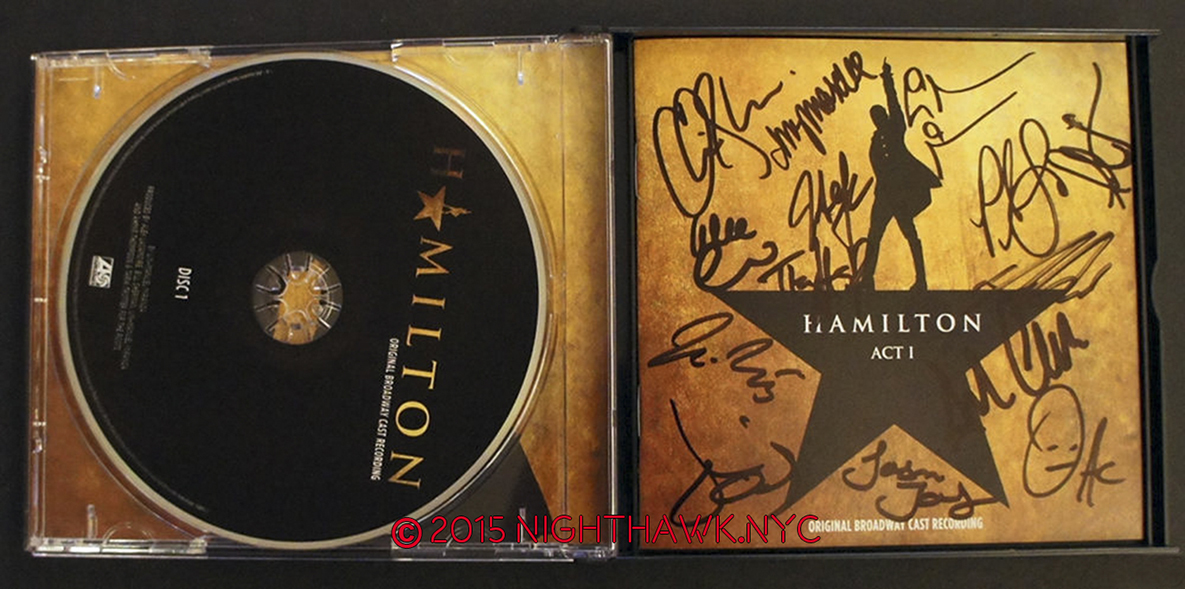
I’m not ready to call him a “genius” yet. If he keeps it up, he may prove himself to be one. But now? He’s got my full attention, and at the very least, I recommend you check out the Hamilton cast album, in lieu of paying a scalper $400. for the cheapest seats on Broadway.

Taking my own advice, but getting a cast signed copy. Well? It’s history, after all.

We could sure use someone to come along and be that “next one” after Sondheim to pick up the mantel and write great, creative musicals that take musical theater further, (with all due respect to Matt Stone & Trey Parker and Book of Mormon. It remains to be seen if that’s a one shot deal, or not). Maybe it will be Lin-Manuel Miranda. Right now, it’s important and groundbreaking that with Hamilton, he’s taking hip-hop somewhere it’s never been- into “legit” musical theater, and showing the world that it has arrived as a serious musical style in American (and world) culture, as well as broadening its possibilities.

“Who lives, who dies, who tells  your story”* (The closing words)

I can only imagine what Robert Schumann experienced when he heard Chopin, but he expressed it in words for the Ages. There can be no doubt that Alexander Hamilton could never have imagined it, but Mr. Miranda has now, finally, told his story for the Ages. For me, I rejoice in the fact that there are new artists making great work NOW- “geniuses,” or not, time will tell. This minute, as his song says, “How lucky we are to be alive right now.” In “The greatest City in the world.”*

That’s what matters.

*-Soundtrack for this post  “The Schuyler Sisters,” “That Would Be Enough”  and “Who Lives, Who Dies, Who Tells Your Story,” by Lin-Manuel Miranda from Hamilton.

This post is dedicated to Kitty, Jane, their Mom and Family.

NighthawkNYC.com has been entirely self-funded & ad-free for over 8 years, during which 300 full-length pieces have been published! If you’ve found it worthwhile, PLEASE donate to allow me to continue below. Thank you, Kenn.

You can also support it by buying Art, Art & Photography books, and Music from my collection! Art & Books may be found here. Music here and here.

Written & photographed by Kenn Sava for nighthawknyc.com unless otherwise credited. To send comments, thoughts, feedback or propositions click here. Click the white box on the upper right for the archives or to search them. Subscribe to be notified of new Posts below. Your information will be used for no other purpose.
  1. I called Wayne Shorter one, here, but I’ve never had the privilege of knowing him.

Robert Rauschenberg: Anagrams (A Pun)- But No Joke

This site is Free & Ad-Free! If you find this piece worthwhile, please donate via PayPal to support it & independent Art writing. You can also support it by buying Art & books! Details at the end. Thank you.

Written & Photographed by Kenn Sava

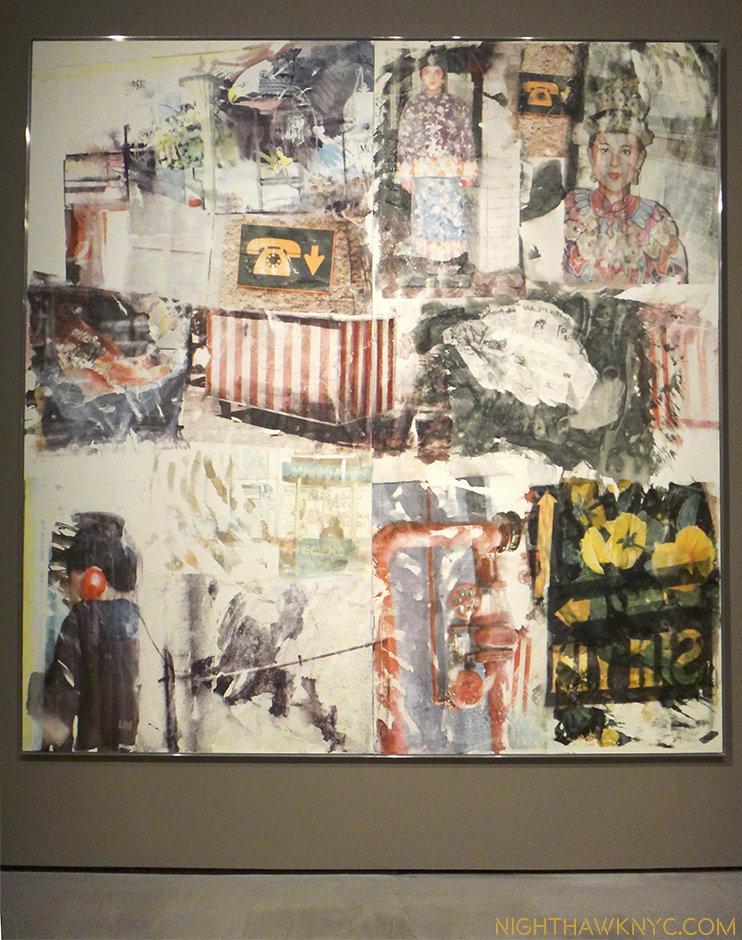
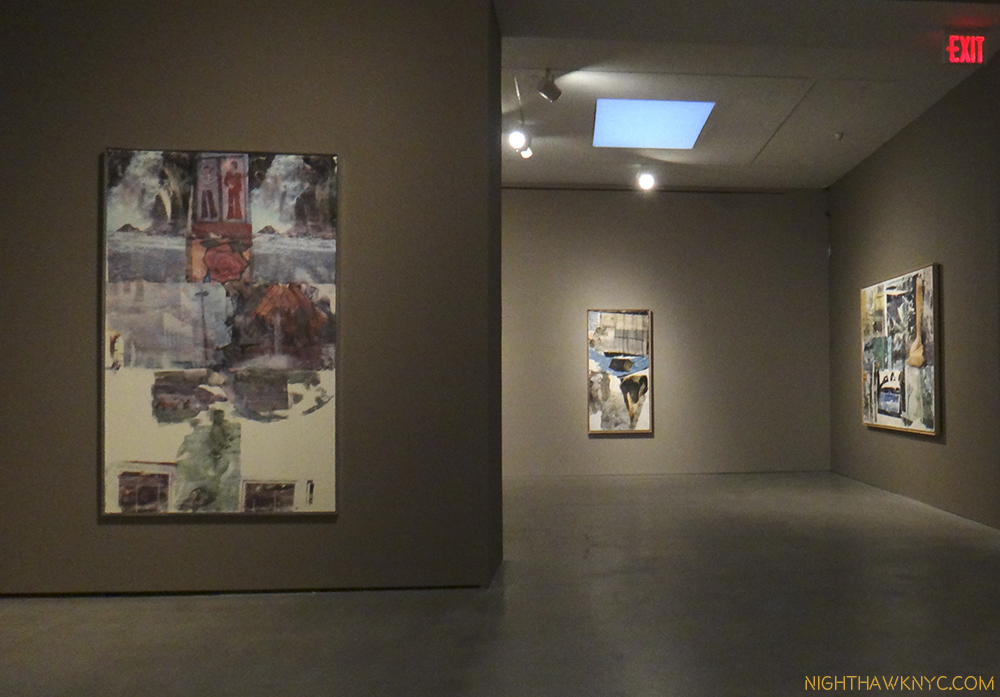
11 days after being here for the final day of the Chuck Close: Recent Works, I returned to Pace’s 534 West 25th Street Gallery to see Robert Rauschenberg: Anagrams, Arcadian Retreats, Anagrams (A Pun), on view until January 16, 2016. Up a few steps to the back office area where the show continues, a short video of Rauschenberg at work in on view. As the camera looks down from slightly above, I noticed that surrounding him all over his studio were numerous works consisting of seemingly chaotic collages of images. I couldn’t help wondering about the effect on a visitor’s brain of spending 8 hours in that studio, and what it would  feel like to then walk outside. I wondered what they said about the images playing inside of Rauschenberg’s mind all the time. Day in. Day out, for the 82 years he lived. It might be why there’s so much to see in even one of his works. This new show makes clear that it may be a long time yet until everything that brain, and he, created in his professional life from the 1950’s until he passed in 2008 is seen, fully appreciated and assimilated.

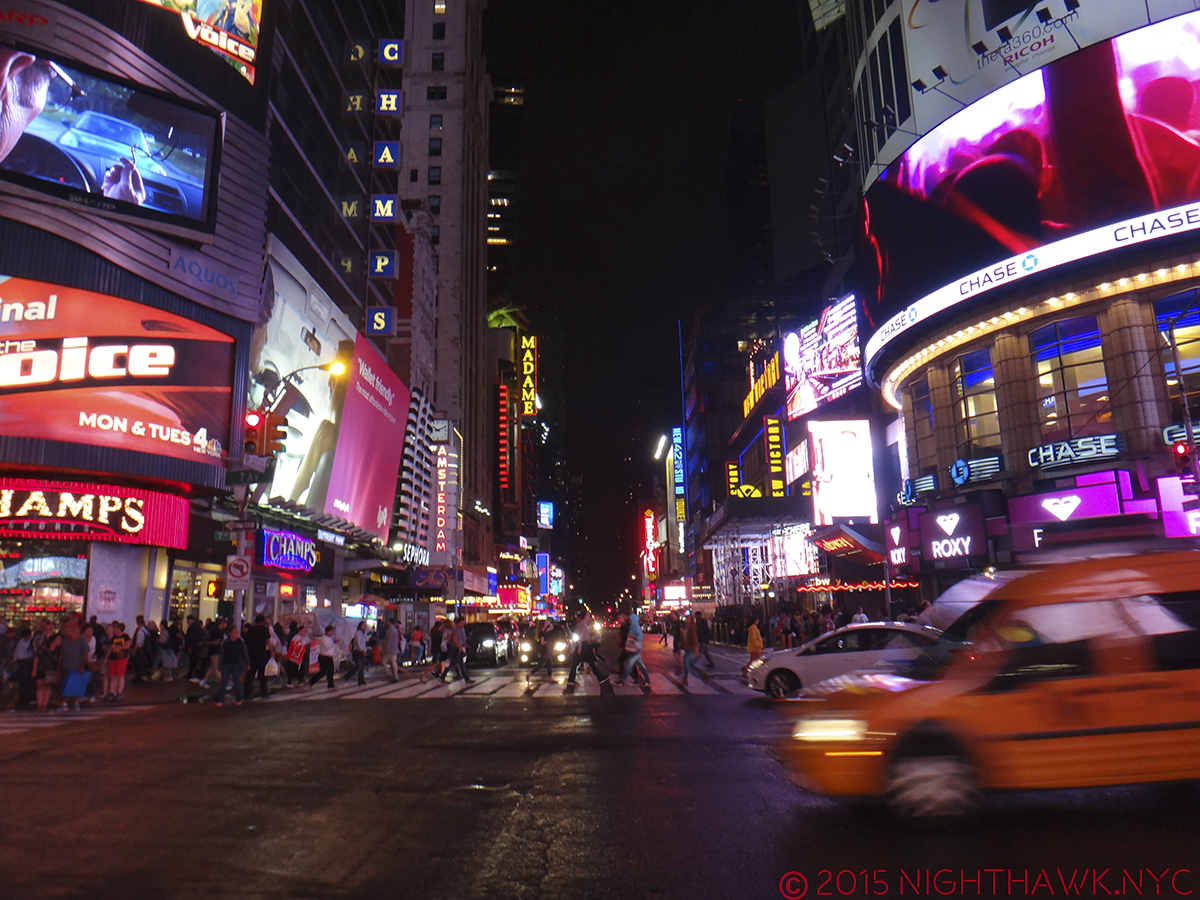
These works are dated 1996 and 97. Visually, his work presaged the visual chaos of the internet age, and the graphic print style of David Carson and others. Seen in 2015 it fits right in with the everyday chaos of NYC, both on the physical level, where pedestrians have to face a never ending life, death or injury battle with bikes, cars, buses, trucks and lord knows whatever else, simply to get from point A to point B, while being bombarded with every square inch plastered with ads, images or graffiti on the visual level.

The modern world makes me try to make sense out of its visual chaos- like Rauschenberg did so masterfully.

Visual chaos, 2015. Without the “Art.” By the way? Times Square was better before

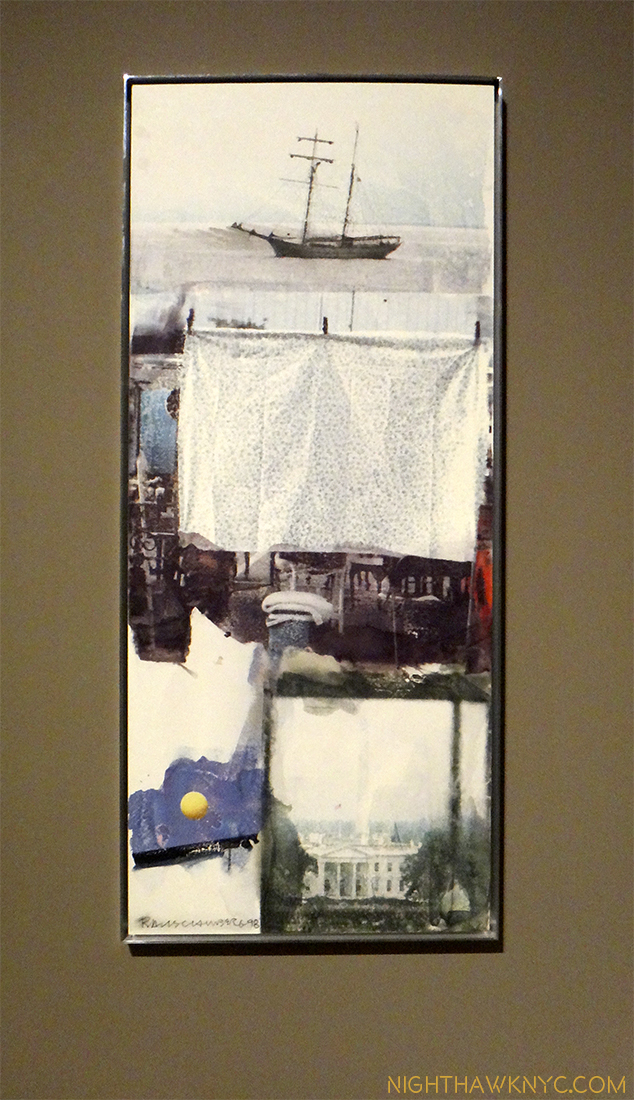
Anagrams, Arcadian Retreats, Anagrams (A Pun) is a bit different from any Rauschenberg show I’ve yet seen. It’s concise yet catholic, coherent and sharply focused on these three series of works, which share working methods, making it very hard to tell which work is from which series. As such, it’s a rare opportunity to see a selection of late works. Pace’s release states the images are from Rauschenberg’s own photos, which continues a trend in recent shows of artists using, or basing their work on their own photographs (Richard Estes, Chuck Close). Rauschenberg appears to have been at the forefront of image manipulation, made possible by software like Photoshop, while adding “painterly elements.” Regarding exactly what these pieces are and how they were made, Pace’s press release says- to create these works, “he developed and perfected a powerful new technique combing dye transfer with novel supports including plaster, large-scale paper and polylaminate panels…The process produced an aqueous and fluid appearance, blurring the crisp edges of his photographs…The inkjet dye process also liberated Rauschenberg from the mechanical production of printing screens, allowing him to produce sheets exclusively from his own photography on an in-studio printer. In addition to a more painterly effect, these works reflect a more nimble and freer approach to image-making than earlier works which were bound by the limitations of the mechanical process.”


It’s tempting to “read into” the resulting images, some of which are repeated verbatim in other works, and take them as a visual language, to be deciphered for “messages,” even hidden meanings. That will take a lot of looking to compile. Though “anagram” is a word about words, I don’t think I’ll be taking it that literally. I prefer to let the images speak, and this show is an orgy for the eye.

The works range from very large to large and a few of medium size. Two, including the largest, (one, I felt to be the most impactful piece in the show), are owned by the Whitney. Most of the others are not titled, detailed or described. Many feature images from different cultures around the world from the Sphinx and the Pyramids to traditional costumes, apparently from trips he had taken shortly before, which are juxtaposed with images from the western world, like construction equipment, firefighters, store fronts, junked cars, bicycles and soda bottles. Despite being combined, layered, even processed, the results don’t look like images produced in Photoshop. They look more like paintings, which I find somewhat remarkable, probably because I am so used to seeing Photoshopped Photographs. While he anticipated digital image processing and manipulation in works gong back to the late 1950’s, he continued doing things entirely his own way, and only selectively using technology when it suited his aims.

I previously saw some works from these series in the 1977 Guggenheim Rauschenberg Retrospective, but these were new to me. Seeing only works from these series brought home how wonderful they are. They’re different from what he had done earlier in his career, yet they have that undeniable “Rauschenberg” feel. In spite of being Photo based, they retain a “painterly” look, which I think is remarkable, and one of the things that sets his work apart from all those doing these types of works today. For me, Rauschenberg is kind of an American Picasso of the 2nd half of the 20th Century- his creativity and inventiveness knew no bounds. Like Picasso, he never stopped innovating and trying new things and techniques. Even 7 years after his passing, we continue to discover new facets of this work, which seems as fresh and contemporary as anything else around today. That will, no doubt, continue at the first full scale retrospective of his work since the Guggenheim’s 1997 blockbuster to be held next year at the Tate Modern, London.

These are wonderful works that reward repeated looks from a period of the Artist’s career that strikes me as being under appreciated. They seem so of the moment, it’s hard to think they’re going on 20 years old. In that sense, like their creator, they are ahead of their time, even now. I’m continuing to try and get the modern world to look like a Rauschenberg to me, to make that kind of sense, possibly even find the “Art” in it…that is when I’m not dodging bikes, cars, and the rest to actually feel safe enough in it to look around. That danger is what’s missing in these Rauschenbergs. Probably because he seems to be focused on the bigger picture, the dangers of the modern world to ancient cultures and ancient creatures. Including man.

On a bigger scale, like that bike I don’t see coming the wrong way on a one way street, the modern world is obliterating all that came before.

DSC02584PNH

*-Soundtrack for this post is “Crosstown Traffic,” by Jimi Hendrix.

NighthawkNYC.com has been entirely self-funded & ad-free for over 8 years, during which 300 full-length pieces have been published! If you’ve found it worthwhile, PLEASE donate to allow me to continue below. Thank you, Kenn.

You can also support it by buying Art, Art & Photography books, and Music from my collection! Art & Books may be found here. Music here and here.

Written & photographed by Kenn Sava for nighthawknyc.com unless otherwise credited. To send comments, thoughts, feedback or propositions click here. Click the white box on the upper right for the archives or to search them. Subscribe to be notified of new Posts below. Your information will be used for no other purpose.
Picasso Sculpts The Next Dimension

This site is Free & Ad-Free! If you find this piece worthwhile, please donate via PayPal to support it & independent Art writing. You can also support it by buying Art & books! Details at the end. Thank you.

Written & Photographed by Kenn Sava (*- unless otherwise credited)

In the summer of 1980 I made 2 trips to New York specifically to see the Picasso Retrospective at Moma. Consisting of over 350 works (including the masterpiece “Guernica” in its farewell before being returned to Spain as Picasso requested in his will), it filled the entire building. I remember walking around the show in a daze. After the first floor, my brain had glossed over the way it does during mind-blowing sex. I staggered back out into the sunlight utterly overwhelmed…

Here it ALL was. ALL of what “Modern Art” was, and is. What else did you need to see?

Being a working musician at the time, I didn’t give any thought to what it must have been like to have been an artist seeing it. It must have felt like I did the first time I heard Jaco Pastorius a few years before. As a bassist, I almost threw my Rickenbacker 4001 electric bass into Miami’s Biscayne Bay that night (for real)- there was almost nothing left to play on the bass. I sold my Rick and started playing the upright bass, double bass or bass violin as it’s variously known. Can you imagine being an artist and seeing this show? You must have left it feeling like I did after hearing Jaco-

“Now what? What’s left to do that he didn’t do?”

I was reminded of all of this while attending another Picasso blockbuster show at Moma today, 35 years after that one- Picasso Sculpture.

IMG_2666PNH

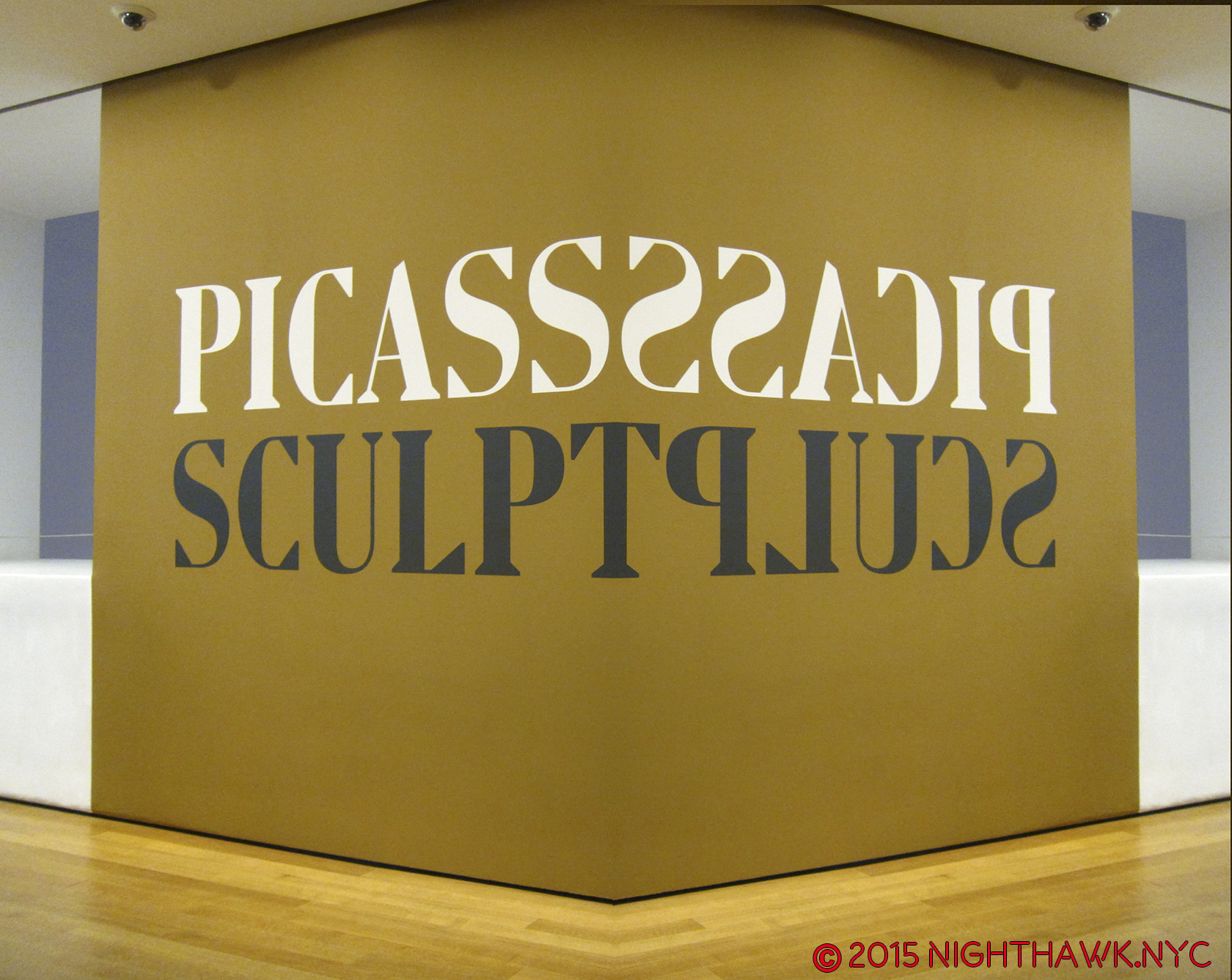
“Do not attempt to adjust the horizontal…the vertical…” or, your Absinthe Spoon.

Like many artists in all realms of the arts, and many “other” people (I’ll be there, too), Picasso may not be high on the list awaiting canonization as a saint. Yet, as an artist, his legacy is likely to astound and influence artists and art lovers alike for centuries to come. Had he “only” been a sculptor people would be talking about him being among the greatest, both in terms of his work and how many unique styles he invented or co-invented.

Hmmm…kinda like that Spanish painter. What’s his name? Oh yeah. Picasso.

It’s the name that stands like the gigantic monolith in “2001” in the middle of the road to the future of art, where everything that is or will be is built on the shoulders of what was.

IMG_2666P2NH

“Open the Pod Bay Doors, Pablo Ruiz.”

I feel for the artists of today, or tomorrow, who’s life and work lie along that road. What’s left? Indeed.

Even only viewing his work in one medium (if you can call it one)- sculpture, his achievement is almost beyond comparison. Amazingly, though his dad was an artist (a painter) AND an art teacher, Picasso had no training in sculpture. Perhaps this is why, after he found his footing in it, his work quickly achieved a freedom that had never been seen before. He had nothing to “unlearn.”

Then, he began his journey towards freeing his vision. That is what we see here.

Whether working in “traditional” materials (especially bronze- more on that in a moment), or using things that had never been used in sculpture before, what’s now called “found” materials, his endless creativity, often in this show in interpreting the human form, astounds. In spite of the fact that there may be more monographs on Picasso than any other artist of the 20th Century much of what’s on view was new to my eye. Unlike any art monograph yet published (Coco Rocha’s app “Study of Pose” possibly excepted), you can get a full 360 degree view by walking around almost all of the pieces on display on Moma’s 5th Floor. As much as anything else it is, sculpture is a 360 degree medium.

Scale makes no difference to the impact these works have, either. Some are a few inches tall, moquettes (models) for what became very large/monumental public sculptures, like the one in the Daley Center, Chicago. Thought startlingly tiny for those who have seen the monumental versions, they have a different effect, yet one that is every bit as compelling. They reminded me of the amazing show of Bernini’s original small clay models of many of his monumental masterpieces at TM a couple years ago. Like architects creating architectural models (and there happens to be an interesting show of them on the 2nd Floor in the drawings galleries), Picasso, also, proves to be a master of scale.

What would Michelangelo think?

The first thing Picasso changed was the definition of the word “sculpture.” Truth be told, a number of these pieces are not “sculpture,” in the traditional sense. Some are collages (an art form he co-invented), multi-media works, a few are constructions, plastic arts, and yes, some are traditional sculptures. But, as they are 3 dimensional works, they are being called sculpture under a broader than traditional definition.

IMG_2666PNH3

Click, to enter another dimension.

The second thing he changed was the materials that could be used (including every day things like gloves, sand, upholstery fringe, absinthe spoons, nails, tin plate, and wire – all by 1930).

Most compelling for me among the traditional materials were the bronzes Picasso made while living in Paris during the Nazi occupation. They constricted bronze to military use only, but Picasso brazenly managed to get enough of it to  continue to work in it during the occupation. He, and his collaborators, no doubt risked death making these works in, of course, a style of art the Nazis had already branded “degenerate.” For me, the examples displayed are among the highlights of the show. (Since my posts to this point have been about shows that have ended, or were about to, and this one recently opened and runs until February 7, 2016, I’m not posting pics of the work to allow you to see it for yourself, which you should. Photos are allowed, and I’ll probably post some later.)

But, of course, the changes Picasso made didn’t end there. His creativity knew no bounds, and no one “style” could hold him for long.

IMG_2666PNH4


Cubism, which he co-founded, the style of painting that plays with dimensional perception, in 2 dimensions, has to rely on different techniques as sculpture. This may be why this section of the show is more interesting than it is filled with his best work. In the case of the work on view, it’s more an appendage to the paintings.

As we move to the next chronological gallery, it seems that as Picasso moved ahead from Cubism, he moved past dimension to dismantling the human body in ways no one- not even the surrealists had considered. In these works, starting with his wire figures, a whole nother world suddenly opens.

It’s as if Picasso had finally achieved the goal he was after when he (Braque, Gris and Leger) started Cubism- to achieve an entirely new way of seeing that existed beyond the 3 dimensions he was “bending” with Cubism, one that existed only in the dimension of his imagination.

After this breakthrough, Picasso was finally free. He then proceeded to dip in and out of the styles he had created, or elements of them, as parts of the larger language he had compiled over all these years by the time of his oft misunderstood later works, and often in the service of depicting his current muse in ways that only he could see her.

And then? We could, too.

IMG_2666P5

Soundtrack for this post- “Kind Of Blue” by Miles Davis- the whole album, released in August, 1959. I’ve often called Miles “the Picasso of Jazz.” The similarities in their careers, personalities, bodies of work are fascinating and compelling.

NighthawkNYC.com has been entirely self-funded & ad-free for over 8 years, during which 300 full-length pieces have been published! If you’ve found it worthwhile, PLEASE donate to allow me to continue below. Thank you, Kenn.

You can also support it by buying Art, Art & Photography books, and Music from my collection! Art & Books may be found here. Music here and here.

Written & photographed by Kenn Sava for nighthawknyc.com unless otherwise credited. To send comments, thoughts, feedback or propositions click here. Click the white box on the upper right for the archives or to search them. Subscribe to be notified of new Posts below. Your information will be used for no other purpose.
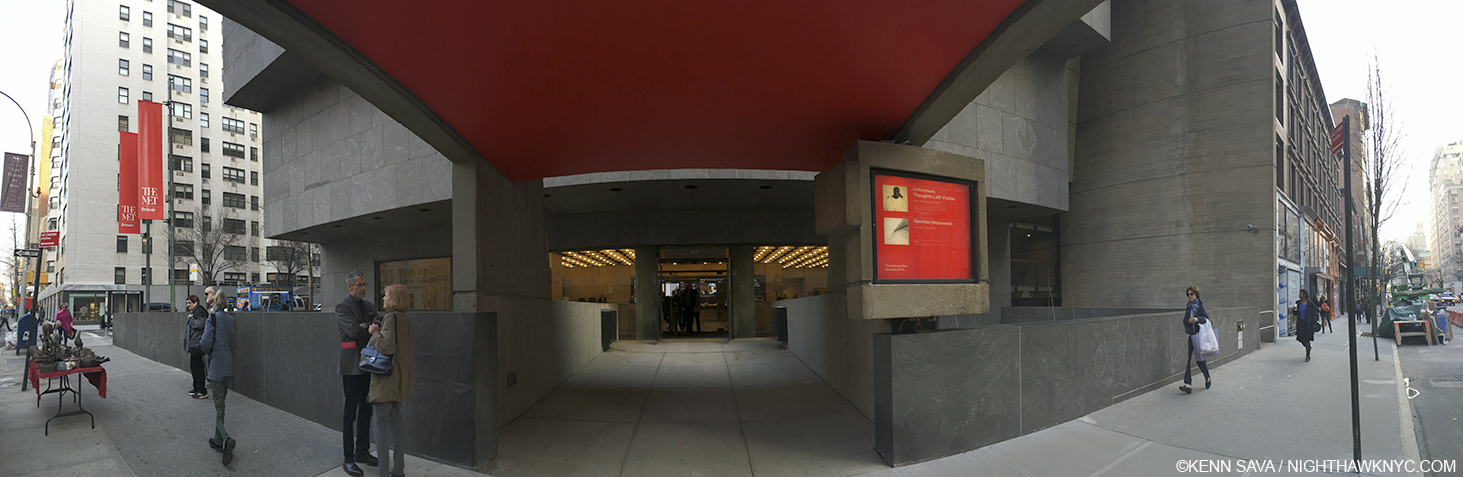
Metropolitan Museum of Art Named World’s Top Museum…

This site is Free & Ad-Free! If you find this piece worthwhile, please donate via PayPal to support it & independent Art writing. You can also support it by buying Art & books! Details at the end. Thank you.

Written & Photographed by Kenn Sava (*- unless otherwise credited)

in TripAdvisor.

Or? You could have just gotten that idea here, or here.

Here’s my bouquet as well.

*Soundtrack for this post- “You Are The Sunshine Of My Life” By Stevie Wonder. EMI Publishing.

NighthawkNYC.com has been entirely self-funded & ad-free for over 8 years, during which 300 full-length pieces have been published! If you’ve found it worthwhile, PLEASE donate to allow me to continue below. Thank you, Kenn.

You can also support it by buying Art, Art & Photography books, and Music from my collection! Art & Books may be found here. Music here and here.

Written & photographed by Kenn Sava for nighthawknyc.com unless otherwise credited. To send comments, thoughts, feedback or propositions click here. Click the white box on the upper right for the archives or to search them. Subscribe to be notified of new Posts below. Your information will be used for no other purpose.
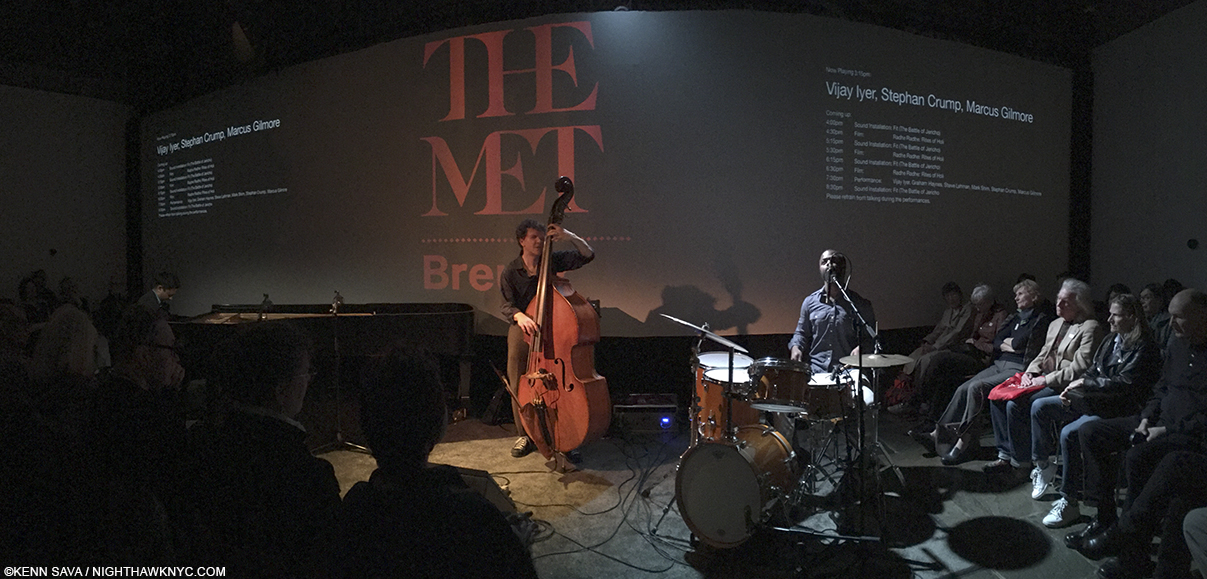
China: Through The Looking Glass…That Looks Back

This site is Free & Ad-Free! If you find this piece worthwhile, please donate via PayPal to support it & independent Art writing. You can also support it by buying Art & books! Details at the end. Thank you.

Written & Photographed by Kenn Sava

China: Through The Looking Glass is finally over, and now I can look back on it. Extended an additional 3 weeks through Labor Day, it went out with a bang like those heard on Chinese New Year. Like New Year’s Eve, The Met was open until Midnight on Friday and Saturday, September 4 & 5. Of course, the Nighthawk was there. Of course, he had to mention to staff members what a great idea being open to Midnight was, one that should immediately be adopted 7/365! A bit to my surprise the show was quite crowded even late Saturday night. Maybe those visitors agree.

Chairman Mao & Chairman Andy


Yes, It’s a “hat.” Tie your shoes BEFORE putting it on! Extraordinary, and not by Stephen Jones.

The Perfume Gallery featured 2 unsynchronized video screens, behind a selection of antique bottles. that evoked the visual essence of fragrance.

What would Buddha think?

Wandering the galleries for the fifth and final time, I started to focus on the “other” big question, besides midnight hours for The Met- China: Through The Looking Glass drew about 814,000 visitors 1. The hugely popular Alexander McQueen: Savage Beauty drew 661,500 2. This show drew over 150,000 more!!! As I said, I’m not going to compare them. The McQueen had a shorter run, and The Met was only open 6 days a week back then.

The one and only Alexander McQueen back at The Met.

Still, no matter how you slice it, the turnout was was astounding and unexpected-

How to explain the overwhelming success of this show?

Before getting to that, since I am replacing my previous brief post about the show with this one, some overall thoughts. China: Through The Looking Glass (or, C:TTLG) was a winner on every count, one of the best big shows in NYC in 2015 (I’m not going to say, “the best.” Comparing Artists, Art, shows, Films, Music or anything creative, or athletes for that matter, serves no purpose.) C:TTLG was that rare spectacle that illuminates.


It casts light on how the west fantasizes China, Chinese fashion, and Chinese culture and Art (how it fantasizes Chinese women, briefly touched on through Anna May Wong, is too complex for this show, or any other), while showing us the difference between how western designers have mirrored Chinese fashion, out of context & tradition, of course, to suit their own purposes, and the possible influences of particular antique items, superbly selected and displayed, often side-by-side, using mirrors in differing ways as the show moves along.

“These Foolish Things (Remind Me Of You)…” plays as Anna May Wong looks down on the very gown she’s immortalizing.

On both sides of the mirror the colors will pop your eyes right out of your skull, a miraculous thing for very old garments, which hold every bit of their own no matter what they are shown with, even Alexander McQueen (represented by at least 4 ensembles I saw, and a pair of Chopines), and this impact was spectacularly enhanced by yet another ground breaking Costume Institute installation (something I’ve admired about every one of their shows I’ve seen) and every element of it- the mirrors, the “mood lighting,” the extensive use of music and video.

A close up of one of the countless mirrors on display, this one used to frame a brilliantly colored antique garment.

It seems they pulled out the stops this year, bringing no less than an internationally renown film maker in as Artistic director and bringing in the brilliant milliner Stephen Jones to created hundreds(?) of “hats,” which somehow managed to almost steal the show, an incredible achievement.

My hat is off to the endlessly creative Milliner Stephen Jones.

Though I am very queasy when it comes to “big names” from the world of commerce being on view in The Met, and there are many “big names” represented, just about everything on display deserved to be included. Well, it’s The Met. They have the best curators in the world, in my opinion. I expect nothing less.

I could have, however, done without the section on the development of the perfume “Opium,” which, yes, was also on sale in the gift shop for 92.00…dollars.

C:TTLG was the first collaboration between the Costume Institute and the Department of Asian Art, which celebrates it’s 100th Anniversary this year. Beyond the combination of both world-class collections, the pairing was most fortuitous for visitors to this largest show in Met history as even though it was spread out over 3 floors, the galleries happen to be located right on top of each other, making them easily accessible by centrally located stairs and elevators, something that was a problem for Costume Institute shows in the past.

Ok…so, about getting over 800,000 visitors….?

People want an experience these days, and C:TTLG was that. Walking into this show was a bit like going to a movie- most of the galleries are dark or darkened, which gives a “theater-like” experience. This was enhanced through the use of video screens playing excepts from films in many galleries (acclaimed Hong Kong filmmaker Wong Kar Wai, who I’m a big fan of, known for his “unique, highly stylized, emotionally resonant work” 3 was the show’s artistic director), the use of mirrors, and curated music set the mood in every gallery. The Costume Institute has been at the forefront of creating “experiences’ with their installations- unforgettably for “Alexander McQueen: Savage Beauty” and no less than “recreating” CBGB’s infamous bathroom for their “Punk” show. (Ok, they omitted the filth, but it’s something I STILL can’t believe I saw at The Met! I’ll always wonder what CB’s owner Hilly Krystal would have thought…)

_DSC9842PNH

“The Red Boudoir” as I call it.

Yet, there was almost no “sex appeal” to the antique garments on display. It made me wonder how China ever became the most populous country in history! In fact, the “Red Boudoir” as I came to call Gallery 218, featuring Valentino’s 2013 evening wear, (which he debuted in Beijing, and which was kept quite dark so as to play down the fact that the clothes are see-through), was the only instance of “sexy” even among the western pieces, save for a lone mini dress, by someone unknown- their name, on the outside of the case had worn off (something that needs to be fixed going forward, as does the fact that many of these glass case labels were almost impossible to read in the dark.) There was no Lady GaGa-type figure (who had been famously wearing McQueen’s now immortal “Armadillo” Shoes at the MTV VMA’s before AMcQ:SB, which took place only a year after his tragic death. There was no seeming cultural “tie in” at all to push the box office to record heights. Yes, it’s The Met. Yes, there is the more-famous-every-year Met Fashion Gala that kicks off the show each year, but that’s been going on for a long time now. Yes, there are more Chinese than anybody else, and there are many Chinese tourists here and many Chinese living in NYC. Yet, I think the result, in this case, was more than the sum of those parts.

Also, unlike most special exhibitions at The Met, and though the signs read to the contrary, photography WAS permitted! I think this was a very shrewd idea as it allowed for something perhaps better than word of mouth- “Word of Sight,” as I call it. This show is very hard to describe (as you can tell by reading this!), but easy to “get” by seeing a picture (hopefully), which equals 1,000 words as they say.

It also seems to me it’s the same forces at work that make a movie hugely successful. There are the initial batch of folks who go and have a look see after it opens. My guess is that many of them reacted like I did- “OMG! You HAVE to see this.” And so, others go, and it feeds on itself from there. The show was so big that many went back time and time again to see the rest of it, or to see parts of it again. I think the press, which was very positive as far as I heard (I don’t read reviews until I’ve made up my own mind), play a relatively minor role in drawing a crowd like this, especially after a show has been open for a while. The press reminds that it’s still open, but nothing more is generally written about it after their initial review. It also seemed that this show drew women in huge numbers, above and beyond what the “fashion” oriented shows I’ve seen at The Met or F.I.T’s Museum. I can’t remember seeing so many single women at a show. I also saw a lot of women with a male partner who looked hopelessly “Please, Dear God…Get me through this.” lost. And yes, there were tons of tourists. Overall, while though there were many, though not a predominance of, Asians, the crowd was extremely diverse in my visits, though lacking the very young. Interestingly, there was no fashion on display for babies or children, which is actually consistent with every Costume Institute show I’ve seen.

In the final analysis, since I knew nothing of “real” Chinese fashion going in, I was careful to be mindful of whether I was seeing something old or new. Though there weren’t as many antique Chinese pieces as I hoped, I came away having seen another concept of femininity. The shapes of the garments, especially, stood out to me and I was continually reminded of Scholars’ Rocks, (a few of which were on display in the Astor Court where John Galliano’s Chinese Opera pieces were on view in a section entitled “”Moon In The Water”), and sculpture. The effect of the design is almost architectural, ala Frank Gehry, who has been on my mind since the new Whitney Museum opened. (Perhaps you can guess why. If not, I’ll come clean soon.) Beyond shape and it’s effect on style, the colors of both the antique and modern clothes, both in numbers of and combinations of, were absolutely exhilarating, especially in the dark. The west has a problem with color, something that can be seen taken to it’s furthest extreme here in NYC. Color is so powerful that wearing it tends to make one stand out in a bad way here. People wonder what you’re about. But if EVERYONE is wearing color the effect must be completely different, unimaginable to my eyes- I’ve never seen it. Of course the antique clothes on display at C:TTLG were exclusively garments of the upper class, so it remains unknown to me what the “common” person wore, and if there was THAT much color in those garments. Probably not. But, I’m going to hold on to my fantasy about everyone wearing color regardless.

It also made me think about western painting, where only briefly has anything like this amount of color been seen. Van Gogh may be first to mind. Though he was so incredibly prolific- about 900 paintings, it’s often forgotten that he only painted for NINE YEARS (1881-1890), and his early years were characterized by dark brown earth tone works influenced by Millet. Seurat, who I consider a genius of color, died at 31, leaving, perhaps, Matisse and Monet as the longest standing masters of color in western art. Though surely all of the Impressionists were influenced by Asian art, it was primarily Japanese art, which was more known in the west at the time, Monet even building a “Japanese” style bridge in his incomparable Giverny garden. I digress.) The point is that the color will linger in my mind as much as the shapes.

Not sure why Mr. Jones chose the rabbit, but I love it.

I should also mention that the catalog for the show is an experience in itself. It’s exceptionally well done, even for The Met, and features stylized photos of the clothes by Platon as well as quite informative essays from the curators. Since these shows take so long to install, a feat unto itself in an open 7 days a week Museum like The Met, the clothes are photographed in a studio setting and not as they appear in the show. This is good, and not so good. The good is you get to see things like the back of Anna May Wong’s amazing Dragon dress (depicted above) in the book, one of the few dresses without a mirror allowing that view in the show, though you may miss the view of a piece you liked as it is in the show.

Alexander McQueen, again, and Stephen Jones, bid us farewell…until next time.

So, yes, the show does beg the inevitable big question- “Ok, Mr. Bolton (newly minted Head of the Costume Institute)…What’s NEXT?” My mind pondered something never mentioned anywhere in this show- what was worn UNDER? There was no “underwear.” No Stockings. No gloves, even. Then I thought- Perhaps THIS will be addressed in a future, no doubt, blockbuster show, “Underwear- Exposed!” You heard it here, first. Finally, at 11:45pm Saturday,  I started to wonder if C:TTLG begins a “worldwide fashion tour.” After all, The Met is, possibly, the world’s greatest repository of art from all cultures and all times- what would be more appropriate? Perhaps Africa is next, a subject that might very well draw as many, or maybe even more fashionistas to The Met.

?

In the meantime, if you were one of the 800 thousand, I wonder if it will effect your personal style, or, if you missed it, visit The Met’s website for the show, and stay tuned to see what’s next.

Oh, and, in the meantime, don’t use too much opium.

Soundtrack for this post- “These Foolish Things (Remind Me Of You)” written for Anna May Wong by Eric Maschwitz, who was in love with her, and as performed by Billie Holiday.

NighthawkNYC.com has been entirely self-funded & ad-free for over 8 years, during which 300 full-length pieces have been published! If you’ve found it worthwhile, PLEASE donate to allow me to continue below. Thank you, Kenn.

You can also support it by buying Art, Art & Photography books, and Music from my collection! Art & Books may be found here. Music here and here.

Written & photographed by Kenn Sava for nighthawknyc.com unless otherwise credited. To send comments, thoughts, feedback or propositions click here. Click the white box on the upper right for the archives or to search them. Subscribe to be notified of new Posts below. Your information will be used for no other purpose.
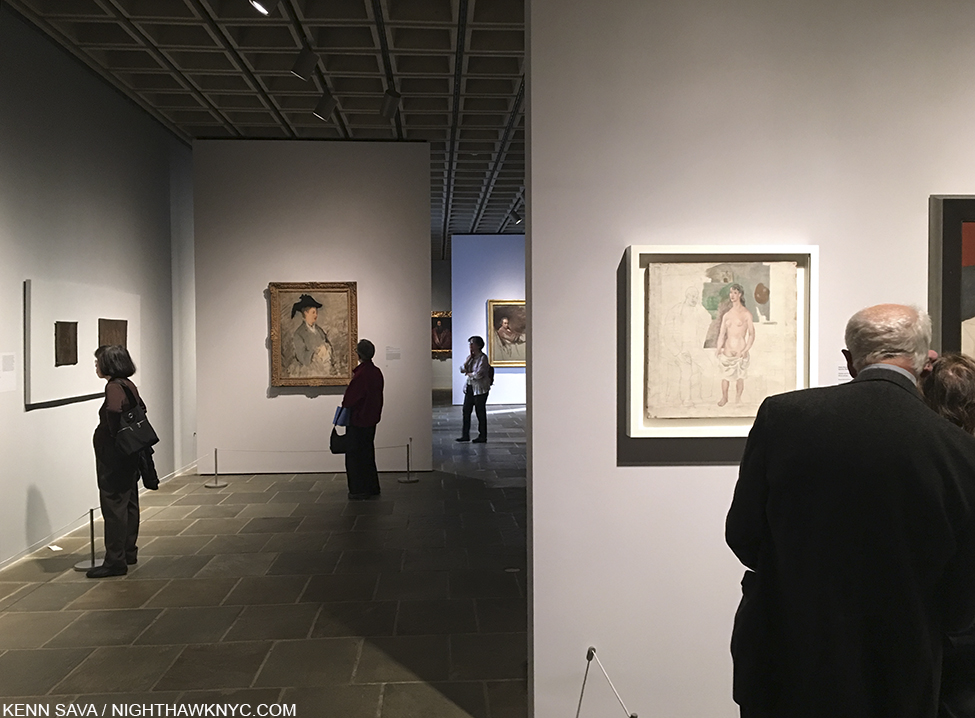
  1. http://www.nytimes.com/2015/09/09/arts/design/andrew-bolton-chosen-to-lead-the-mets-costume-institute.html?_r=1
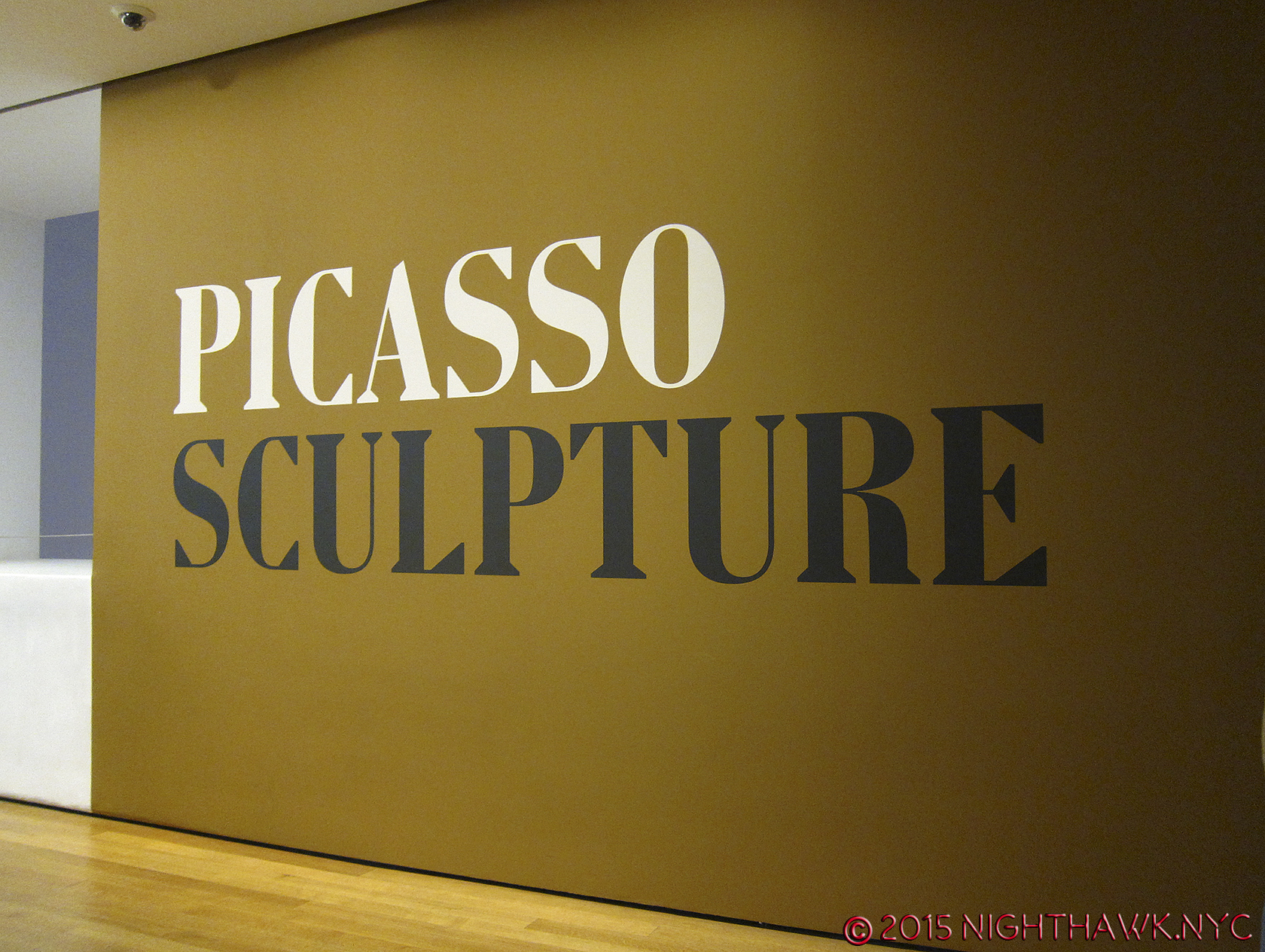
  2. http://www.nytimes.com/2015/08/30/fashion/nyc-museum-met-exhibition-china-and-fashion-proves-golden.html?_r=2
  3. imdb.com